
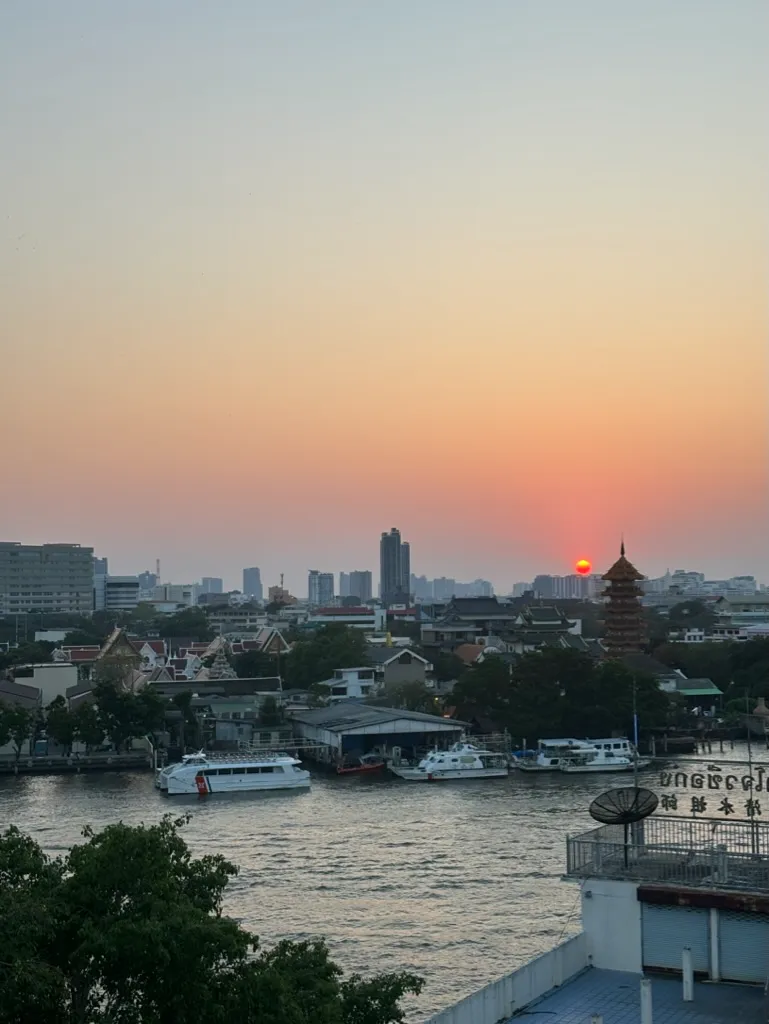
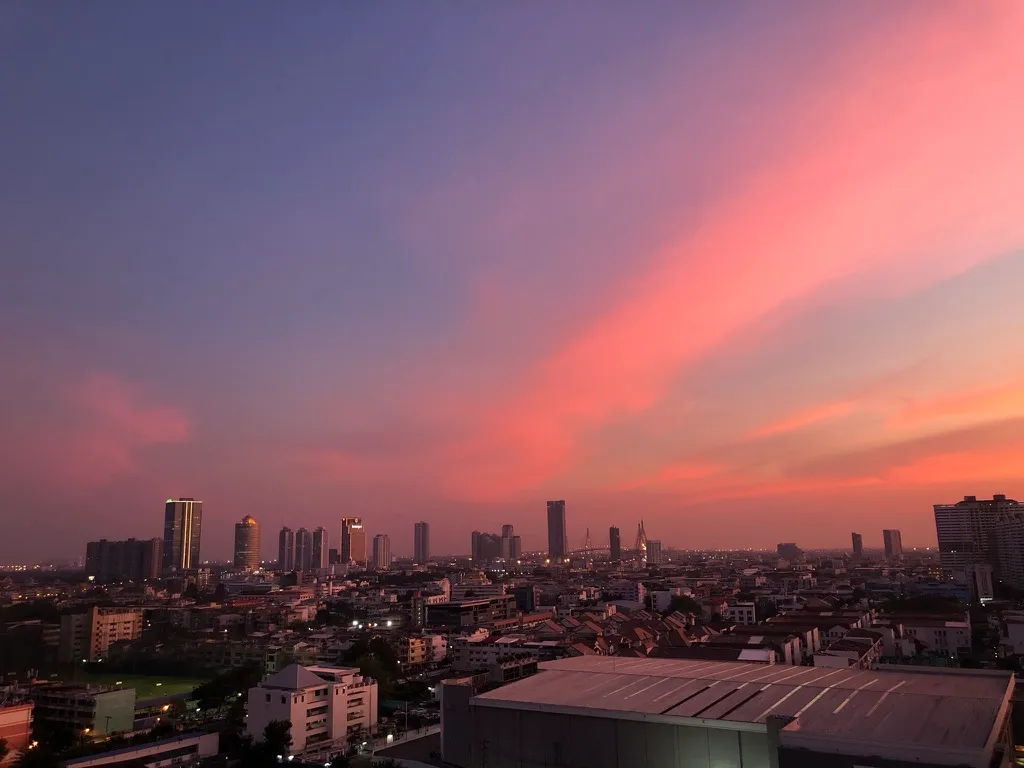
Bangkok is not one city. It is more accurately described as a collection of distinct urban villages, each with its own character, price point, transport connectivity, and social atmosphere. Choosing the right area is one of the most consequential decisions you will make when relocating here, and it is one that most guides handle poorly, either by listing every district without prioritising, or by repeating the same areas that appeared in blogs written a decade ago.
This guide is written by a team based in Bangkok that works with international residents navigating this decision regularly. We cover the areas that consistently deliver the best quality of life for foreign residents in 2026, with honest assessments of who each area suits and who it does not. Rent figures are approximate and based on early 2026 market rates.
Understanding Bangkok's Geography First
Bangkok sprawls across a large flat plain without the natural geography that gives many cities their structure. What gives it structure are two things: the BTS Skytrain and MRT underground network, and the Chao Phraya River.
Living within walking distance of a BTS or MRT station is not a preference. It is, for most expats, a practical necessity. Bangkok's road traffic is among the most severe of any city in the world. Areas without rail access can become functionally isolated during peak hours in a way that undermines daily quality of life significantly. The BTS Sukhumvit Line runs east-west through the heart of the expat-heavy eastern districts. The BTS Silom Line serves the financial and riverside districts to the south. The MRT Blue Line adds coverage across a broader area of the city.
The Chao Phraya River provides a different kind of structure: slower, more atmospheric, and significantly better connected in recent years thanks to the Gold Line BTS extension and the Chao Phraya Express Boat. Areas close to the river offer a different Bangkok experience: older architecture, a stronger sense of Thai cultural life, and generally lower rents than the Sukhumvit corridor.
Sukhumvit: The Expat Heartland
If you ask most long-term foreign residents where they live, the answer is some part of Sukhumvit. The road runs from BTS Asok in the west to the outer eastern suburbs, and the areas along it represent the broadest, most developed expat infrastructure in the city.
Lower Sukhumvit, Sois 1 to 25 (BTS Asok, Nana, Phrom Phong)
This is Bangkok's most internationally diverse area. Dense with international restaurants, supermarkets stocking familiar imports, language schools, medical clinics, and nightlife operating at every price point. For a first arrival in Bangkok, lower Sukhumvit offers maximum convenience while you find your feet.
It is also loud, congested at most hours, and particularly around Soi 11, far from the quiet residential experience some expats seek. Rents for a good one-bedroom apartment run approximately 25,000-45,000 THB per month at Phrom Phong; higher closer to Asok.
Best for: First arrivals, those prioritising convenience and social proximity, short-to-medium stays.
Thonglor and Ekkamai, Sois 55 and 63 (BTS Thong Lo, Ekkamai)
Thonglor is widely regarded as Bangkok's most liveable expat neighbourhood in 2026. It is where affluent Thai residents and the more design-conscious international community overlap, creating a genuinely mixed neighbourhood with excellent independent restaurants and coffee shops, well-maintained streets, and a calmer atmosphere than lower Sukhumvit despite being only three BTS stops east.
Rents here reflect the desirability. A quality one-bedroom apartment in a good Thonglor building runs approximately 35,000-60,000 THB per month; premium serviced residences push considerably higher. Ekkamai, one stop further east, is similar in character with a slightly lower price point and a stronger local Thai atmosphere alongside the international amenities.
Best for: Those wanting quality of life over maximum convenience, professionals, those staying long-term.
On Nut and Phra Khanong (BTS On Nut, Phra Khanong)
Further east along the BTS Sukhumvit line, On Nut and Phra Khanong represent genuine value without significant compromise in quality. Both areas have strong local fresh markets, good coffee culture, improving restaurant scenes, and rents approximately 30-40% below Thonglor for comparable space. The BTS journey into central Bangkok is 15-20 minutes and entirely comfortable.
A one-bedroom apartment of good quality in On Nut runs approximately 18,000-30,000 THB per month. These areas suit expats who are comfortable navigating the BTS, are not attached to the traditional expat heartland, and want more space for less money.
Best for: Budget-conscious expats, those relocating with families, those who prioritise space over proximity.
Silom and Sathorn: The Financial District
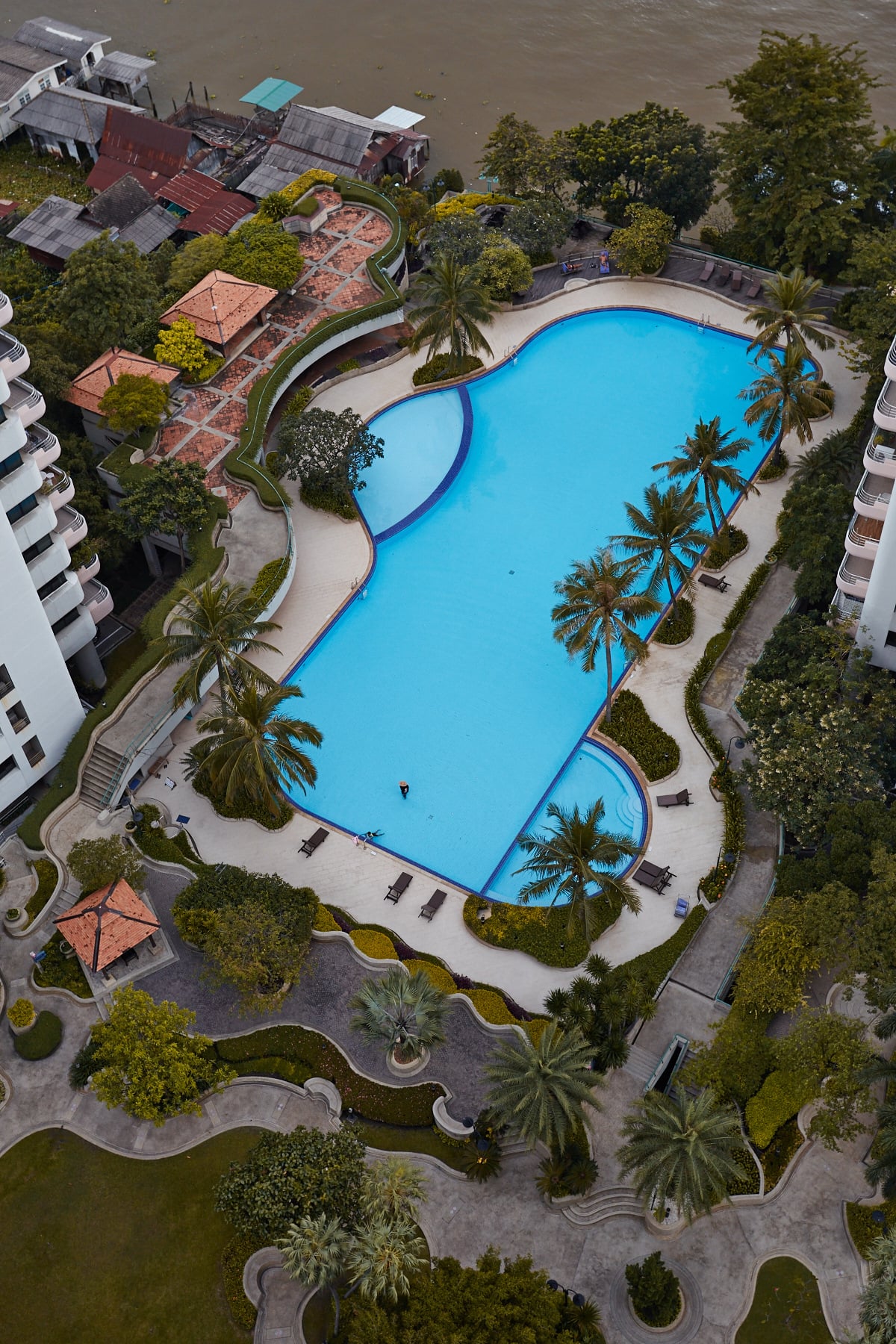
Silom and Sathorn form Bangkok's primary financial district and are home to a significant expat community, particularly professionals working in finance, law, and the corporate sector. The infrastructure is excellent, world-class hotels and restaurants are within walking distance, and Lumpini Park (Bangkok's largest green space at 57 hectares) is nearby.
The area has a polished, corporate atmosphere during the week and quietens noticeably on weekends. Rents in quality buildings are comparable to Thonglor, with the Chao Phraya riverside end of Sathorn commanding a premium for its atmosphere and architecture.
Best for: Professionals based in this area of the city for work, those who value proximity to Lumpini Park, those who prefer a more ordered, less tourist-facing environment.
Ari and Phahon Yothin: The Alternative Bangkok
North of the city centre along the BTS, Ari has developed a strong following among expats who want to live in a genuinely Thai neighbourhood while retaining good rail connectivity. The area is popular with creative professionals, younger expats, and those who find Sukhumvit too transactional. The weekend markets, independent coffee shops, and relaxed street atmosphere represent a side of Bangkok that most short-term visitors never encounter.
Rents are notably lower than central Sukhumvit for similar quality. A good one-bedroom runs approximately 15,000-25,000 THB per month. The BTS connects Ari to the city centre in around 15 minutes. The trade-off is a smaller international community, fewer expat-specific services (international supermarkets, foreign-language medical clinics), and greater reliance on Thai-language navigation for daily life.
Best for: Those who want authentic Bangkok, creative professionals, budget-conscious expats comfortable navigating in Thai.
The Riverside: Charoen Krung and Bang Rak
The areas along the Chao Phraya River, particularly Charoen Krung and Bang Rak, are experiencing a genuine cultural renaissance. International boutique hotels (Capella, Rosewood, Peninsula), serious restaurants, independent galleries, and a creative community are establishing themselves in century-old shophouses and renovated warehouses. The Gold Line BTS now connects Charoen Krung to the wider network, and the river express boat provides practical daily transport.
This is not the choice for those who want full expat convenience infrastructure. International supermarkets, dense expat social networks, and foreign-language medical services are less concentrated here. Rents can be surprisingly varied. Heritage-building flats are affordable, while new riverside developments command significant premiums.
Best for: Those who value Bangkok's history and character above convenience, those working in the creative or hospitality sectors, those willing to trade infrastructure for atmosphere.
Practical Considerations Before You Choose
- Healthcare proximity: If you have ongoing healthcare requirements, proximity to a major international hospital should be a primary factor. Bumrungrad International (Nana), Samitivej (Sukhumvit 49), and Bangkok Hospital (New Petchaburi Road) are the three most recommended for international residents.
- International schooling: If you have children, the proximity of your neighbourhood to Bangkok's international schools, most of which are clustered in the Thonglor to Bearing BTS corridor and in the Sathorn area, should factor into your location decision.
- Serviced vs. unfurnished: Bangkok has an excellent supply of serviced apartments, fully furnished, with utilities and weekly cleaning included. For arrivals on shorter commitments or those who want hassle-free setup, serviced apartments add significant value even at higher monthly rates.
- Visit before you commit: If possible, spend two to three nights in two different areas before deciding. Stay in serviced apartments or short-stay residences, not in hotels, which tend to be in tourist zones unrepresentative of residential life. That experience will tell you more than any guide.
Jenesis Extended Stays: Neighbourhood and Residence Consultation
Our extended-stays service includes neighbourhood consultation and residence sourcing. We know which buildings offer genuine quality at their price point, which landlords are reliable, and which areas will suit your specific lifestyle and working requirements. Bangkok is our city and we are glad to share what we know.
Ann Sitaporn
Founder & Travel Designer at Jenesis Travel
Bangkok-based, Ann designs bespoke Thailand journeys around the reason for travel. With first-hand knowledge of the hotels, guides, and operators in her network, she brings personal insight and local relationships to every itinerary.
@anitasitagalleryShare this
You May Also Enjoy

Ready to begin your Thailand journey?
Start Planning