Thailand Rainy Season: Where to Go Each Month
We explain Thailand rainy season patterns by region, with practical advice on beaches, boat trips, flexible itineraries, and what to pack.
- Written by
- Ann Sitaporn
- Published
- August 7, 2026
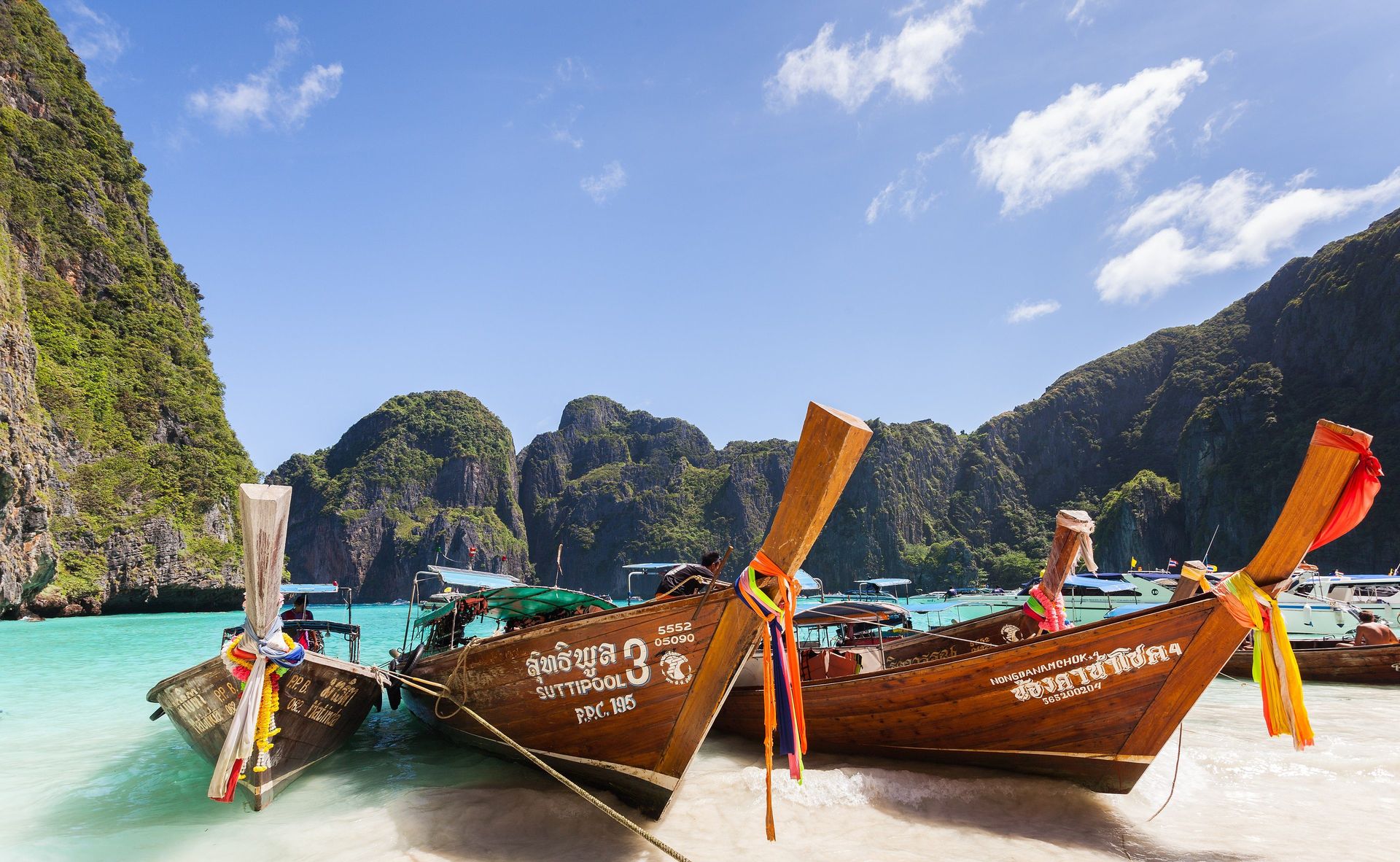
Thailand has a tropical climate with different regional monsoon calendars, so the rainy season doesn't follow one nationwide pattern. In Bangkok and northern Thailand, wetter conditions generally follow the Songkran festival and last through October. Koh Samui is typically wettest from October through December, while Phuket sees more rain from May through October.
For most travellers, rain means short, heavy bursts rather than gray skies all day, particularly in Bangkok. Conditions can still affect sea crossings, island transfers, and outdoor plans. If you're planning a 7-14 night private journey, flexible scheduling matters: a temple visit, beach day, or boat trip may need to move by a few hours, not disappear from the itinerary altogether.
As a Bangkok-based travel design company, we shape each route around your purpose, preferred pace, and comfort with changing conditions. Our 7-day Thailand travel itinerary guide offers a useful starting point, while the month-by-month guidance below will help you choose where to go.
Key Takeaways
- Thailand’s rainy season varies by region, so the best destination depends on your travel month.
- Phuket and Krabi are generally wettest from May to October, with challenging marine conditions affecting island trips.
- The gulf islands often offer better conditions from May to September, before wetter months arrive from October to December.
- Bangkok and the north are usually most affected between June and October, although showers often pass quickly.
- We recommend flexible itineraries, allowing outdoor plans and boat journeys to move when conditions change.
When Is Thailand's Rainy Season, and Which Regions Stay Drier?
Thailand's rainy season follows different calendars across the country. We look at each region separately when planning a private journey, because a wet month in Phuket can still be workable for Koh Samui.

What Is Bangkok Weather Like in Northern Thailand?
Bangkok weather and northern Thailand generally become wetter between May and October. Days remain hot, with high humidity and afternoon downpours often arriving in the evening. Monthly averages describe a pattern, not a promise, so local conditions can change quickly.
Intense storms can affect public transportation, road movement, and private transfers. Heavy rain may also cause localised street flooding and delays. Mornings can still work well for temples, markets, cultural visits, and guided sightseeing.
Northern conditions vary between Chiang Mai, Chiang Rai, and rural areas. A storm near Chiang Mai may leave another part of the region suitable for touring. The Thai Meteorological Department remains the best source for current conditions and warnings.
When Are Phuket and Krabi the Wettest?
Phuket and Krabi sit on Thailand's Andaman coast, where the southwest monsoon brings increasing rain from May. Rainfall often reaches its highest levels around September, although timing and intensity vary each year.
The practical effect matters more than the forecast alone. Rough seas can limit beach time, reduce visibility, and affect diving, snorkelling, yacht trips, and island excursions. We keep boat plans flexible and build alternatives into the route.
Conditions may begin improving by November and are typically more reliable from December through March, but no month guarantees calm seas every day.
Why Does Koh Phangan Follow a Different Rain Calendar?
Koh Samui and Koh Phangan can be relatively usable while Phuket and Krabi are in their wetter months, particularly between May and September. Their heaviest rain usually arrives later, from October through December, with November often the wettest month.
The Andaman calendar shouldn't be used to judge the islands in the Gulf. Each coast follows a different pattern, and current sea conditions still need checking before any boat journey.
Which Thailand Beach Destination Works Best During the Rainy Season?
There isn't one perfect beach destination throughout the rainy season. The Andaman coast and the Gulf islands follow different weather patterns, so your travel month matters as much as your preferred holiday style.

Phuket
Typical wetter months: May to October
Best fit: Resort stays, yacht charters, diving, island-hopping
Main weather concern: Rough seas and reduced visibility
Planning approach: Keep boat days flexible
Krabi
Typical wetter months: May to October
Best fit: Beaches, limestone scenery, private boat trips
Main weather concern: Canceled or changed excursions
Planning approach: Add land-based alternatives
Koh Samui
Typical wetter months: October to December
Best fit: Wellness, romance, families, resort time
Main weather concern: Late-year rainfall and ferry disruption
Planning approach: Check conditions before travelling
Koh Phangan
Typical wetter months: October to December
Best fit: Wellness retreats, relaxed beaches, island escapes
Main weather concern: Rough crossings and limited boat plans
Planning approach: Allow extra flexibility
When Should You Choose the Andaman Coast?
Phuket and Krabi are stronger choices for beach conditions between December and March. This overlaps with peak season, offering calmer seas and better visibility for yacht charters, snorkeling, diving, and island hopping. The shoulder seasons can also work, but conditions are less predictable.
During the rainy season, the southwest monsoon brings a greater chance of intense rainfall, rough crossings, reduced visibility, and changed boat trips. This monsoon season is often most unsettled in September and October, particularly in Phuket. We don't recommend building an itinerary around daily sea excursions during these months.
A private journey gives you room to change the rhythm. If the sea is unsuitable, we can replace a boat day with a spa treatment, Thai cooking experience, cultural visit, or time at your resort. For broader planning, our Thailand travel itinerary guide shows how flexible pacing can work across a multi-stop journey.
When Is Samui a Smarter Island Choice?
Samui and Koh Phangan can suit travellers visiting during much of the Andaman coast's wet period, particularly between May and September. The Gulf islands work well for resort stays, wellness trips, romantic escapes, and family holidays, although showers and wind can still affect boat plans.
These islands are less dependable during their own peak rainfall, usually October and November, with wet conditions often continuing into December. Check the weather forecast and ferry conditions close to departure, especially when your plans depend on fixed island connections.
How Can You Plan a Luxury Thailand Trip Around Rain?
Rainy season travel doesn't have to reduce the quality of a Thailand journey. It often changes the pace instead. We combine outdoor highlights with comfortable indoor experiences, allowing the day to move naturally when a shower arrives.
Which Experiences Still Work Well in Wet Weather?
Bangkok is particularly easy to enjoy in changing weather. Indoor museums, galleries, and other tourist attractions can replace outdoor visits without making the day feel like a compromise. Refined dining, Thai cooking lessons, wellness treatments, and craft workshops work well too, while heritage sites with covered areas are best scheduled earlier.

At beach resorts, a slower day can be just as appealing: a long breakfast, a premium spa treatment, a private meal, or time by the pool between showers. This rhythm suits honeymooners, couples, and families who don't want every hour planned around activities.
How Should You Manage Transfers, Boats, and Outdoor Plans?
In Bangkok, heavy rain can slow public transportation and private vehicles, especially when flash floods affect roads. Flights are usually less affected, but we still allow extra time for airport transfers and avoid connecting major movements too tightly.
Boats and ferry services are more sensitive to wind and sea conditions. We leave space between island transfers, avoid building several boat plans around one fixed day, and confirm marine excursions locally. The Thai Meteorological Department and local operators should guide the final decision, particularly when warnings mention strong winds, thunderstorms, or unsafe conditions for smaller boats.
Keep important celebrations, proposals, and destination wedding events away from the most weather-sensitive part of the itinerary when possible. A shower may move a plan by an hour. Flooding or dangerous marine conditions may require a complete change.
What Should You Pack for Thailand's Wetter Months?
Pack for heat and humidity as much as rain:
- Lightweight, breathable clothing and quick dry clothing.
- Comfortable shoes with reliable grip.
- A compact rain jacket or umbrella.
- Waterproof protection for phones, cameras, and travel documents.
- Mosquito repellent and a small day bag.
For luxury hotels and restaurants, a few polished, breathable outfits are better than an overfilled case. Choose fabrics that dry quickly, add one smart layer for air-conditioned interiors, and keep shoes practical enough for wet pavements.
What Are the Advantages and Trade-Offs of Travelling During the Rainy Season?
Thailand's rainy season can suit the right traveller very well. The advantages include a slower pace, lush scenery, fewer visitors at some attractions, and more time for food, culture, wellness, and hotel-based experiences. The trade-off is less certainty, particularly when your plans depend on the sea.
Who Is Likely to Enjoy a Rainy-Season Journey?
We find that the rainy season works best for travellers who value attentive service over a tightly packed schedule. Couples may enjoy long meals, private guiding, spa treatments, and time at a well-chosen hotel between showers. Families and small groups can also benefit, provided everyone understands that some outdoor plans may move by a few hours.

The season can bring fuller waterfalls, greener landscapes, atmospheric skies, and greater availability at some hotels and experiences. This green season also suits travellers who want meaningful contact with Thailand through cooking, craft, heritage, markets, and wellness.
Hotels and experiences may have more availability during the low tourist season than during peak season. Hotel deals can appear, but pricing and availability vary by property and dates.
Rainy-season travel is a better fit when the hotel, guide, food, and cultural experiences matter as much as the forecast.
A wedding, yacht-focused trip, or fixed outdoor celebration needs more care. We usually recommend a more weather-reliable period, or a region whose conditions better match the event. Flexibility matters more than chasing a guaranteed bargain. The same applies to a first-time overview built around several boat excursions and fixed connections.
What Mistakes Make Monsoon Travel Harder?
The most common mistake is assuming the whole country follows one weather pattern during monsoon season. Phuket and Krabi are generally wetter from May to October, while Koh Samui and nearby islands often experience their main wet period later, between October and December.
Other planning errors include:
- Booking every day around boats or ferries.
- Scheduling long road transfers immediately after intense showers.
- Treating a forecast made weeks ahead as certain.
- Packing only beach clothing and leaving out practical layers.
- Having no indoor alternatives for cultural visits, dining, or wellness.
A thoughtful route reduces stress without removing spontaneity. We leave space around marine journeys, avoid unnecessary same-day connections, and balance outdoor highlights with experiences that remain enjoyable in changing weather.
From the Ground
Rainfall totals only tell part of the story. On the ground, a Bangkok shower often clears within an hour; on the Andaman coast the same forecast can cancel a boat day. We choose the coast for the month you are travelling, not for a photograph taken in February.
We place rainy-season travellers in hotels with real indoor depth—spa, dining, pool gardens—so a wet afternoon is not a wasted day. We steer people away from itineraries that hang every highlight on ferries and open boats when seas are unreliable.
When a client insists on Phuket in August for snorkelling, we redraw: either shift to the Gulf, or keep Phuket for resort time and treat boat days as optional. That conversation is more useful than promising blue water that the monsoon will not deliver.
What Rainy Days Feel Like in Different Regions
Bangkok usually remains practical for sightseeing during wet months. Early mornings often offer a useful window for temples, markets, and walking tours, while afternoon or evening storms may bring traffic delays and localised flooding.
The north can feel greener and cooler after rain, especially around chiang mai. However, heavy rain may affect rural roads, waterfalls, and hiking routes. We keep outdoor visits flexible and avoid scheduling long transfers after severe weather.
The Andaman coast requires the most care when your trip centres on the sea. Phuket and Krabi can receive frequent rain, high humidity, and rougher marine conditions between May and October. A beach may still be attractive, but island hopping and crossings depend on the latest marine conditions.
How We Adjust a Private Journey
A well-planned itinerary needs room to breathe, especially when public transportation and road traffic become less predictable after storms. We may schedule a cultural experience in the morning, keep a spa or cooking lesson available for a wet afternoon, and place important boat journeys where they can move if conditions change.
The same approach works for honeymoons, family holidays, and celebrations. We protect the experiences that matter most, while keeping realistic alternatives ready. The aim isn't to remove all uncertainty. It's to make sure one storm doesn't define the journey.
How a Rainy-Season Journey Would Be Planned
Rain should be considered alongside the reason for your trip, not treated as a separate problem. We first ask whether you want rest, romance, family time, celebration, or discovery. Then we match the month, coast, pace, and hotel style to that purpose for a rainy season journey.
Starting With the Reason for Travel
A honeymoon may need a beautiful resort, private dining, and fewer sea-dependent excursions. A family holiday may benefit from spacious rooms, a reliable pool, and indoor activities between showers. Travellers drawn to lush landscapes may choose the green season, while cultural discovery can place more emphasis on Bangkok and the north.
We usually balance Bangkok, one northern destination, and one beach region across a 7 to 14-night journey. The route should feel varied, but not fragile. Too many domestic flights, road transfers, or ferry connections can make poor conditions more disruptive than necessary.

Building Flexibility Into the Route
The Thai Meteorological Department places the broad wet period between mid-May and mid-October, but local conditions vary. We compare seasonal patterns with the latest weather forecast before confirming weather-sensitive plans, especially for northern roads and sea excursions.
Outdoor experiences work best during the most flexible parts of the day, often earlier in the morning. We allow breathing room around private transfers, flights, and boat journeys. We also prepare thoughtful alternatives rather than generic indoor replacements. A cooking lesson, artisan visit, spa treatment, or private heritage experience should feel chosen for you, not added because of rain.
We select hotels with strong indoor amenities, comfortable common areas, good dining, and wellness facilities. Hotel deals can be appealing, but amenities and flexibility matter more than price alone. Every route is a starting conversation, not a fixed package. Our Bangkok-based team adds local judgment before and during the journey, adjusting plans when the weather, sea, or your energy suggests a better option.
Frequently Asked Questions
Thailand's rainy season is manageable when you plan around regional patterns rather than expect one national forecast. These practical travel tips address the questions we hear most often about timing, flexibility, and where to go.
Does It Rain All Day in Thailand During Monsoon Season?
Usually, no. Rain is often concentrated in short, heavy bursts, particularly in Bangkok and other mainland destinations, with clearer periods before or after the storm.
Some days are wetter and more disruptive, however. Intense rain can affect traffic, rural roads, ferry crossings, and outdoor visits. Conditions also vary by region and month, so we plan for change rather than promise constant rain or guaranteed sunshine.
Is September a Good Month to Visit Thailand?
September can work well for flexible trips focused on culture, food, wellness, and resort time. It is often one of the wetter months for Bangkok, Phuket, and Krabi, with a higher risk of intense showers, unsettled seas, and localised flooding during the rainy season.
The Thai Meteorological Department identifies August and September as Thailand's wetter period overall. Koh Samui and Koh Phangan may follow a different seasonal pattern, but we still check current forecasts and marine conditions before choosing the Gulf coast.
Which Thai Island Has the Best Weather in July?
There is no guaranteed winner, but Koh Samui and Koh Phangan often sit in a better seasonal position than Phuket and Krabi during July. Showers, wind, and unsettled water can still occur, particularly during active storms.
We recommend checking marine conditions before booking fixed boat plans. A promising island forecast doesn't remove the need for flexibility.
Can You Enjoy Beaches and Boat Trips During Thailand's Rainy Season?
Yes, but beach time and boat trips need different expectations. A beach may be enjoyable between showers, while wind, poor visibility, or rough seas can change plans, especially along the Andaman coast.
We keep island hopping flexible and prepare a strong land-based alternative, such as a cooking lesson, spa treatment, or cultural visit.
What Should You Check Before Leaving for Thailand?
Review the latest Thai Meteorological Department forecast, regional warnings, marine conditions, and the operating status of planned excursions. Pack mosquito repellent for evenings and outdoor activities.

A general annual weather chart gives useful context, but the current local weather forecast is more useful before departure and during the journey. The TMD's shipping forecast can identify thunderstorms and conditions that may affect smaller boats.
Conclusion
Planning for the Thailand rainy season starts with choosing the right coast. The Andaman coast, including Phuket and Krabi, is generally wetter from May through October. Islands in the Gulf often become wetter later, particularly from October through December. This regional choice is central to planning around the weather.
Rain doesn't have to make a private journey during the rainy season feel uncertain or compromised. Flexible timing, good hotels, and meaningful alternatives can keep each day calm, refined, and rewarding. We may move a boat trip, reorder a cultural visit, or create more time for wellness, food, and rest. The purpose of the journey remains the guide.
At Jenesis Travel, we begin with that purpose, whether it's rest, romance, family time, celebration, or discovery, then shape the route around it. That is how Thailand's changing weather becomes part of a well-organised journey, rather than the detail that defines it.
Related reading: best time to visit Thailand, Thailand weather by month, and how we plan a Thailand journey.

Founder & Travel Designer at Jenesis Travel
Bangkok-based, Ann designs bespoke Thailand journeys around the reason for travel. With first-hand knowledge of the hotels, guides, and operators in her network, she brings personal insight and local relationships to every itinerary.
@anitasitagallery