Best Time to Visit Thailand: A Month-by-Month Guide
Best time to visit Thailand depends on coast and pace. Our month-by-month guide covers weather, crowds and how we plan each season.
- Written by
- Ann Sitaporn
- Published
- July 29, 2026

Thailand doesn't have one reliable weather calendar. A January beach stay in Phuket can be beautifully dry, while Koh Samui may be having one of its wettest periods. That difference matters when you are planning a considered trip rather than simply booking flights and hoping for the best.
For most travellers, the best time to visit Thailand is November to February. Days are generally drier, temperatures are more manageable, and navigating the tropical climate becomes much easier without dealing with high humidity and constant downpours. The country works well during these months for a journey combining Bangkok, the north and the islands. Yet the right month depends on where you want to go, how you prefer to travel, and whether you would trade perfect beach weather for quieter hotels and more space.
Here is how Thailand feels through the year, and how we would shape each season around your plans.
Key Takeaways
- The best overall time to visit Thailand is between November and February, offering drier weather and comfortable temperatures for exploring cities, the north, and the Andaman coast.
- Thailand's weather varies significantly by region, with the west coast (Phuket) and east coast (Koh Samui) experiencing opposite peak weather patterns.
- March to May brings intense heat and the famous Songkran water festival in April, making it ideal for island time and pool-focused stays rather than long inland tours.
- The monsoon season from June to October shouldn't be dismissed; it features lush green landscapes, fewer crowds, and excellent conditions on the Gulf islands during the summer months.
Best Time to Visit Thailand at a Glance
Thailand has three broad seasons, including a cooler dry period, a hot season, and the monsoon season. The practical detail is that southern Thailand weather follows two different patterns. The west coast, including Phuket, Krabi, Koh Lanta and Khao Lak, is usually at its best between November and April. The east coast islands, including Koh Samui, Koh Phangan and Koh Tao, are often drier from February into September.
This overview gives you a useful starting point.
November to February
Typical Conditions: Drier, cooler, less humid
Best For: Touring, beaches, first visits
Considerations: Peak season demand and higher hotel rates
March to May
Typical Conditions: Hot, sunny, humid
Best For: Island time, Songkran, pool-focused stays
Considerations: Inland touring can feel demanding
June to August
Typical Conditions: Rain showers, warm temperatures
Best For: Families, quieter resorts, Gulf islands
Considerations: Rain can disrupt boat trips
September to October
Typical Conditions: Wettest period in many regions
Best For: Spa stays, flexible itineraries
Considerations: Andaman beaches are less dependable
The most effective Thailand itinerary doesn't chase a single national forecast. It puts the right coast, city and countryside stop in the right order.
For a first trip, we often favour Bangkok, Chiang Mai or Chiang Rai, then an Andaman beach stay between late November and April. It is a balanced route, rather than a race through the country.
Thailand Weather by Month
January: The Reliable All-Rounder
January is one of the strongest months for a first or second visit. Bangkok is still warm, though less oppressive than later in the year. Northern mornings can be cool enough for a light layer, particularly in the hills around Chiang Rai or Chiang Mai. The Andaman coast is usually in excellent form.
It is also one of the busiest periods. Premium beachfront villas, family suites, and smaller characterful hotels can book well ahead for the New Year period and school holidays. If privacy and a particular room category matter to you, early planning is non-negotiable to escape the peak tourist crowds.
January suits couples looking for a relaxed cultural and beach journey, as well as families travelling over the festive break. You can spend time at temples and markets without the punishing heat of April, then finish by the sea.
February: Dry Days and Warm Water
February remains an excellent answer to the question of when to go to Thailand. Much of the country is dry and warm, while Phuket weather is typically ideal with calm seas for island excursions. It is a particularly good month for combining Bangkok with Phuket, Krabi, or Khao Lak.
Northern Thailand needs a little more thought. Seasonal agricultural burning can affect air quality from around February onwards, with conditions varying considerably by location and year. We would not plan a hiking-led northern itinerary in this period without checking current conditions close to travel.
For beach-focused travellers, February has an easy rhythm. Breakfasts linger, sea days are dependable, and outdoor dinners are comfortable. Demand remains high, but it is often less frenetic than the Christmas and New Year peak.
March: Heat Arrives
March is when Thailand starts to feel properly hot. Beach resorts remain appealing, especially on the Andaman coast, but long urban walks and full-day temple visits need a more sensible pace. Early starts, an air-conditioned lunch break, and a late-afternoon activity work far better than packing every hour.
For travellers who value warm seas and quieter beaches, March can be a strong choice. We would keep Bangkok to two or three well-paced nights, then move south. A private long-tail boat or yacht day can be far more comfortable than joining a busy shared excursion during the hottest part of the day.
March can also be a good month for a 7-day Thailand itinerary where each stop has enough time to breathe. With a shorter trip, you do not need to cover the whole country to feel you have seen it properly.
April: Songkran and Serious Heat
April is usually the hottest month. Temperatures inland can feel intense, particularly in Bangkok, Ayutthaya, and the north, accompanied by high humidity. If your priority is museums, heritage sites, and long days outdoors, another month will be more comfortable.
That said, April brings the Songkran Festival, Thailand's New Year celebration. Between 13 and 15 April, water throwing takes over streets across the country, though festivities and local arrangements can extend beyond those dates. It is joyful, sociable, and completely unlike a conventional city break.
The experience needs to match your expectations. Families with younger children may enjoy a hotel-based version of the celebrations, with the option to step in and out. Couples seeking calm should choose their locations carefully and arrange transport with flexibility. Beach time, spa treatments, and late lunches are sensible ways to structure an April holiday.
May: The First Shift in the Weather
May is a transition month. It is still hot, but rain begins to arrive in much of Thailand as the monsoon season sets in. Showers can be short and dramatic, often clearing for a bright evening. They can also be prolonged, so this is not the month for a rigid outdoor schedule.
On the Andaman side, shifting conditions start to influence sea availability. Boat trips may be cancelled at short notice, and some smaller island properties reduce operations. Koh Samui and the wider Gulf coast can be a better beach choice at this point.
May works well for travellers who want value without sacrificing quality. Hotels may offer attractive hotel deals, and popular places feel less crowded. We would build in generous hotel time, choose properties with excellent restaurants and indoor spaces, and avoid moving every two nights.
June: A Softer, Quieter Summer
June is often misunderstood. It is the rainy season across much of the country, but that doesn't mean uninterrupted rain. Many days have sunshine around a concentrated afternoon shower. The countryside is green, rivers are fuller, and the pace is noticeably calmer than in January.
For a summer holiday, the Gulf coast often has better prospects than Phuket or Krabi. Koh Samui can work particularly well for families who want spacious villas, gentle beach days, and a resort that offers enough to do if the weather turns.
Bangkok remains hot and humid. It is best enjoyed through food, design, river travel, galleries, and carefully timed cultural visits. A private guide changes the experience here, because you can adjust the day when a storm rolls in rather than waiting at an exposed site.
July and August: School Holiday Planning
July and August are popular with British and European families looking to escape the heaviest tourist crowds, and for good reason. Thailand offers warm weather, excellent service, engaging culture, and a wide choice of family-friendly resorts. The trade-off is weather risk, particularly on the Andaman coast.
The Gulf islands generally make more sense during this period. Koh Samui is the straightforward choice for a polished resort stay, while Koh Phangan can suit travellers seeking a quieter, more natural setting away from its Full Moon Party areas. Koh Tao is better suited to confident swimmers and guests who do not mind a more casual island atmosphere.

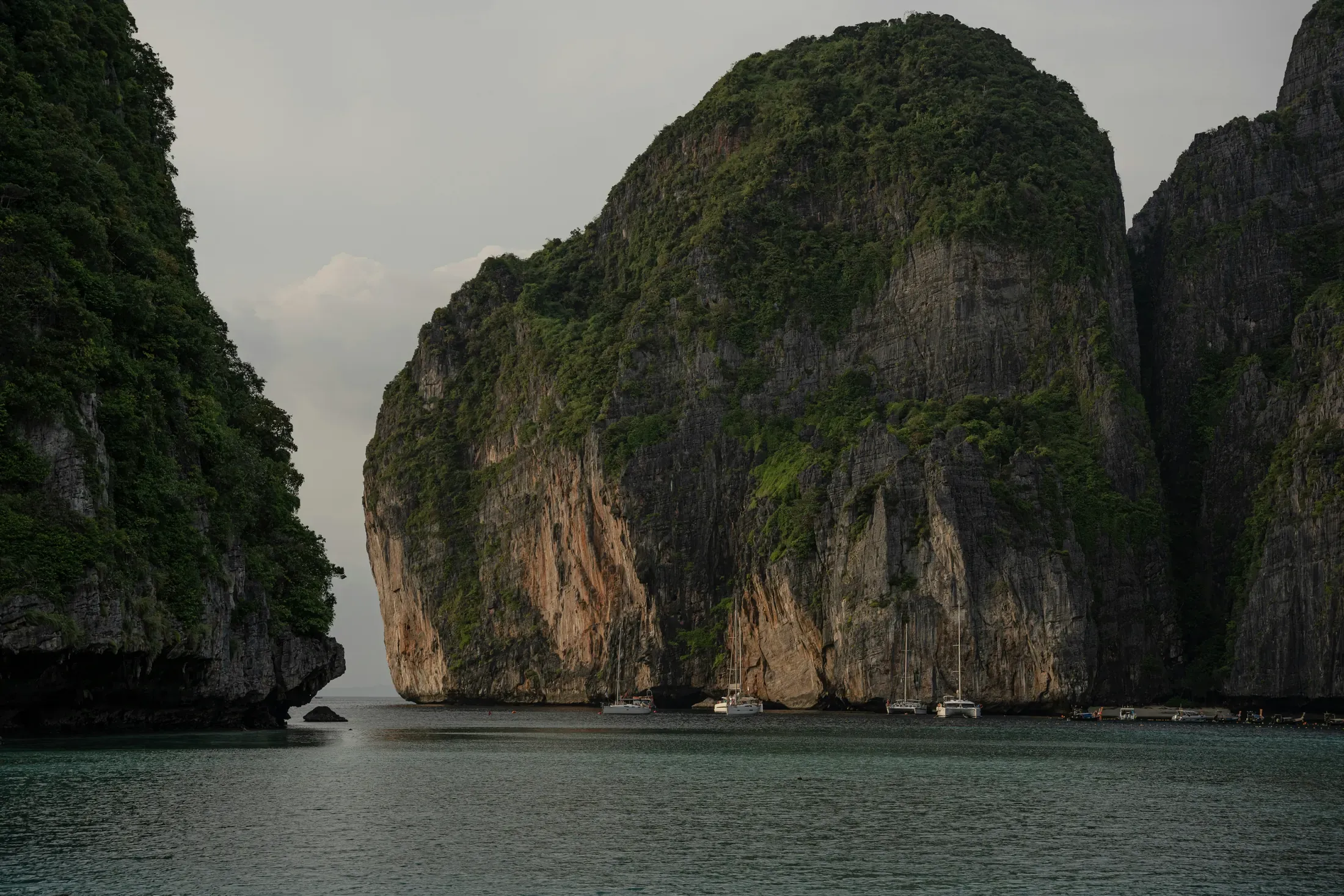
Photo by Alberto Capparelli
July also brings Buddhist holidays, with dates changing each year according to the lunar calendar. Alcohol sales restrictions may apply around major religious observances, so private celebrations and restaurant plans should be checked in advance.
August often brings heavy tropical rain to Bangkok and northern Thailand, marking a distinct phase of the rainy season, but it can still be a rewarding time for families who value a slower programme. A few nights in Bangkok, a private cultural experience in Chiang Mai, then a well-chosen Gulf resort is usually a more realistic plan than trying to cover every region.
September and October: The Wettest Months
September is commonly one of the wettest months in Thailand, marking the height of the rainy season. The Andaman coast experiences its least predictable conditions, and Phuket weather can make sea crossings uncomfortable or cancelled. It is not the month we would choose for a Phuket and island-hopping holiday if beach time is central to the trip.
It can, however, suit a different kind of stay. Bangkok's best hotels, destination spas, cooking programmes and wellness retreats are not dependent on perfect weather. There is pleasure in a long lunch as rain hits the river, or an unhurried afternoon in a spa rather than a rushed sightseeing schedule.
October remains wet in many areas during the rainy season, although northern Thailand begins to cool towards the end of the month. It is a genuine Thailand shoulder season where visitors can easily find appealing hotel deals. Hotel availability improves, landscapes are lush, and routes can feel more private. The practical consideration is flexibility: use road transfers where possible, leave space between flights and boats, and do not build the trip around daily sunshine.
For reliable month-by-month context, Selective Asia's Thailand climate guide is useful, particularly for its distinction between the Andaman and Gulf coasts.
November and December: The Dry Season Returns
November is a turning point for much of Thailand as the dry season finally begins across central regions and the north. The rain eases in Bangkok, central Thailand, and the north, while the Andaman coast begins its strongest beach season. It is a superb month for a journey that includes cultural touring and a resort finish in Phuket, Krabi, Khao Lak, or Koh Lanta.
There is one important exception: Koh Samui and the Gulf coast can be very wet in November. If you are travelling then, we would generally direct a beach stay west, not east.
Loi Krathong, usually held in November, brings candlelit floating baskets to waterways across Thailand. Chiang Mai and its famous Yi Peng lantern celebrations are often linked to the same period, although arrangements, crowd controls, and dates differ each year. It can be a meaningful time to travel to Chiang Mai, but it needs advance planning.
December is widely considered part of the best time to visit Thailand, especially for travellers who want dependable conditions across several regions. The north is fresh, Bangkok is lively without the extreme heat, and the Andaman coast is at its most inviting. Christmas and New Year bring peak season crowds and higher demand, so the best villas, pool suites, and smaller boutique properties are often committed months in advance during this peak season.
Choosing the Right Season for Your Trip
The best time to visit Thailand depends less on a weather chart than on the reason for the journey. A honeymoon, family holiday and wellness retreat have different priorities.
For a honeymoon, January, February, March and December are strong choices for an itinerary with a polished beach finale in southern Thailand. November can be equally attractive if you choose the Andaman coast.
For a family holiday, school dates usually decide the month. Christmas, Easter and the European summer can all work. In July and August, we would favour Samui or another Gulf location, with a hotel that has shaded pools, family accommodation and a good wet-weather plan.
For culture and food, November to February is most comfortable. Bangkok, Ayutthaya, Chiang Mai and Chiang Rai reward unhurried days, especially when you are not constantly seeking shade.
For wellness and rest, May to October should not be dismissed. Travelling during the shoulder season at a beautifully designed resort, with a strong spa programme and a flexible pace, can make the green season feel restorative rather than compromised. You may have more choice of rooms too.
We start with the purpose of the trip, then shape the route around it. A fortnight does not need five hotels. Often, two or three well-chosen bases create the more meaningful experience.
Regional Weather Matters More Than a National Forecast
Thailand is long enough, and geographically varied enough, that weather decisions need to be regional. The northern mountains can be cool while Bangkok battles high humidity. Phuket can have rough seas while Samui is enjoying a dry week.
The dry season is most useful as a broad planning phrase, not a promise for every beach. November through February is the strongest overall period, yet the east coast has its own wetter stretch around November and December. In the same way, the monsoon season is not a reason to rule out the whole country between May and October, especially since the west coast experiences different weather patterns than the Gulf.
A considered itinerary makes room for the weather rather than fighting it. During wetter months, we might place Bangkok at the beginning, select a beach region with the better seasonal pattern, and book hotels where a rainy afternoon still feels well spent. During peak season, we may choose a quieter coastal area or a smaller island to avoid the busiest resort centres.
Flight timings matter too. A late arrival into Bangkok followed by an early domestic flight can make even a dry-season holiday feel rushed. We prefer to protect the first night, limit unnecessary transitions, and keep the last beach days genuinely restful.
A Better Way to Plan Around the Seasons
Weather is one part of the decision. Managing tourist crowds, festivals, school holidays, flight availability, and your preferred hotel style carry equal weight. A couple travelling in November may want a festival in northern Thailand and a peaceful Andaman resort. A family travelling in August may need a villa, calm water, and a short transfer. Those are different journeys, even if both last ten nights.
We also recommend keeping some plans flexible during the rainy season. A private guide can reorder Bangkok's day around rain. A resort with more than one dining option gives you choice on a stormy evening. A well-timed internal flight can prevent an uncomfortable road journey.
The right route should feel considered, not over-managed. Thailand is generous with experiences, but it rewards restraint. Leave time for a slow breakfast, a market you did not expect to find, or an afternoon by the pool after a temple visit.
Frequently Asked Questions
What is the absolute best month to visit Thailand?
January is widely considered the best month to visit because it offers reliable dry weather, comfortable temperatures across Bangkok and the north, and excellent conditions on the Andaman coast. However, it is also one of the busiest and most expensive periods, so advance planning is essential.
Can I visit Thailand during the rainy season?
Yes, visiting between May and October can be rewarding if you embrace the greener season and remain flexible. While showers are frequent, they are often short afternoon downpours, and regions like the Gulf coast (Koh Samui) experience drier weather during the European summer months.
Which coast should I visit in Thailand?
Your choice of coast depends entirely on the time of year you are travelling. The west coast (including Phuket, Krabi, and Koh Lanta) is best from November to April, while the east coast (including Koh Samui and Koh Phangan) is typically drier from February into September.
Final Thoughts
The best time to visit Thailand for most travellers is November to February, particularly if you want to combine cities, the north and the Andaman coast. But there is no single perfect month for every journey.
Choose the coast according to the season, plan around heat rather than ignoring it, and keep your rainy season itineraries flexible. By timing your trip to coincide with the dry season or embracing the quieter months, Thailand can feel rewarding in every month of the year.

Founder & Travel Designer at Jenesis Travel
Bangkok-based, Ann designs bespoke Thailand journeys around the reason for travel. With first-hand knowledge of the hotels, guides, and operators in her network, she brings personal insight and local relationships to every itinerary.
@anitasitagallery