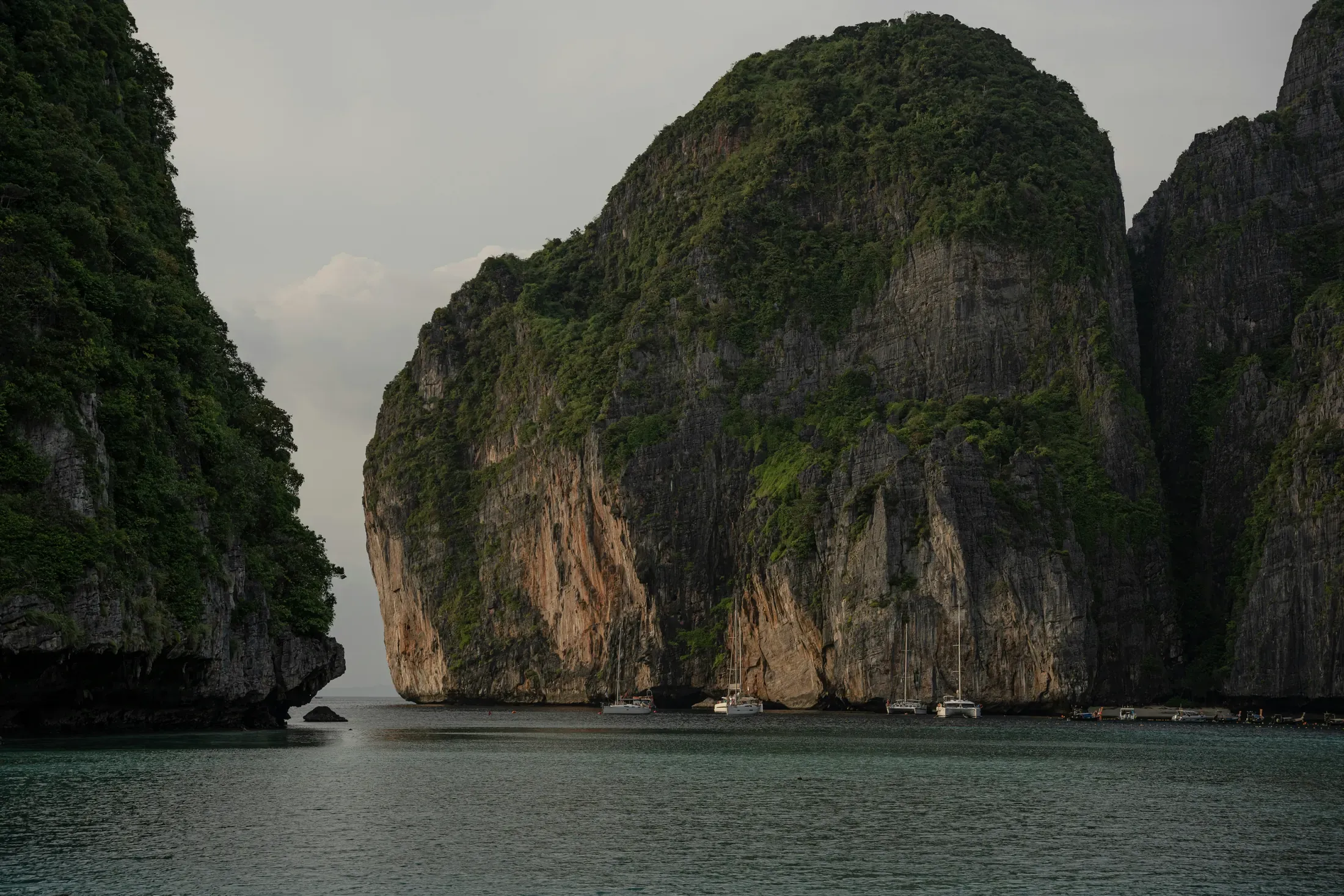
Thailand Weather by Month for Honeymoons and Romance
Thailand weather by month, explained coast by coast — so you pick the right season for a honeymoon or romantic journey.
- Written by
- Ann Sitaporn
- Published
- August 2, 2026

Thailand can bring clear island mornings, a dramatic tropical downpour, and dinner beneath a warm evening sky in the same week. For couples comparing the country's monthly climate, the useful question isn't simply "Will it rain?" It's which coast, city, or mountain region suits the kind of trip you want.
A beach-led honeymoon in Phuket has different priorities from a route through Bangkok and Chiang Mai, while the Gulf islands offer another option. When couples ask us when to go to Thailand, we consider how weather in Thailand varies by coast, city, and mountain region, then build the route around their preferred places.
Key Takeaways
- December to February is usually the most comfortable period for Bangkok, Chiang Mai, and the Andaman coast, but it is also the busiest and requires earlier planning.
- Thailand's weather varies significantly by region. The Andaman coast is generally driest from November to April, while the Gulf coast often offers better beach conditions in July and August.
- March to May brings the hottest weather, with April also featuring the lively Songkran Water Festival. Early starts, shaded afternoons, and resort time make this period more manageable.
- The rainy season does not mean constant rain. May to October can still suit couples who value greener scenery, quieter hotels, and flexible plans, although September and October are often the wettest mainland months.
- The most romantic itinerary matches the coast, pace, and experiences to the travel month rather than treating all of Thailand as one weather zone.
Thailand Weather by Month: The Short Answer
No single best time to visit Thailand suits every honeymoon. December through February is usually most comfortable for Bangkok and Chiang Mai. It is also the busiest tourist season, so preferred suites and villas need earlier planning.
Across most of the country, the broad pattern is straightforward. The cool season runs from November to February, followed by hotter weather through May. Wetter conditions often develop from late May into October, while southern Thailand follows a different rhythm along the Gulf coast.
The average temperature remains high all year. Daily temperatures across central Thailand often range from 20C to 33C in the cooler months, rising above 35C in April and May. Inland heat can approach 40C before the rains settle in, while humidity levels may feel lower during the coolest weeks.
This month by month guide offers a practical view of the weather in Thailand. Temperatures are broad daytime ranges for much of central Thailand, not a promise for every island or mountain town.
January
Typical daytime temperature: 20C to 32C
Weather character: Dry, comfortably warm
Strong romantic pairing: The capital, northern Thailand, and the Andaman coast
February
Typical daytime temperature: 23C to 33C
Weather character: Dry and increasingly warm
Strong romantic pairing: The Andaman coast and quiet island stays
March
Typical daytime temperature: 25C to 35C
Weather character: Hot, generally dry
Strong romantic pairing: Island resorts and slower city stays
April
Typical daytime temperature: 26C to 36C+
Weather character: Hottest period, storms may build
Strong romantic pairing: Gulf islands and Songkran Water Festival
May
Typical daytime temperature: 26C to 34C
Weather character: Humid, changeable, early rains
Strong romantic pairing: Koh Samui and flexible routing
June
Typical daytime temperature: 25C to 33C
Weather character: Tropical showers, green scenery
Strong romantic pairing: The capital, northern Thailand, and the Gulf coast
July
Typical daytime temperature: 25C to 33C
Weather character: Wet in places, often good on the Gulf
Strong romantic pairing: Gulf islands and relaxed resort stays
August
Typical daytime temperature: 25C to 33C
Weather character: Humid, mixed conditions
Strong romantic pairing: Gulf islands and wellness stays
September
Typical daytime temperature: 24C to 32C
Weather character: Often the wettest mainland period
Strong romantic pairing: City and resort combinations
October
Typical daytime temperature: 24C to 32C
Weather character: Transitional, rain can be heavy
Strong romantic pairing: Flexible routes, usually away from the Andaman coast
November
Typical daytime temperature: 23C to 31C
Weather character: Drying north and west, wet Gulf coast
Strong romantic pairing: The capital, northern Thailand, and Loy Krathong Festival
December
Typical daytime temperature: 20C to 30C
Weather character: Cooler, dry and popular
Strong romantic pairing: Classic multi-stop honeymoon routes
A wet-season forecast does not mean constant rain. It does mean that island transfers, outdoor dining, and long boat days need more flexibility than they would in January.
Thailand's Climate Is Regional, Not Uniform
Thailand has a tropical climate, but its average temperature and weather patterns vary by region. Northern mountains, Bangkok's lowland heat, and the southern peninsula experience different conditions, while regional weather is shaped by altitude and two nearby seas.
That distinction matters when you are investing in a private journey rather than fitting a holiday around the cheapest flight. We often see couples rule out Thailand's rainy season altogether, then discover that another coast would have suited their dates well.

The Mainland's Three Broad Seasons
The cool season is also the dry season, usually running from November into February across central Thailand and the north. Days are warm, humidity is lower, and sightseeing feels easier. December and January suit first visits that pair Chiang Mai, temples, markets, cuisine, and a few days by the sea.
March to May is the hot season. April is normally the peak, and the Songkran Water Festival brings lively celebrations during the hottest period. It can work well for couples happy to begin early, rest through the afternoon, and spend longer at a resort. It is less appealing for full days of walking through the capital or sustained trekking in the north.
The monsoon season affects much of the mainland between late May and October. It is also commonly called the rainy season. Rain often arrives in short, intense showers later in the day, not as an unbroken grey sky. The landscape becomes greener, hotel rates may be softer, and popular places feel less crowded, making flexible plans worthwhile. September and October are often the hardest months for a route that depends on daily plans.
The South Has Its Own Calendar
Southern Thailand is tropical throughout the year. The important division is west versus east, because rainfall levels create different calendars on the two coasts.
The Andaman Sea coast, including Phuket, Krabi, Khao Lak, Koh Phi Phi, and Koh Lanta, tends to be driest from November to April. The Gulf of Thailand coast, including the main Gulf islands, commonly sees its heaviest rain later, particularly from October to December.
A nationwide weather forecast can miss that entirely. For a romantic escape, coast selection is often more useful than choosing a different month.
Andaman Sea or Gulf of Thailand?
For a classic beach honeymoon, the Andaman Sea has broad appeal from December to March, when beach weather is often at its best. Phuket offers a wider selection of refined resorts and restaurants. Krabi has limestone scenery, quieter bays, and easy access to small islands when the sea is calm. Khao Lak suits couples who prefer space, long beaches, and a slower pace.
From May to October, the monsoon season brings more rain and choppier water to this coast. Some days can still be bright, but boat trips may change at short notice. If private island-hopping is central to your plans, we would not build a tight route around this period.

The Gulf coast is often the more sensible choice during July and August. Koh Samui has well-established resorts, spa programmes, private dining options, and easy combinations with nearby islands. It is not rain-free, but it can offer better beach conditions during the European summer holidays.
By contrast, October through December can be difficult on the Gulf. Heavy showers and rougher seas may affect boat connections and the overall feel of a beach stay. If you are travelling then, the western coast is generally the stronger choice.
The practical consideration is not to treat every Thai island as interchangeable. A private transfer can make a journey more comfortable, but it cannot make rough sea conditions disappear. In the shoulder months, we allow more time between arrivals and departures, choose hotels where a rainy afternoon is still pleasant, and avoid routes with several back-to-back crossings.
Month-by-Month Honeymoon Planning
January and February: The Easiest All-Round Choice
January and February are often the best time to visit Thailand for a balanced first honeymoon. Bangkok is warm without April's intense heat, and Chiang Mai is cool enough for unhurried sightseeing. The Andaman coast is generally dry during the cool season, although this is also the busiest tourist season.
Northern evenings can feel cool, especially around hills and higher ground. In the coolest periods, temperatures can fall below 15C overnight in the north. Bring a light layer if you are staying in a mountain lodge or heading to Doi Inthanon.
This is high season for visitors. We recommend booking early if you have specific room types in mind, especially pool villas, beachfront suites, and smaller properties with limited inventory.
March and April: Hot Weather and Songkran Energy
March remains dry in many places, although the hot season makes the heat more serious. Beach stays work well, but city touring needs sensible timing. Early starts, shaded lunches, spa time, and evening reservations make a material difference.
April brings the Songkran Water Festival, Thailand's New Year celebration, usually held in mid-April. It is joyful, lively, and a real cultural experience, particularly in Bangkok and Chiang Mai. It also coincides with the hottest time of year.
For some couples, the Songkran Water Festival is exactly the atmosphere they want. For others, a quieter resort stay is better. We would avoid scheduling a tightly timed arrival, transfer, or formal evening plan during the busiest festival days.
Air quality in the north can also be a consideration between late February and April. Conditions change year to year, but we check this carefully before recommending the north as the centrepiece of a March or April itinerary.
May and June: A Flexible Start to the Rains
May is one of Thailand's most misunderstood months. It is hot, humid, and unpredictable, but it is not automatically a poor choice. Rain may arrive after clear mornings, and the green season has a softer, more private feel.
For couples travelling in May, Koh Samui is often a better beach option than the western coast. A few nights in the capital followed by a Gulf coast resort gives you variety without asking the weather to behave perfectly.
June brings more regular showers in the north and central regions. Khao Sok National Park is lush at this time, though trails can be slippery and lake conditions vary. We would treat it as a nature-led addition, not a rigid schedule of outdoor activities.
July and August: Choose the Gulf Coast
July and August can work well for a honeymoon, especially for couples travelling around school holidays. The weather in Thailand is humid, and rain is part of the picture, but the Gulf coast often has more favourable conditions than the Andaman side.
Koh Samui is a strong choice for a resort stay with a little more life beyond the hotel. Koh Phangan can suit couples looking for quieter bays and a more relaxed rhythm, while Koh Tao appeals if diving is a priority. Sea conditions always deserve a final check before you commit to a series of crossings.
Bangkok also works well in these months. Rain can be heavy, yet it rarely prevents a well-paced city stay. Good hotels, galleries, restaurants, Thai cooking experiences, and private guides give the day enough structure without relying on clear skies.
September and October: Plan for Rain, Not Around It
September is frequently the wettest month in the capital. The city can receive around 320mm of rain across roughly 20 rainy days, although that pattern does not apply across the whole country. The Andaman coast and mainland can both be wet, while the Gulf is heading towards its own wetter period.
October is a true transition month. There may be bright spells, but there may also be prolonged rain and rough water. This is not the right time for a honeymoon built around daily speedboat trips, open-water snorkelling, or a packed itinerary with no recovery time.
It can still suit couples who value excellent hotels, food, wellness, and a quieter Thailand. A stay in the capital with a carefully chosen resort is more realistic than trying to fit in every region.
November and December: Dry Season Returns, With One Exception
By November, the north, the capital, and the Andaman coast are usually moving into more settled weather. It is an attractive time for a route that includes the north, the capital, and Phuket or Krabi. The landscape is still fresh after the rains, while days become more comfortable.
Loy Krathong Festival, the lantern and floating offering festival, often falls in November, depending on the lunar calendar. It can add a meaningful layer to a journey, but popular locations become busy. We plan around the festival rather than assuming an intimate experience will be spontaneous.
December is one of the safest choices for couples who want excellent beach weather on the Andaman coast. The Gulf coast is the exception, as its islands can still receive substantial rainfall. This is the point where regional knowledge matters most.

Building a Romantic Route Around the Weather
The Thailand shoulder season is often rewarding for the right couple. May, June, and late October can offer more space, greener scenery, and strong value at high-quality hotels. The compromise is flexibility. We don't schedule each day as though rain is impossible.
A well-paced 10 to 14-night trip might begin with two or three nights in Bangkok, then continue north when conditions suit. Khao Sok National Park can add a nature-led pause if dates allow, without dictating the route. The final beach stay should feel like a proper pause, not an airport-adjacent add-on.
For a shorter stay, a 7-day Thailand travel itinerary works best when it limits the number of internal moves. One city and one beach destination is often more romantic than three hotels and several rushed transfers.
We begin with the purpose of the trip: rest, celebration, reconnection, or discovery. That conversation shapes the route, hotel style, and pace. A couple who wants culinary evenings and spa time can travel happily in a wetter month. A couple focused on diving and private boat days needs more exact coast and season matching.
Pack lightly, but plan for the conditions you are likely to meet:
- Bring breathable natural fabrics, sun protection, and comfortable sandals for warm-weather travel.
- A compact rain jacket is more useful than a large umbrella during the rainy season.
- Choose closed shoes with grip for temple steps, national park paths, and wet pavements.
- Keep a light wrap for air-conditioned cars, restaurants, and cooler northern evenings.
- Use a waterproof pouch for phones and passports during boat journeys or the Songkran Water Festival.
Frequently Asked Questions
What is the best month to visit Thailand for a honeymoon?
December to February is usually the easiest all-round choice, with comfortable conditions for Bangkok, Chiang Mai, and the Andaman coast. It is also peak season, so couples should book preferred hotels and villas well in advance.
Which Thai coast is best during the rainy season?
The Gulf coast, particularly Koh Samui, is often the stronger choice in July and August. The Andaman coast can be wetter and rougher during these months, while the Gulf may become more unsettled from October to December.
Does it rain all day during Thailand's wet season?
Usually not. Rain often arrives in short, heavy showers, leaving clear or bright periods around them, but boat trips and outdoor plans still need more flexibility.
Is April a good month for a romantic trip to Thailand?
April can work well for couples who enjoy hot weather, resort time, and the cultural energy of the Songkran Water Festival. It is the hottest period of the year, so city sightseeing is best planned for early mornings and evenings.
Where should couples go in Thailand in September or October?
These months are better suited to flexible city-and-resort combinations than to itineraries built around daily boat trips. Excellent hotels, restaurants, wellness experiences, and a slower pace can still make the journey rewarding.
A Final Choice That Fits the Trip
Thailand rewards travellers who match the route to the month, rather than treating the country as one weather zone. Choose the coast first, then the pace and experiences that matter most to you.
For many couples, Thailand weather by month points towards December through February, when the cool season suits an easy all-round trip. Yet July on a southern island, May with a flexible itinerary, or November in the west can be equally right.
The best romantic journey is not the one with a perfect forecast. It is the one organised around the places, conditions, and moments you genuinely want to share.

Founder & Travel Designer at Jenesis Travel
Bangkok-based, Ann designs bespoke Thailand journeys around the reason for travel. With first-hand knowledge of the hotels, guides, and operators in her network, she brings personal insight and local relationships to every itinerary.
@anitasitagallery