Best Beaches in Thailand by Travel Style and Season
We compare the best beaches in Thailand by season, swimming, privacy, access, and travel style to help shape your ideal beach journey.
- Written by
- Ann Sitaporn
- Published
- August 9, 2026
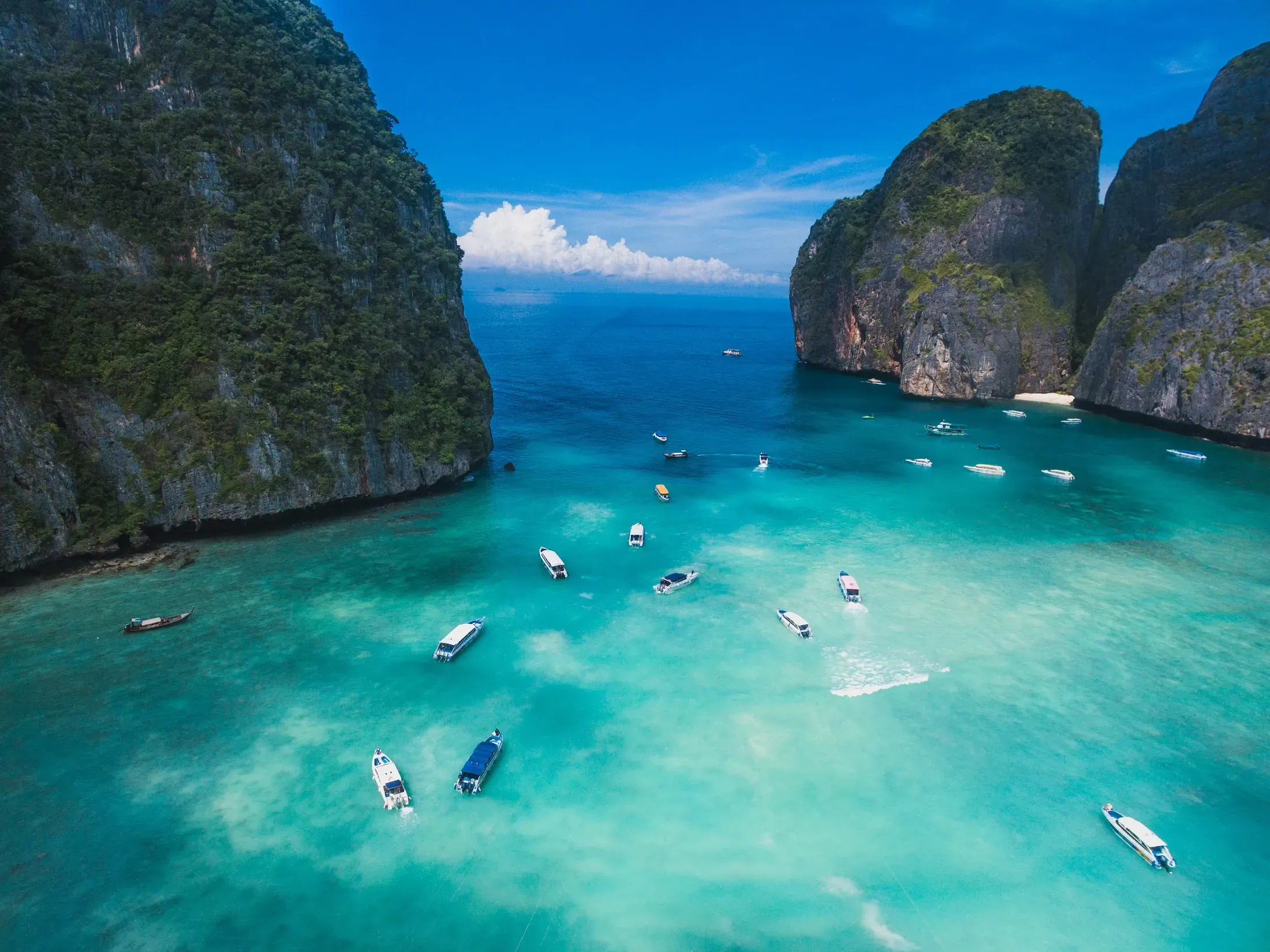
Choosing among the best beaches in Thailand depends on the season, access, privacy, swimming conditions, and your travel style. Phuket and Krabi offer some of the strongest Andaman options, while Gulf destinations may suit travellers visiting during wetter months on the west coast.
We compare beaches by travel style, season, swimming conditions, privacy, marine life, and suitability for couples or families. For an affluent traveller planning a 7- to 14-night private journey, Thailand travel works best when the beach matches your preferred pace and logistics. A base such as Kamala Beach in Phuket can provide a quieter shoreline with convenient access, while other travellers may prefer a livelier setting or a more secluded coast. Our Thailand beach travel itineraries are shaped around those practical details, not fixed packages.
Beach conditions, swimming warnings, marine-life sightings, and national park access can change, so current details should be checked before booking. We'll begin with the beaches that suit each travel style best.
Key Takeaways
- The best beaches in Thailand depend on your travel style, preferred pace, and comfort with lively resorts or quieter shores.
- Phuket and Krabi work well for Andaman coast trips between November and April, with easier access and calmer seas.
- Choose one principal beach base when possible, especially on shorter trips, to avoid rushed transfers.
- Swimming and boat trips depend on sea conditions, even during the recommended travel season.
- For shorter trips, a well-planned one-week Thailand itinerary protects beach time and limits unnecessary island changes.
What Are the Best Beaches in Thailand for Your Trip?
There is no single best beaches in Thailand choice for every traveller. Phuket offers the broadest selection and easiest international access, Krabi brings dramatic limestone scenery and boat links, Koh Samui suits polished resort stays, Koh Lanta offers more space, and the Similan Islands are strongest for seasonal snorkeling and diving.
The right decision also depends on your hotel style, transfer time, swimming conditions, and travel month. Our Thailand island and beach itinerary planning usually starts with those practical details.
Which Beach Is Best for Couples, Families, Privacy, and Snorkeling?
For couples, Railay and Phra Nang are particularly appealing. Limestone cliffs, clear water, and boat access create a more distinctive setting than a conventional resort beach. Phuket is better when you want more restaurants, private villas, and easy connections.
Families and relaxed stays usually work well at Kata, Karon, Nai Harn, Maenam, or Koh Lanta. These areas offer a calmer pace, with different levels of swimming space, local dining, and resort convenience. Koh Lanta is often the better fit for longer beach days without a densely developed setting.
Mai Khao, Kamala Beach, and Nai Harn are sensible choices for a quieter Phuket base. They offer resort access and a calmer atmosphere while keeping Phuket's wider facilities within reach.
For marine life, the Similan Islands are a leading choice during their open season, generally from mid-October to mid-May. The national park is closed from May 15 to October 15, 2026, so dates matter. Koh Tao is a strong Gulf-side option for snorkeling and diving, especially when Andaman conditions are less reliable. A guided snorkeling tour can also simplify access to the best sites.
How Do the Main Beach Regions Compare?
Phuket
Strongest beach experience: Choice and easy luxury
Best for: First trips, couples, families
Access style: International air hub, roads, boats
Main trade-off: Busier and more developed
Krabi
Strongest beach experience: Limestone scenery and boat links
Best for: Romance, views, island trips
Access style: Airport, roads, longtail boats
Main trade-off: Seasonal sea conditions
Koh Samui
Strongest beach experience: Polished resort convenience
Best for: Comfortable stays and Gulf weather
Access style: Island airport, roads, boats
Main trade-off: Less dramatic cliff scenery
Relaxed island base
Strongest beach experience: Space and slower days
Best for: Relaxed families and couples
Access style: Mainland transfer, roads, boats
Main trade-off: Fewer high-energy options
A visually impressive beach may not be the most practical base. Consider how often you want to move, whether boat travel suits your group, and how reliable the sea is in your chosen season.
Which Andaman Beaches Offer the Best Mix of Scenery and Comfort?
The Andaman Sea coast is a strong choice for November to April trips, although conditions vary by month. Phuket and Krabi offer easy private logistics, while Koh Lanta, Phi Phi, and the Similan Islands need more planning. For many travellers, this is where the best beaches in Thailand combine scenery, comfort, and access.

Which Phuket Beaches Suit a Refined Beach Holiday?
Phuket offers the widest choice of villas, spas, private transfers, yacht outings, dining, and activities. Its beaches, however, suit distinctly different travel styles.
Patong is the developed choice, with the island's strongest nightlife, shopping, and restaurant selection. Kata and Kata Noi offer a balanced family holiday, while Karon provides a broad, practical beach with plenty of resort accommodation. Nai Harn is quieter and more scenic, while Mai Khao and Nai Yang suit travellers seeking a lower-density, airport-side setting.
Kamala Beach offers a calmer resort style with convenient facilities. For families, Kamala Beach provides an easier base than busier Patong. Swimming at Kamala Beach is generally most comfortable in calmer seasonal conditions. Kamala Beach also has a useful selection of restaurants and casual dining. With its quieter setting, Kamala Beach can offer more privacy than the island's livelier areas. From Kamala Beach, travellers can reach the rest of Phuket without giving up a relaxed base.
Rawai is best understood as a coastal base for restaurants, boat trips, and local atmosphere, rather than a classic swimming beach.
Why Are Railay and Phra Nang Among Thailand's Most Memorable Beaches?
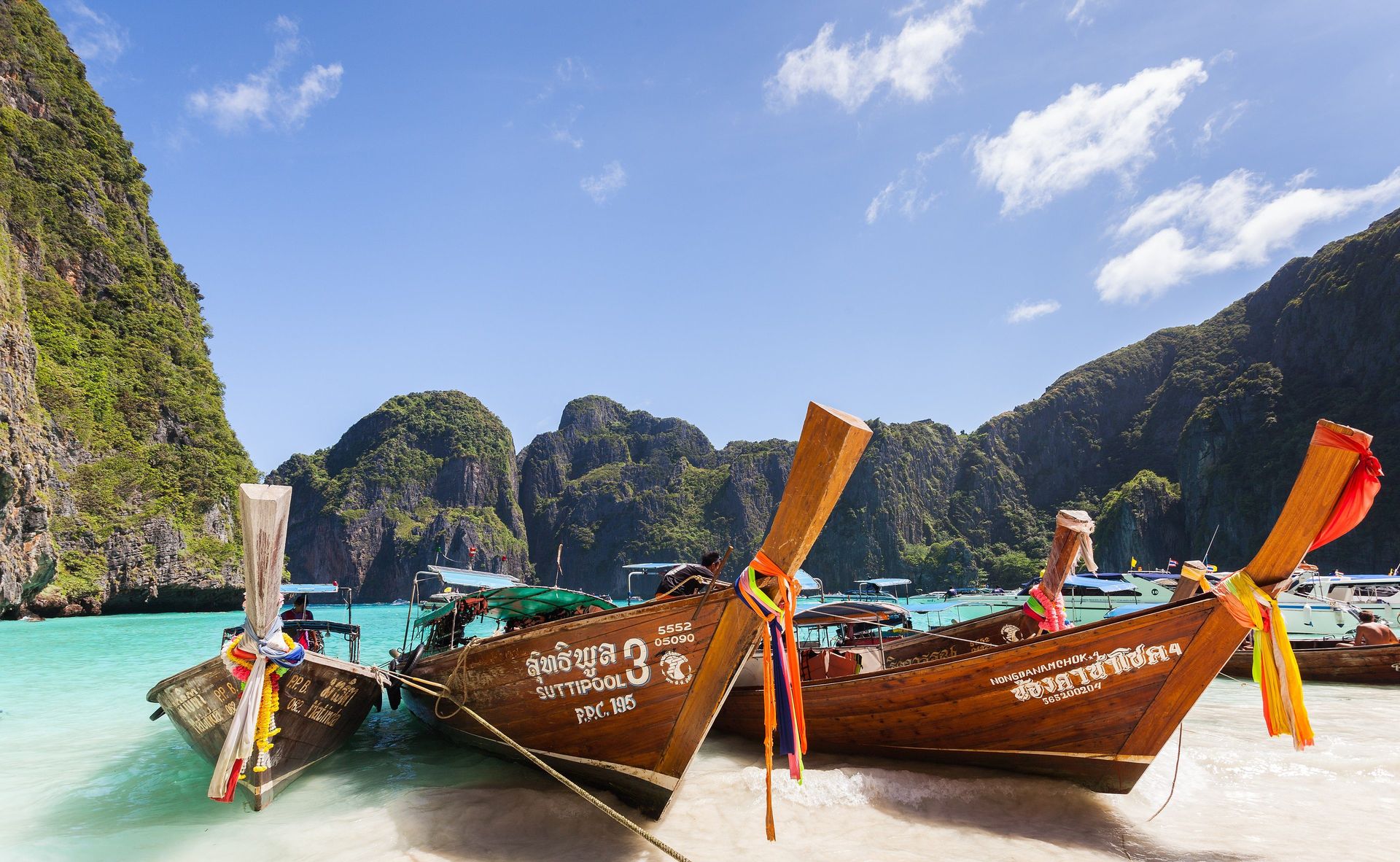
Railay Beach and phra nang beach combine limestone cliffs, crystal clear waters, and boat access in a way few conventional resort beaches can match. The peninsula has no ordinary road access, so visitors typically arrive by longtail boat. That separation creates a secluded feel, especially for couples, photography, and scenic day trips.
These beaches are less focused on broad, shallow resort frontage than some Phuket or Samui beaches. Krabi is also a useful gateway for island hopping, including the Phi Phi Islands and Koh Lanta.
Is Koh Lanta Better for a Slower Beach Escape?
Koh Lanta suits couples, families, and longer stays built around space rather than constant activity. Long beaches, open coastline, and memorable sunset views create a slower rhythm than Phuket or Phi Phi.
The trade-off is access. Luxury infrastructure and restaurant choice are more limited than in Phuket or Koh Samui. Koh Lanta works best when unhurried days matter more than extensive resort services.
For quieter southern options, koh lipe offers North Point Beach, with a white sand beach and easy access to a coral reef. koh kradan is another peaceful Andaman option, but it isn't a replacement for every Krabi itinerary. These lesser-known islands can feel like hidden gems, although they still require more planning and don't promise complete seclusion.
Should You Visit the Phi Phi Area or Seasonal Marine Parks for Beach Scenery?
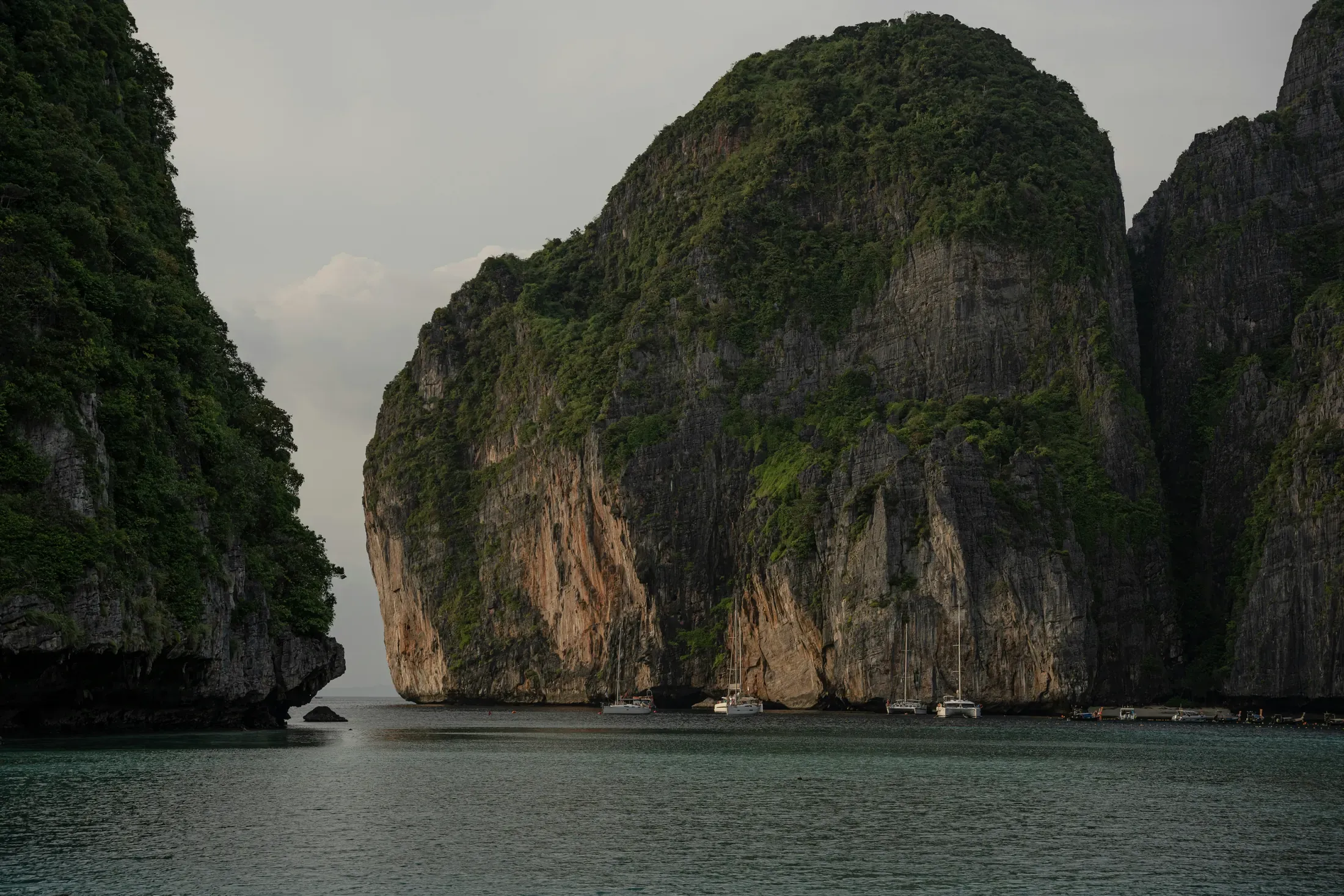
The Phi Phi Islands are a strong choice for photography, snorkeling, and a dedicated snorkeling tour, but crowds and weather can affect the experience. Maya Bay is part of the Phi Phi area and operates with visitor controls, reflecting efforts to manage over tourism. This region isn't the easiest base for private beach living.
The Similan Islands are different: a protected marine park for seasonal snorkeling and diving, not a year-round resort destination. A snorkeling tour there usually operates during the marine park season, commonly from mid-October to mid-May, with e-ticketing and daily visitor controls. We recommend checking current dates and rules with park authorities before travel. Conservation restrictions are part of the experience, not an inconvenience to work around.
Which Gulf Beaches Are Best When the Andaman Coast Is Wet?
The Gulf of Thailand is not simply a backup for the Andaman coast. Koh Samui, Koh Phangan, and Koh Tao have distinct travel personalities, with generally better conditions from January through August. Koh Chang follows a different weather pattern, so check the forecast and transfer plan carefully.
When Phuket and Krabi face greater exposure to the southwest monsoon, the Gulf islands can offer a more dependable alternative. Showers, humidity, and rougher days remain possible, especially during seasonal transitions.

What Makes Koh Samui the Easiest All-Around Island Choice?
Koh Samui is the most developed Gulf island and the easiest choice for couples and families who want variety without changing hotels. Chaweng has the broadest dining, shopping, nightlife, and resort range. Lamai is quieter, while Maenam suits peaceful family stays and slower beach days.
Silver Beach, also called Crystal Bay, is a smaller cove with clear water and a relaxed swimming atmosphere. It works well for a few unhurried beach hours rather than a full-service resort base.
Samui also offers the strongest choice of polished beach resort options, spas, private transfers, restaurants, and organised excursions. For many travellers, that balance makes it one of the best beaches in Thailand when comfort matters as much as scenery.
Is Koh Phangan Right for a Private or Wellness-Focused Stay?
Koh Phangan has two very different personalities. Haad Rin is associated with nightlife and isn’t the right fit for privacy-first travel. Bottle Beach and the island’s quieter northern and northeastern areas offer more seclusion, wellness retreats, yoga, and boat-access coves.
The trade-off is a less developed luxury infrastructure than Samui. Choose Koh Phangan for its atmosphere, not for a full-service resort scene.
When Does Koh Tao Make Sense for Beach Lovers?
Koh Tao is primarily a marine-life destination. Diving, snorkeling, and compact island experiences matter more here than wide beaches, private villas, or extensive resort services.
It works best as a specialist stop or short extension, particularly for travellers who want time on the water. A snorkeling tour is worthwhile when sea conditions are calm and operators have strong safety standards. For a polished beach base, Samui is usually the more complete choice.
Eastern-island alternatives require a more specific plan. Bang Bao Beach can suit travellers seeking a quieter, less polished base, but conditions and transfers vary. Check Koh Chang against the forecast rather than assuming it will be dry when Phuket is wet.
From the Ground
“Best beach” is the wrong opening question. We choose by travel style and month first—honeymoon quiet, family shallow water, or a design hotel that happens to sit on sand—then name the coast.
We place beach time where the sea is likely to cooperate for your dates. We steer people away from Andaman boat-heavy plans in the wet southwest months, and away from treating every limestone cove as interchangeable.
When a brochure beach needs a daily longtail to feel special, we say so. Some of the most successful stays we design barely leave the resort shoreline—and that is intentional, not a compromise.
What Should You Check Beyond the View?
The most photogenic beach isn't always the best place to swim or spend a full day. Some coves become shallow at low tide, while others have stronger currents, exposed rocks, or longtail boats using the shoreline.
We usually consider:
- Whether the beach has a practical swimming area during your travel dates.
- How much natural shade is available during the hottest part of the day.
- Whether access involves a road, steep path, longtail boat, or shared excursion.
- How busy the shoreline becomes when day visitors arrive.
- Whether restaurants, bathrooms, and resort services are close by.
For example, Kamala Beach may offer convenient services, but tide conditions and peak-time crowds still matter. A quieter base, such as Koh Lanta, may better suit travellers who prefer slower beach days and simpler access.
This is where a bespoke Thailand beach journey can make a real difference. The right base may be less famous but better suited to your pace, hotel preferences, and daily plans.
How Much Does the Season Affect Beach Days?
Season affects more than sunshine. On the Andaman coast, the southwest monsoon generally runs from May to October, with rougher seas and more boat disruption likely between June and September.
The dry season is usually strongest from November through April, when Phuket and Krabi often have calmer conditions. Even then, weather can vary by month in Phuket and Krabi, so timing still matters.
Koh Samui follows a different Gulf pattern. Its wettest period is typically October to December, with November often the most unsettled month. This makes Samui a useful option for summer travel when west-coast conditions are less dependable.
Before booking boat trips, island visits, or open-water activities, verify current forecasts, marine conditions, and official advisories. Weather remains changeable on every coast, and local warnings can affect plans quickly.
How Should You Choose the Right Thai Beach?
The best beaches in Thailand are not chosen by scenery alone. We also consider the season, swimming conditions, access, privacy, and the resort experience you want. A beautiful beach can disappoint if the sea is rough, tides limit swimming, or boat transfers are unreliable.
What Should You Check Before Booking a Beach Stay?
Use this sequence when comparing beach destinations and resorts. Start with the monsoon pattern for your travel dates. Phuket, Krabi, and Koh Lanta are generally stronger during the drier Andaman season, while Gulf-side destinations can suit some summer plans. Weather still varies, so check current forecasts before booking open-water activities.
Next, assess the swimming conditions. We recommend checking:
- Whether the beach is suitable for swimming, including currents, rocks, surf, and water depth at different tides.
- The current flag status, lifeguard coverage, and any local swimming restrictions. Thai safety guidance recommends designated, lifeguarded areas, with green-flag zones considered safer.
- Whether ferries, speedboats, or longtail boats are dependable for your dates. Check current weather warnings and official operator updates, since conditions can affect transport schedules and cancellations.
- How you reach the beach from the airport or mainland. Check whether the final transfer involves a long boat journey, steep path, or shared vehicle.
- The resort's exact position. Kamala Beach, for example, offers resort services and good access in the broader area, but individual properties can differ in beach frontage, shade, swimming conditions, and distance from restaurants.
- Whether the beach has shade, safe family swimming, children's facilities, private dining, and suitable rooms for your group.
- How much privacy you want, particularly when famous beaches receive day visitors.
- Current national park rules, including closure dates, visitor caps, e-ticket procedures, and permitted boat access. For the Similan Islands, check official sources for 2026 closure dates, entry requirements, visitor limits, and transport schedules before booking.

For a seven to fourteen-night journey, we usually favour Bangkok, one main beach base, and one carefully chosen island or marine experience. Too many stops can turn a restful holiday into a sequence of check-ins, luggage transfers, and uncertain crossings.
How a Tailored Beach Journey Takes Shape
The best beaches in Thailand depend on more than the coastline. We begin by listening to your trip’s purpose, then align the season, pace, beach character, hotels, transfers, and experiences.
Thailand has two different monsoon patterns. Phuket, Krabi, and Koh Lanta usually suit November to April. Koh Samui, Koh Phangan, and Koh Tao can be better options during parts of the mid-year season. We also check marine park closures and the Thai Meteorological Department forecast before confirming boat days.
Matching the Journey to Your Travel Style
A honeymoon may combine Bangkok, a private pool villa, and a quiet beach. The pace stays unhurried, with one carefully planned boat experience rather than daily island changes.
A family holiday needs practical swimming conditions, shade, reliable transfers, and suitable room layouts. We match the beach and resort setting to the children’s ages and your preferred level of activity.
For a wellness-led escape, the beach is only part of the decision. We consider peaceful surroundings, spa facilities, early-morning space, healthy dining, and time for rest without constant transfers. A quieter Gulf island can suit this style, while a larger resort island offers a wider choice of services.
A snorkeling-focused journey requires more careful seasonal planning. The Similan Islands may suit an itinerary during their open season, while other routes can offer easier access to sheltered waters. Before confirming a snorkeling tour, we check the operator, sea conditions, park opening dates, and transfer timing. Access remains weather-dependent, so no marine experience should be presented as guaranteed.

Building the Complete Route
We then select carefully chosen hotels, private transfers, boat arrangements, and time in Bangkok or a cultural destination. A seven to fourteen-night journey usually benefits from one principal beach base and one additional experience, rather than a rushed sequence of islands.
That is the difference between choosing a beach and designing a journey around your travel preferences.
Frequently Asked Questions
The best beaches in Thailand depend on more than scenery. Season, swimming conditions, access, and your preferred pace all affect the right choice.

What Is the Best Beach in Thailand for a First Visit?
Phuket is usually the easiest first beach base. It has an international airport, varied beaches, hotels, restaurants, private villas, and convenient road connections.
Krabi may suit you better if dramatic limestone scenery matters more than convenience. Railay Beach, Phra Nang, and nearby island trips create a distinctive setting, but boat access requires additional planning.
Which Thai Beaches Are Best for Families?
Kata, Karon, Nai Harn, Maenam, and Koh Lanta are sensible family choices. They offer space, calmer atmospheres, and practical accommodation nearby.
Karon is broad and gently shelving, while Koh Lanta suits families who prefer longer, less developed beaches. Always check current sea conditions beside your hotel. Currents, rocks, boat traffic, and tides can affect swimming.
Where Are Thailand's Quietest Beaches for Couples?
Koh Lanta often offers longer beaches and a slower pace, while Koh Lipe has clearer water but more activity around popular areas. Kamala Beach provides restaurants and services, though it can feel busier than smaller bays.
Koh Kradan and North Point Beach can suit couples seeking scenic swimming and fewer facilities. Access may involve longer boat transfers, limited dining, and changing conditions. These beaches aren't guaranteed to be uncrowded.
Koh Chang, including Bang Bao Beach, is another eastern-island option. Its weather and transport patterns differ from Samui and the Andaman coast, so check ferry schedules and forecasts carefully.
What Is the Best Time to Visit Thailand's Beaches?
The Andaman coast, including Phuket, Krabi, Phi Phi, and the Similan Islands, is commonly favored from November to April. Gulf islands can offer a useful alternative during parts of the Andaman wet season, often from January to August.
Weather varies by year and island. Check current forecasts, marine warnings, and transport conditions before booking boat trips.
Can You Visit the Similan Islands All Year?
No. The protected national park closes during part of the southwest monsoon and its annual ecosystem recovery period. The usual operating window is around mid-October to mid-May, but dates, entry rules, and visitor limits require official confirmation for your travel year.
Is Phi Phi Better as a Day Trip or an Overnight Stay?
A day trip is efficient if you want the main scenery and a single island experience. An overnight stay suits travellers who prefer slower timing, photography during quieter hours, or sunset and early-morning access.
Both options depend on seasonal sea conditions and current boat logistics. We usually favor an overnight stay when atmosphere matters as much as the viewpoint.
Conclusion
The best beaches in Thailand depend on your travel dates, trip purpose, and preferred pace. Choose the Andaman coast during its drier season, or favor the Gulf when conditions better suit your plans.
For privacy and slower days, Koh Lipe suits travellers willing to trade convenience for a quieter southern base. Kamala Beach offers a practical Phuket-area choice for easier access. A private journey can help you choose the right base, reduce unnecessary transfers, and protect time for swimming and rest, because a tropical coast is most memorable when conditions and planning work together.
Related reading: islands and beaches journeys, best time to visit Thailand, and Thailand rainy season.

Founder & Travel Designer at Jenesis Travel
Bangkok-based, Ann designs bespoke Thailand journeys around the reason for travel. With first-hand knowledge of the hotels, guides, and operators in her network, she brings personal insight and local relationships to every itinerary.
@anitasitagallery