
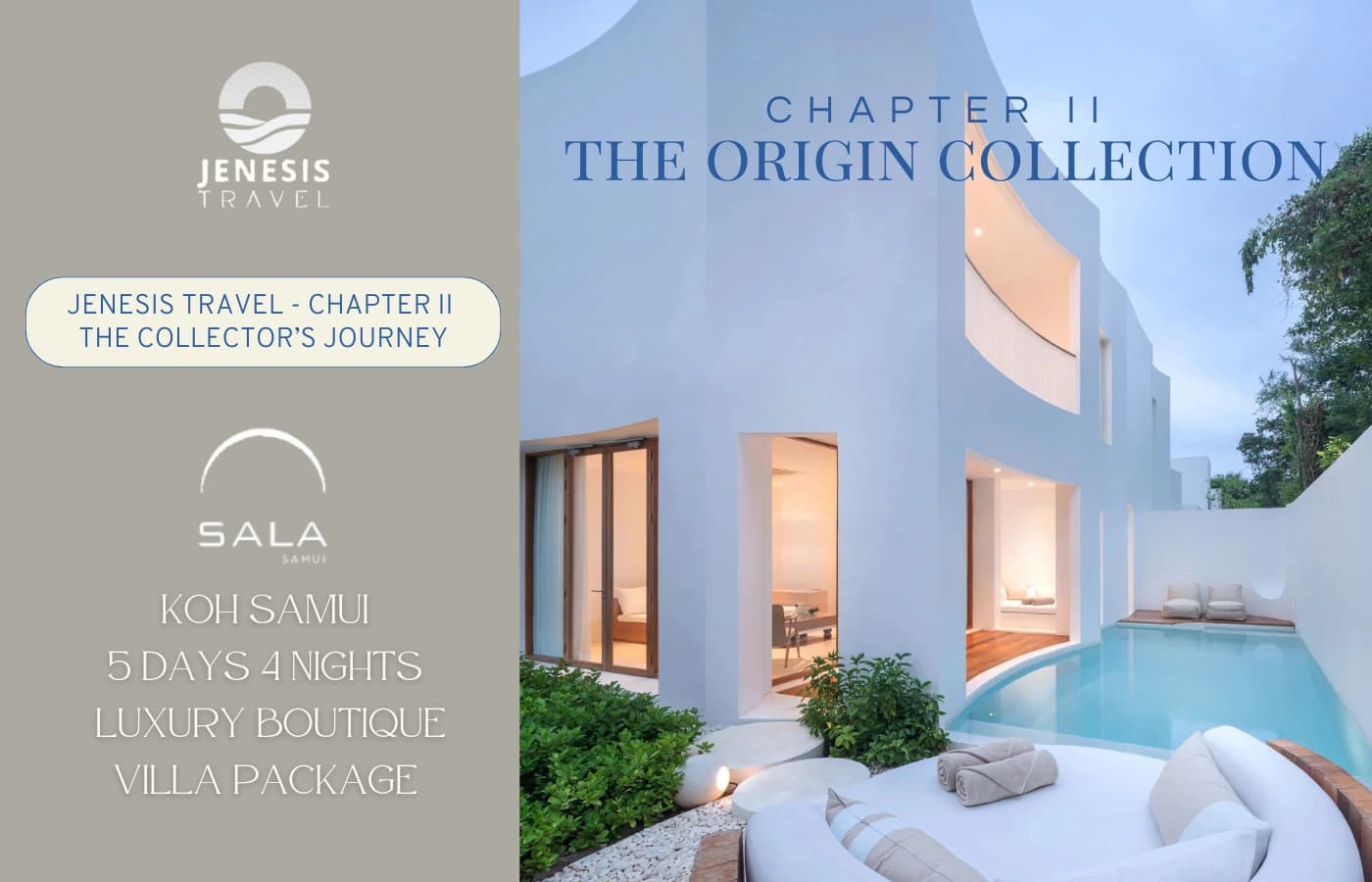
Want a hotel that feels like a place, not a generic room with a logo on the soap? Thailand is full of stays where the design isn't just for photos. It shapes how you sleep, shower, eat, and slow down.
This guide to design hotels in Thailand 2026 explains what "design hotel" really means here, what's new this year, and how to choose one that fits your trip. You'll also see where each destination shines, from Bangkok's skyline energy to Chiang Mai's calm courtyards, and from Phuket's private bays to Koh Samui's softer, barefoot pace.
If you're paying more for style, you should get comfort back. Let's make sure you do.
What "design hotel" means in Thailand in 2026 (and why it feels different here)
A design hotel in Thailand is built around a clear point of view. The look is intentional, the spaces tell a story, and the choices feel connected, from the lobby scent to the way sunlight lands on the wall at 4 p.m. You'll often see local materials (teak, stone, clay tile), local art, and layouts that work with heat and rain instead of fighting them.
Thailand's version also feels different because of how people live here. Indoor and outdoor space blends easily. A corridor might become a garden walk. A breakfast room might open to a pond. Even in a city hotel, you'll see shaded terraces and pockets of quiet that feel like a reset button.
Service culture matters, too. In the best properties, design and hospitality support each other. Staff can explain the room controls without making you feel silly, and they'll adjust small details (pillow types, room scent, mini-bar swaps) so the space works for you.
Food and drink is often part of the design idea, not an afterthought. A strong bar program, a thoughtful tea set in the room, or a breakfast that highlights local fruit can make the whole stay feel complete, like a well-planned meal instead of random snacks.
The 2026 look: warm minimal, local craft, and rooms made for real rest
The vibe in 2026 leans warm and calm. Think textured plaster walls that soften light, teak and rattan that add warmth, and handmade tile that looks imperfect in the best way. Colors sit in the background: sand, clay, soft green, so your brain quiets down faster.
Guests notice practical upgrades, too. Smart storage keeps suitcases out of the walkway. Showers are often bigger, with ledges that actually hold your bottles. Lighting tends to be softer and more layered: bedside lamps, hidden strips, and reading lights that don't blast your face.
Sleep is a bigger focus than it used to be. Better mattresses, real blackout solutions (not flimsy curtains), and improved sound control can turn a "pretty room" into a room you'd gladly return to.
Sustainability that shows up in your stay, not just a sign in the lobby
The eco features that matter most are the ones you feel. Shade design that reduces heat. Natural airflow that keeps rooms comfortable without constant blasting AC. Refill stations that are easy to use and don't feel like punishment. Breakfast setups that cut waste (smaller batches, made-to-order options) without shrinking choice.
You'll also see more solar in sun-heavy regions, plus water-saving systems that don't ruin the shower. Good hotels keep pressure strong while reducing waste through smarter fixtures and maintenance.
Watch out for vague green claims. A sign that says "save the planet" doesn't tell you much. Look for clear actions: glass water bottles refilled daily, local sourcing called out on menus, linen policies you can control, and visible upkeep that shows the hotel invests beyond the lobby.
Where to book: the best places in Thailand to find standout design hotels
Thailand's design scene isn't in one zip code. It's spread across cities and islands, shaped by weather, culture, and what travelers do there. Choose your base first, then match the hotel style to the way you'll spend your days.
Bangkok design hotels suit travelers who want easy transport, late nights, and great dining within a short ride. Chiang Mai boutique hotels fit slower mornings, craft shopping, temples, and cool evenings. Phuket design resorts work best when your goal is beach time with privacy. Koh Samui design hotels often lean more relaxed, with softer architecture and a "no shoes needed" feel.
Bangkok: bold architecture, rooftop energy, and easy access to the best food
Bangkok has a talent for contrast. You can walk from a street-food stall to a sculptural lobby in minutes. Many design-focused stays here use art-led public spaces, strong cocktail programs, and rooftop views that make even a short trip feel big.
Bangkok is best for first-timers, quick stopovers, and "work plus fun" trips where you want comfort between meetings and meals. It's also a smart place to book weekday deals, when business travel patterns create more choice.
A few booking tips help a lot. Pick a hotel with BTS or MRT access if you hate sitting in traffic. Check recent reviews for noise, since skyline views sometimes come with street sound. If you're arriving late, look for guaranteed late check-out or baggage showers. It changes the last day.
Chiang Mai: calm spaces, wood-and-stone details, and design that leans local
Chiang Mai hotels often feel like quiet houses, even when they're not. Courtyards, water features, and shaded walkways show up again and again, because they work. The design tends to use wood and stone, handmade textiles, and simple lines that let local craft stand out.
For neighborhoods, the Old City is the easiest for walking to temples and small museums. Nimman is better if you want cafes, galleries, and a modern feel. Cooler nights mean you'll actually use a terrace or balcony, which makes room design matter more.
Remote workers and couples usually love Chiang Mai. It's easy to build a routine here: a morning coffee, a midday swim, an evening market, and a room that feels calm enough for an early night.
Phuket and the Andaman coast: beach-forward design resorts with real privacy
Phuket is not one thing. Some areas are busy and social, others feel like a private cove. The best Phuket design resorts make privacy part of the layout: villas angled away from each other, shaded terraces, and indoor-outdoor baths that feel like a small ritual.
Look for signals that the hotel planned for heat. Deep overhangs, trees placed for shade, and breezy paths between room and pool often mean the resort will feel comfortable all day.
One simple warning: transport time can shape your whole trip. A hotel can look close on a map but take ages to reach, which matters if you plan to explore, book boat trips, or bounce between beaches.
How to choose the right design hotel in Thailand for your trip and budget
Design hotels come with trade-offs. Some win on style but lose on storage. Others nail the spa and pool but sit far from anything walkable. The goal is to pick what you'll feel every day, not what you'll forget after the first photo.
Budget expectations also differ by category. Value-focused design stays often give you a great room and a smaller pool. Mid-range usually adds better sound control, stronger breakfast, and more staff on hand. Luxury should deliver space, privacy, and service that feels smooth without being stiff.
A quick checklist that saves you money (and avoids "pretty but painful" stays)
Run this fast check before you book:
- Room size and layout: Can two people move without bumping bags?
- Daylight vs heat: Big windows are great, unless the room bakes at 2 p.m.
- Soundproofing: Read recent reviews for "noise" and "maintenance."
- Sleep setup: Mattress comfort, pillow options, real blackout curtains.
- Shower pressure: Water-saving is fine, weak pressure isn't.
- Outlets by the bed: You'll care on night one.
- Wi-Fi reliability: Essential for remote work and simple planning.
- Pool shade and seating: Sun all day sounds nice until it isn't.
Design hotels can age faster if upkeep slips. Recent reviews are your best early warning.
Book smarter in 2026: seasons, stay length, and small upgrades that feel big
High season brings the best weather and the highest rates. Shoulder season often gives you better value, plus a calmer feel in common areas. If you can, book three nights instead of one. You'll settle into the hotel, learn the area, and stop feeling like you're living out of a suitcase.
Breakfast is worth paying for when it's part of the hotel's identity, with local fruit, cooked-to-order options, and good coffee. Skip it if reviews say it's basic.
Small upgrades can matter more than fancy labels. A corner room can cut noise. A river or garden view can make mornings feel slower. A private pool sounds indulgent, but it's also practical if you want quiet swim time. Whatever you choose, flexible rates and clear cancellation windows help when weather shifts plans.
Final thought
Thailand rewards travelers who choose hotels with real comfort behind the style. The best design stays feel like a good song mix: details in the right order, nothing too loud, nothing missing.
Pick your destination first, then shortlist three properties that match your days. Run the checklist, read the most recent reviews, and book the room type you'll actually enjoy living in. Design hotels Thailand 2026 stops being a trend phrase and becomes a better trip, with sleep, space, and service that feel worth the money.
Every chapter is a new beginning.
James Bradley
Travel Consultant at Jenesis Travel
Based in Bangkok, James designs bespoke Thailand journeys tailored to every traveller. With first-hand knowledge of every property and experience in our network, he brings personal insight to every itinerary.
@jenesistravelShare this
You May Also Enjoy
Wellness Retreats Thailand 2026: How to Choose the Right Program, Budget Smart, and Leave Feeling Better
February 24, 2026 • 7 min read
Planning a Destination Wedding in Thailand: A Complete Guide
February 24, 2026 • 3 min read
Thailand with Kids: A Family Travel Guide
February 24, 2026 • 3 min read
Ready to begin your Thailand journey?
Start Planning