
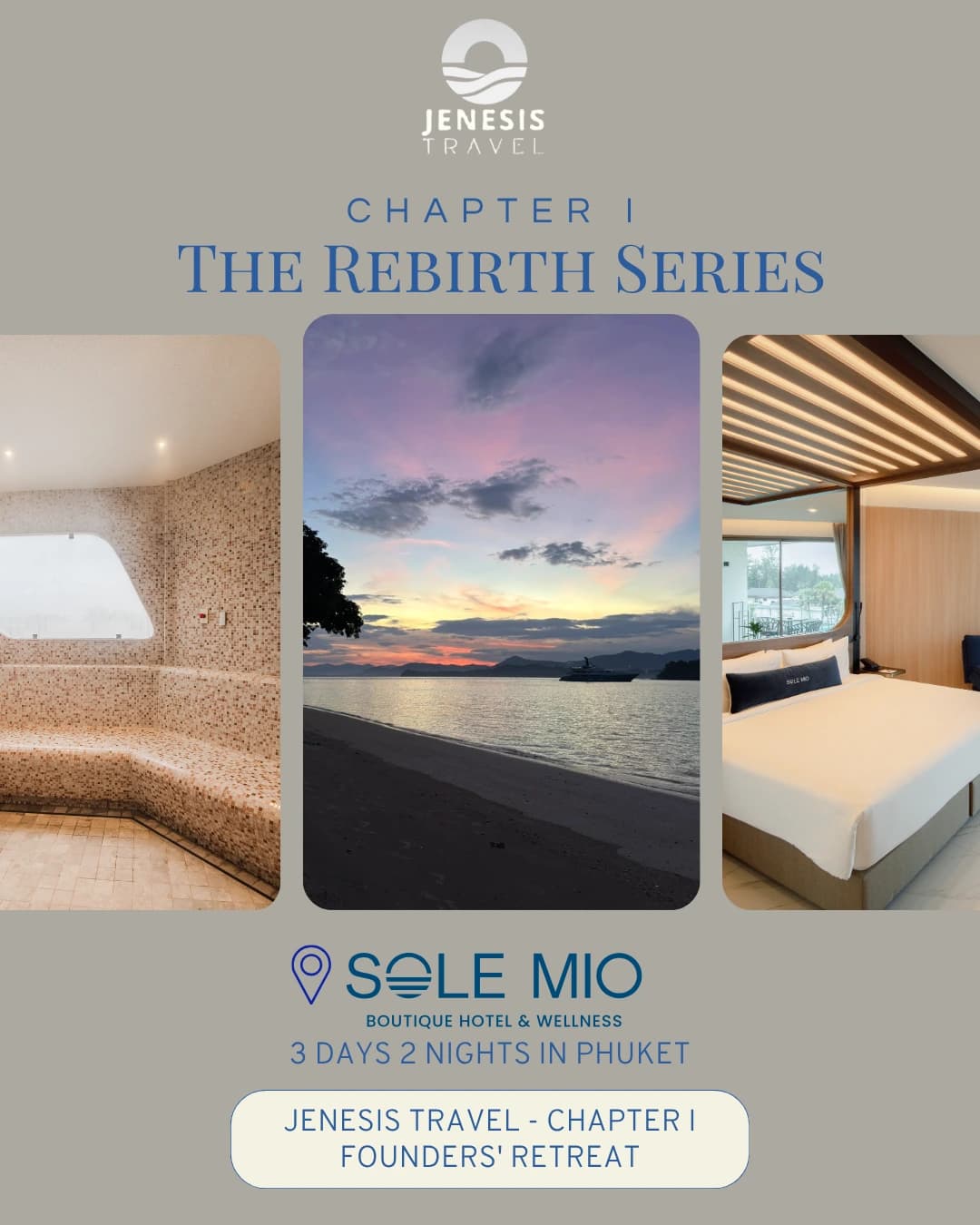
If your calendar looks like a game of Tetris, a wellness retreat can feel like hitting pause on life. Thailand is one of the easiest places to do it without draining your savings, and it's not just about massages on a beach. You'll find yoga, meditation, detox-style menus, Muay Thai training, and spa programs that run like clockwork, plus warm hospitality that makes it simple to settle in.
This guide to wellness retreats Thailand 2026 covers three things most people want to know before they book: how to pick the right retreat for your goal, what it tends to cost in 2026, and what to watch for so you don't pay for hype.
Choose the right wellness retreat in Thailand for your goal, budget, and comfort level
A retreat works best when it matches your real life, not your fantasy self. Start with one clear goal you can explain in a single sentence. Better sleep, less stress, stronger habits, weight support, fitness, or recovery after burnout. The goal shapes the schedule, the food, and how strict the rules feel.
Next, be honest about your comfort level. Some people relax with structure, early mornings, and no alcohol. Others relax when they can choose their own pace. Thailand has both. If you're managing a health condition, are pregnant, or have a history with eating disorders, it's smart to talk with a clinician before committing to fasting, aggressive detox plans, or very intense training.
A simple way to decide is to picture your normal week. Are you sitting all day, running on caffeine, and sleeping badly? Or are you active but mentally exhausted? Your answer points to the retreat style that will actually help.
What kind of retreat are you looking for: yoga and mindfulness, detox, fitness, or stress reset?
Most wellness retreats in Thailand fall into a few clear styles, and the daily rhythm matters as much as the location.
Yoga and mindfulness
A yoga and mindfulness retreat usually starts early with breathwork, yoga, and a light breakfast. Midday may include workshops, journaling, or a temple visit, then a slower evening class. It's a strong fit if you want calmer mornings and less screen time, or you're rebuilding routines after a rough season.
Stress reset
A stress reset program feels gentler. Expect sleep-focused schedules, guided relaxation, massage, sauna or steam, and simple movement. This is often the easiest entry point for first-timers because it doesn't ask you to "perform" wellness. You show up, follow the plan, and rest.
Detox
A detox-style retreat is more structured. Meals can be plant-forward, lower sugar, or juice-heavy, depending on the program. Days often include yoga, guided walks, colon hydrotherapy at some centers, and strict rules like no alcohol. It can suit people who like clear boundaries, but it's not for everyone. If you have medical concerns, get advice first, and don't chase extreme promises.
Fitness
A fitness retreat in Thailand ranges from strength and mobility to bootcamp circuits and Muay Thai. A typical day may include two training sessions, protein-forward meals, and recovery work like ice baths or massage. If you sit all day, a mobility and strength retreat can help you feel "un-stuck" fast, but only if the coaching is solid and the program meets your current level.
Blended programs
Some retreats blend styles, which can be ideal. A week that mixes yoga, strength, and deep sleep habits can feel more realistic than an all-or-nothing plan.
What you actually get for the price in 2026 (and what usually costs extra)
Prices vary by island, season, and how private the experience is. For 2026, many retreats still price as packages, not just a nightly room rate. That's good, as long as you compare the full cost.
| Comfort level | 3 to 5 nights (USD) | 7 nights (USD) | 14 nights (USD) |
|---|---|---|---|
| Budget | $400 to $900 | $700 to $1,600 | $1,300 to $3,000 |
| Mid-range | $900 to $2,000 | $1,500 to $3,500 | $2,800 to $6,500 |
| Luxury | $2,000 to $5,000+ | $3,500 to $9,000+ | $7,000 to $18,000+ |
What's often included: your room, set meals, group classes (yoga, meditation, fitness), and some wellness consults.
What often costs extra: private training, 1:1 therapy or coaching, lab work, IV drips, supplements, spa upgrades, excursions, and airport transfers.
One value tip that saves real money: compare the total package cost, not the nightly rate. A cheaper room can become expensive if every class, sauna, and transfer is add-on priced.
Best places in Thailand for wellness retreats in 2026
Thailand can feel like several trips in one country. Where you go changes the mood of your retreat as much as the program does. Think in terms of what you want to feel when you wake up: ocean air and resort comfort, or mountains and quiet streets.
Travel time matters too. Islands take extra steps: flights, ferries, or both. Northern cities are often simpler to reach, especially for longer stays. Season also changes the experience. The dry months tend to feel crisp and busy, the rainy months can feel cozy and slower, with better deals.
Koh Samui and nearby islands for beach calm and full-service spa programs
Koh Samui is built for people who want wellness without roughing it. The vibe is easy beach days, polished hospitality, and strong spa culture. Many retreats here offer full-service programs where your schedule, food, and treatments are mapped out from day one. That makes it a great choice for first-timers, couples, or anyone who wants comfort and convenience.
You'll also find programs that mix yoga with strength training, plus recovery options like sauna, bodywork, and guided breathwork. When you step outside class, you're still on an island, so it's easy to keep the mood light.
Two watch-outs: prices are often higher than mainland options, and logistics can add cost. Depending on where you stay, you might need a flight plus a ferry, or a domestic flight at peak times. If you want a specific room type, book earlier for 2026 holiday weeks.
Chiang Mai for mountains, mindfulness, and a slower pace
Chiang Mai feels grounded. Evenings can be cooler, mornings can be quiet, and temples are part of daily life. It's a strong match for meditation, yoga, and longer stays where you want to build habits, not just recover from a hectic month.
Retreats here often focus on simple routines: early movement, mindful meals, and long breaks for rest or reading. The city also offers day trips to nature, which can be a calm alternative to beach crowds.
One practical note for planning: late winter to early spring can bring smoky conditions in northern Thailand. If you're visiting around that time, check local air quality and choose retreats that can adapt schedules for indoor practice when needed.
Book with confidence: planning, safety, and simple ways to get more results
A retreat should feel like support, not a gamble. The smartest bookings come from clear expectations, clear pricing, and a plan that fits your body and your life. In 2026, popular weeks can fill up early, especially around New Year, school breaks, and major holidays, so don't wait if your dates are fixed.
Also, think about your "re-entry" before you go. If you return home to the same chaos, the benefits fade fast. Choose a program that teaches habits you can keep, like a 10-minute mobility routine, a simple meal pattern, or a bedtime routine that doesn't require a perfect life.
Best time to go, how long to stay, and what to pack
Thailand's dry season often brings higher prices and more crowds, while the rainy season can feel quieter and greener, with better deals and slower days. If you want beach time plus a structured program, many people prefer dry months. If you want calm, privacy, and value, rainy months can be a good fit.
Length matters. A 3 to 5-night retreat works for a quick reset and better sleep. A 7-night stay is often the sweet spot for habit building. Fourteen nights can be powerful if you want deeper change, but only if you can keep it simple when you get home.
Packing basics: light layers, a modest outfit for temples, reef-safe sunscreen, mosquito repellent, a refillable water bottle, and any meds in original labeled containers. Bring one nicer outfit too. A calm dinner out can be part of recovery.
Red flags to avoid, and green flags that signal real quality
A retreat should sell you on clarity, not pressure. Red flags include pushy sales for pricey add-ons, "guaranteed" results, no qualified staff listed, unclear refund rules, hidden fees, and repeated review comments about poor sanitation.
Green flags are easier to spot when you know what to look for. Look for a clear schedule, staff credentials, nutrition details, allergy handling, and transparent pricing. Recent reviews matter more than old hype. When you read reviews, scan for specifics on sleep, food quality, and cleanliness, not just star ratings.
Before you pay, run this quick check:
- What's included in the package, and what's extra?
- Who leads the sessions, and what are their credentials?
- How strict are the rules (alcohol, phones, early wake-ups)?
- What's the refund policy, in plain language?
- Is it beginner-friendly, with options to scale intensity?
Final thought
The best Thailand retreat in 2026 comes down to three choices: your goal, the location vibe, and the true total cost. Pick the style that matches your life, then choose a place that supports the mood you want, beach ease or mountain calm. After that, compare packages line by line so the price feels fair.
Shortlist two or three options, email a few questions, and book early if your dates are popular. Aim for feeling better, not doing everything perfectly. That's what makes a retreat worth it.
Every chapter is a new beginning.
James Bradley
Travel Consultant at Jenesis Travel
Based in Bangkok, James designs bespoke Thailand journeys tailored to every traveller. With first-hand knowledge of every property and experience in our network, he brings personal insight to every itinerary.
@jenesistravelShare this
You May Also Enjoy

Design Hotels Thailand 2026: Where Style Meets Real Comfort
February 24, 2026 • 7 min read
Planning a Destination Wedding in Thailand: A Complete Guide
February 24, 2026 • 3 min read
Cost of Living in Bangkok: A Realistic Monthly Breakdown for 2026
March 17, 2026 • 5 min read
Ready to begin your Thailand journey?
Start Planning