2 Weeks in Thailand Itinerary: Bangkok, Chiang Mai and the South
Our 2 weeks in Thailand itinerary balances Bangkok, Chiang Mai, and beach time with thoughtful pacing, seasonal advice, and private experiences.
- Written by
- Ann Sitaporn
- Published
- August 15, 2026
A well-paced 2 weeks in Thailand itinerary usually combines Bangkok, Chiang Mai, and one or two southern beach areas, chosen around the season and your interests. This creates a balanced first or second trip, with time for city culture, local food, nature, and rest without spending every other day in transit.
Our suggested route moves from Bangkok's energy and cultural depth to Chiang Mai's slower rhythm, then south for restorative beach time. It suits affluent couples, families, and small groups who want more than a list of famous stops. We balance meaningful experiences, well-chosen hotels, private time, and practical travel days. The right route still depends on your trip's purpose, travel dates, preferred coast, and desired pace.
At Jenesis Travel, we begin with the reason behind your journey, then shape the route around it. You can also compare this with our 7-day Thailand itinerary for a shorter version before planning two weeks.
Key Takeaways
- A well-paced 2 weeks in thailand itinerary combines Bangkok, Chiang Mai, and one southern beach area.
- Travel inland first, then choose the Andaman or Gulf coast based on your dates and likely weather.
- The Andaman coast generally suits the dry season from November to April, while the Gulf is often more reliable between June and August.
- Allow time for culture, food, nature, and rest rather than adding too many destinations.
- Our Bangkok-based travel designers shape hotels, experiences, and pacing around your reason for travelling.
What Does a 2 Week Thailand Itinerary Look Like?
A well-planned 2 weeks in Thailand itinerary usually includes Bangkok, Chiang Mai, and one carefully chosen southern base. This north-to-south flow offers cultural variety first, followed by time to slow down by the sea.
How Many Nights Should Be Spent in Each Destination?
A flexible split works better than a rigid schedule:
- Bangkok: 2 to 3 nights, allowing time for temples such as Wat Pho, markets, river experiences, and recovery after an international flight.
- Chiang Mai: 3 nights, with space for heritage sites, northern food, craft traditions, and a countryside experience.
- Southern Thailand: 6 to 7 nights, ideally based in one main coastal destination, with an optional boat day or short nature stay.
Couples may prefer three nights in Bangkok and a longer, more private beach stay. Families often benefit from fewer hotel changes and a full week in the south. If culture is the priority, add a night to Chiang Mai. During burning season, check local air quality before confirming northern travel. If rest matters most, give that night to the coast instead.
One southern base often creates a calmer, more refined Thailand itinerary than trying to visit every famous island.
Phuket or Krabi can provide varied dining, boat trips, and well-established hotels. Both Phuket and Krabi also make practical bases for a boat day to Koh Phi Phi. Koh Yao Noi suits travellers seeking a quieter setting, while a second beach stop only makes sense if the transfer adds something meaningful.

Which Southern Coast Works Best for the Travel Season?
The Andaman coast, including Phuket, Krabi, Phang Nga Bay, and Koh Yao Noi, is often the stronger choice during the dry season, particularly from November to April. The Gulf side, including Koh Samui, Koh Phangan, and Koh Tao, can be more suitable when the Andaman coast is wetter, often during parts of July to September.
These are useful patterns, not guarantees. Confirm current forecasts, ferry schedules, and sea conditions before booking, especially for your planned travel dates.
How Should a 2 Week Thailand Itinerary Be Planned Day by Day?
A well-paced 2 weeks in Thailand itinerary should build from urban energy and heritage to northern culture, then beach time. This Thailand itinerary groups experiences by area, allows recovery after flights, and avoids a checklist of distant sights.

What Can Be Done in Bangkok During the First Three Days?
Use days 1 to 3 for arrival recovery, riverside Bangkok, and historic districts. Arrange a private airport transfer and pre-arranged check-in, then keep the first evening light with a spa treatment or refined dinner.
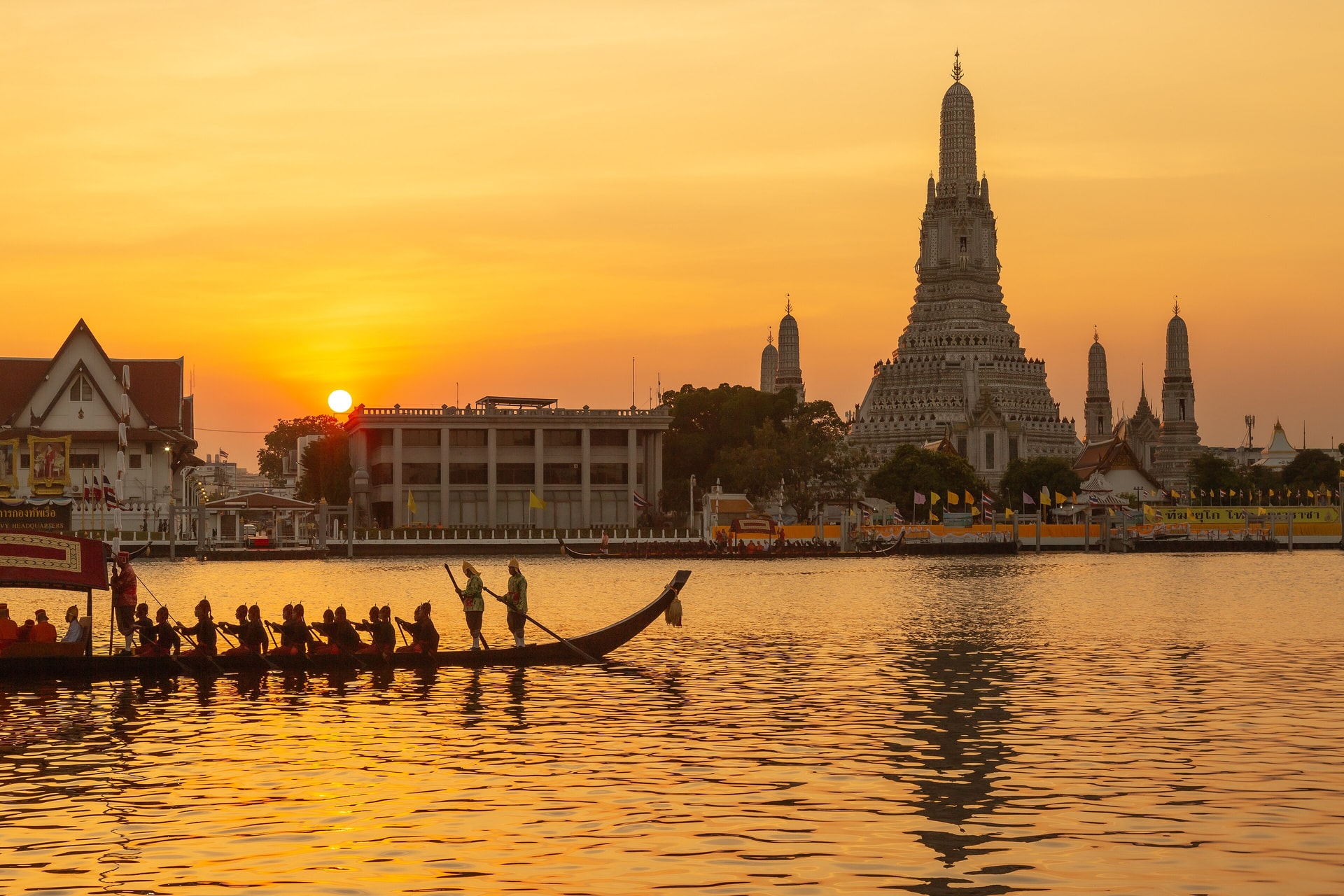
Group the Grand Palace, Wat Pho, Wat Arun, and a river experience, with an optional floating market, rather than crossing the city repeatedly. A guided food walk focused on street food adds local context, while a slower final day can include Chinatown, a cooking experience, or time at the hotel. Bangkok works best as an introduction to Thailand's history, food, and urban rhythm, not as a rushed list of attractions.
What Makes Chiang Mai Worth Three Nights?
Spend days 4 to 6 in Chiang Mai, with time for the Old City, temples, northern Thai food, craft traditions, and mountain scenery. An early visit to Doi Suthep usually gives you a more comfortable and less crowded experience, although weather and access should be checked before travelling.
A longer day trip to Chiang Rai should replace core Chiang Mai time, rather than simply adding another full sightseeing day. Families may prefer a short temple route, a craft workshop, a night bazaar, or an ethical, welfare-led elephant sanctuary visit. Wellness treatments and relaxed time around Chiang Mai's Old City also fit naturally here.
Should the Beach Portion Focus on One Main Base?
For days 7 to 13, choose one main beach base. Phuket offers the widest choice of hotels, dining, boats, and onward connections. Krabi suits travellers drawn to Railay beach and limestone scenery, while Koh Samui is better for a slower villa-style stay and private boat days.
Let the season, flight schedule, hotel style, and tolerance for road or boat transfers decide. Domestic flights between days 6 and 7 can shape the schedule, while a short longtail boat excursion may add variety without requiring another base.
Where Could Khao Sok Fit Into the Route?
Khao Sok works as an optional one- or two-night nature addition, not an essential fourth base. Rainforest, Cheow Lan Lake, kayaking, and limestone scenery reward travellers willing to accept extra movement.
When connecting with a Gulf island, the route can involve a ferry and private road transfer. Add it only if nature matters more than a completely relaxed beach stay.
Which Thailand Route Is Right for Your Travel Style and Season?
The best southern route for a 2 weeks in thailand itinerary depends on the season, your preferred pace, and how much time you want on the water. For a balanced thailand itinerary, combine bangkok and chiang mai with one coast rather than trying to visit both.
When Is the Andaman Route the Better Choice?
Phuket, Krabi, Phang Nga Bay, and nearby islands create the most coherent beach section during the Andaman dry season, generally from November through April. Phuket offers the broadest choice of hotels, restaurants, and boat services, while Krabi places Railay and its limestone scenery within easy reach by boat.
A private speedboat or longtail boat outing can combine quiet beaches, island swimming, and Phang Nga Bay. This makes a well-planned day of island hopping possible without changing hotels constantly. Phuket also works well for travellers who want flexible dining and transport, while Krabi suits those prioritizing scenery. Koh Lanta offers a quieter Andaman alternative with a slower pace.
We usually recommend at least three or four nights in one base, rather than changing hotels for each island. For more coastal planning, see our guide to Thailand islands and beaches.

Strongest seasonal fit
Best for: Bangkok
Main strength: First-time visitors
Possible drawback: Culture and food
Urban pace
Best for: Year-round, with variable showers
Main strength: Chiang Mai
Possible drawback: Heritage and countryside
Temples and northern cuisine
Best for: Inland location
Main strength: Cooler, generally drier months
Possible drawback: Phuket
Choice and convenience
Best for: Hotels, dining, boats
Main strength: Busier areas
Possible drawback: Often November to April
Krabi
Best for: Scenery and Railay
Main strength: Limestone coast
Possible drawback: Fewer large-city comforts
Often November to April
Best for: Koh Samui
Main strength: Rest and villas
Possible drawback: Calm beach base
Gulf weather varies
Best for: Often January to August
Main strength: Khao Sok combination
Possible drawback: Nature-focused trips
When Does the Gulf Route Make More Sense?
Koh Samui can offer a calmer alternative when Andaman weather is less settled, particularly during parts of July to September. From Koh Samui, a private boat day at Ang Thong Marine Park or activities near Koh Tao can add variety without abandoning a relaxed base.
Krabi remains better suited to limestone scenery and Railay beach, while Koh Samui favors villas, easy beach days, and a comfortable base. Koh Phangan can add a different island atmosphere, but check event schedules before booking.
Khao Sok national park can combine well with Samui, but only when the schedule allows at least one or two additional nights. Domestic flights may make either coast more convenient, depending on your arrival point and transfer plans. Before confirming anything, check exact-date sea conditions, ferry services, boat availability, and marine-park access. Seasonal patterns guide the decision, but the forecast decides it.
Thailand Rainy Season: What to Expect by Region
The thailand rainy season varies by region and rarely follows a fixed schedule. The Andaman coast is typically wetter from roughly May through October, while Gulf islands often see their wettest period later, commonly from October through December. Central Thailand and the north also experience shifting showers and humidity, so verify conditions for your exact dates.
Visiting during wetter months can still be worthwhile. Scenery is greener, crowds are often smaller, and hotels may offer better value. The tradeoffs include sudden downpours, rougher seas, ferry or boat cancellations, muddy trails, and fewer reliable marine activities. Keep plans flexible rather than building the trip around daily boat excursions.
Pack quick-dry clothing, a lightweight waterproof layer or poncho, a dry bag, waterproof phone protection, breathable footwear, insect repellent, and a small daypack cover. These items make changing conditions easier to manage without making the trip feel overly cautious.
How Can the Itinerary Stay Comfortable, Practical, and Well Paced?
A comfortable 2 weeks in Thailand itinerary depends on thoughtful preparation, realistic travel days, and enough unscheduled time. The right Thailand itinerary should reflect why you’re travelling, whether that means romance, family connection, wellness, celebration, or discovery.
What Should Be Booked Before Arrival?
Secure international and domestic flights, hotels, private guides, airport meet-and-greets, and private transfers before arrival. Premium rooms and villas in Bangkok and Chiang Mai can fill quickly, while private boats around Phuket, Krabi, and Koh Samui have limited availability during busy periods.
We also recommend arranging special meals, spa appointments, cooking schools, cultural visits, and boat experiences early. Before departure, check official Thai government sources for current passport validity rules, the Thailand Digital Arrival Card, and visa requirements, since entry policies can change. Confirm whether your arrival uses Suvarnabhumi or Don Mueang, and remember that baggage rules may differ between international and domestic carriers.
Good planning also covers luggage handling, check-in timing, temple clothing, dietary needs, travel insurance, and boat safety procedures. Insurance should cover medical treatment, trip interruption, and any planned water or soft adventure activities.

What Common Planning Mistakes Should Be Avoided?
Changing hotels every night creates movement without adding much value. Avoid choosing multiple beach bases unless you have enough time, and remember that some coastal stays require a boat connection.
Wet-weather road, ferry, and boat disruptions are more likely during the Thailand rainy season, so allow extra time between connections. Pack quick-dry clothes, a compact rain jacket or poncho, dry bags, and insect repellent.
Don’t schedule a demanding excursion after a long-haul flight. Heat, humidity, rain, and sea conditions can change how much activity feels comfortable. Keep excursions flexible, confirm insurance coverage, and leave room for rest, temple-appropriate clothing, luggage logistics, and spontaneous local experiences. A well-paced journey has room to breathe.
From the Ground
Two weeks is the length where a private Thailand journey starts to breathe. We choose two regions as the default—Bangkok plus the north, or Bangkok plus one coast—and only add a third when the nights and transfer quality can carry it.
We place longer stays where the hotel is part of the experience, so rest is not squeezed between tickets. We steer people away from treating fourteen nights like a checklist of every famous stop; that pattern usually ends in early alarms and guests who mainly remember airports.
For UK travellers especially, we plan around the long-haul arrival day as recovery, not as a packed sightseeing block. The fortnight works when the map respects jet lag and heat as much as attractions.
Choosing Between Flights and Rail
For most travellers, domestic flights between Bangkok and Chiang Mai are the simplest choice. The route has frequent nonstop services, and the flight usually takes about 1 hour and 10 minutes. We arrange airport transfers at both ends, keeping the travel day straightforward for families, couples, and groups with several bags.
The overnight sleeper train offers a more memorable alternative. Services now depart from Krung Thep Aphiwat Central Terminal, rather than Bangkok's former main station. Special Express No. 9 usually leaves in the early evening and arrives the next morning. Berth availability and exact timings still require confirmation for your dates.

Keeping Southern Transfers Flexible
Southern Thailand is different. A beach stay in Phuket or Krabi may involve a flight, private vehicle, and ferry, while Koh Samui connections can follow a different pattern. We build in sensible margins, arrange private mainland transfers, and avoid placing an important international departure immediately after an island crossing.
Ferry schedules can change with rough seas and strong winds, even when the rest of the itinerary is running normally. Delays can affect Koh Samui, Koh Phangan, Koh Tao, and smaller islands differently.
Choose earlier departures where possible, keep island connections flexible, and confirm ferry times shortly before travelling. This small amount of planning protects the relaxed pace that makes a 2 weeks in Thailand itinerary work so well.
How Can the Route Be Adapted for Couples, Families, and Special Occasions?
The same 2 weeks in Thailand itinerary can feel completely different when the purpose changes. The core route can include Bangkok, Chiang Mai, and a southern base in Phuket, Krabi, or Koh Samui. We adjust room arrangements, private time, and transfer intensity to suit each traveller.
What Works Best for Couples?
Couples often benefit from three nights in each major city and a longer, slower beach stay. Private temple visits, a northern Thai cooking experience, or a cooking class create variety without filling every day with organised activities.
The beach portion should allow time for wellness treatments, relaxed breakfasts, and private dinners. Scuba diving can suit experienced travellers when conditions are right. One thoughtfully planned boat day is often better than a crowded island hopping schedule.
A private boat can include a quiet bay, a beach setup, or a sunset stop, depending on the season and sea conditions. For romantic planning, our guide to honeymoons and romance in Thailand offers a useful starting point.

How Should Families Travel?
Families usually need fewer hotel changes, shorter transfers, flexible mealtimes, and rooms with practical layouts. We may shorten temple visits, add a hands-on craft or food activity, and plan excursions around swimming, shade, and afternoon rest.
The same Thailand itinerary can work well for families when it has one southern base. During wetter months, we favor mainland experiences and shorter boat journeys. Marine conditions can change quickly, and some services operate less frequently.
What Changes for a Celebration?
A birthday, anniversary, vow renewal, or small wedding doesn't require extra destinations. Instead, we focus on meaningful details, such as a private boat, tailored dinner, professional photography, or a carefully chosen moment at a temple, beach, or riverside setting.
The route stays comfortable, while the experience becomes personal. Rooms, dining, and transfers can all be arranged around the group's priorities.
Frequently Asked Questions
The right 2 weeks in Thailand itinerary depends less on the number of stops and more on how well the route matches your priorities, travel dates, and preferred pace.
Is Two Weeks Enough for Thailand?
Fourteen days is enough for a well-planned first Thailand itinerary covering Bangkok, Chiang Mai, and one main beach area. It isn't enough to include every region comfortably, so we prioritise quality, meaningful experiences, and sensible travel days over collecting destinations.
Should Thailand Be Visited North to South or South to North?
For many international arrivals, north to south works naturally. Cultural discoveries come first, followed by slower days by the sea. Flight schedules, seasonal weather, arrival airports, or an international departure from the south may make the reverse route more practical.
Is It Worth Visiting Thailand During the Rainy Season?
A trip during the Thailand rainy season can be worthwhile, with fewer crowds, greener scenery, and potentially better hotel value. Expect humidity, intermittent heavy rain, rougher seas, and flexible ferry or boat plans.
What Should I Pack for the Thailand Rainy Season?
Pack quick-dry clothing, a breathable waterproof layer, and a compact umbrella or poncho. Dry bags, waterproof phone protection, insect repellent, and shoes suited to wet streets are also useful.
Is It Worth Visiting Phuket and Krabi on the Same Trip?
The pairing can work if you want contrasting coastal scenery and have enough time for the transfer between them. Koh Samui offers a useful alternative coast for travellers seeking a different route. For a slower luxury trip, we usually recommend choosing one base unless both destinations serve a clear purpose.
Can Khao Sok Be Added to a Two-Week Thailand Trip?
Khao Sok National Park can fit as a one- or two-night nature stop, particularly between southern destinations. Check road connections, weather, lake conditions, and onward transfers first. It is an optional enhancement, not an essential part of a first visit.
How Much Does a Luxury Two-Week Thailand Trip Cost?
There is no reliable single figure. Pricing changes with travel dates, hotel category, domestic and international flights, private guides, boats, dining, and special arrangements. Current estimates should be marked \[TO VERIFY\], while a tailored quotation gives a more useful answer than a generic price range.
How Far Ahead Should a Private Thailand Trip Be Planned?
Start early for peak travel periods, popular villas, private guides, and multi-region routing. Earlier planning gives you more choice and allows us to adjust the route around the purpose of your trip, rather than fitting your plans around limited availability.
How We'd Plan This
A private 2 weeks in Thailand itinerary begins with a conversation, not a template. We first understand why you’re travelling, then shape the Thailand itinerary around what will make the journey feel right for you.
Starting With the Purpose of the Trip
Our consultation covers your travel dates, arrival and departure airports, preferred pace, hotel style, food preferences, mobility needs, and any celebration. A honeymoon, family holiday, milestone birthday, and first cultural visit all require different choices.
We also review flight logistics. International arrivals and departures may use Bangkok’s Suvarnabhumi (BKK) or Don Mueang (DMK), while Chiang Mai uses CNX. Domestic flights on the inland route typically take around 1 hour 15 minutes to 1 hour 20 minutes. We verify current schedules, flight durations, and baggage rules for your dates.

Shaping the Route Around Your Dates
We select the southern coast after considering your exact date window, forecast, sea conditions, hotel availability, and tolerance for transfers. Phuket and Krabi can suit travellers seeking Andaman beaches, while Koh Samui may work better during parts of the Northern Hemisphere summer. We use the broader seasonal guidance to build sensible alternatives when weather may affect boat days.
The usual inland sequence is Bangkok, Chiang Mai, then one southern base. We match each hotel to its location and purpose, select guides and experiences for your group, confirm private transfers, and leave room for rest.
Our bespoke Thailand travel planning includes on-the-ground support, practical updates, and help when plans need adjusting. Each route is a conversation starter, not a fixed package.
Conclusion
The strongest 2 weeks in Thailand itinerary connects Bangkok, Chiang Mai, and one carefully chosen southern base. Phuket and Krabi suit Andaman coast plans, including time at railay beach. Koh Samui may be the better coastal choice when seasonal conditions affect the Andaman side.
The practical answer is to choose one coast, protect time for rest, and allow for weather and transfers. A well-planned route should feel varied without becoming a sequence of hotel changes, with each destination matching the reason for your trip.
At Jenesis Travel, we shape private Thailand journeys around your dates, travel style, and reason for travelling. Consider a Thailand itinerary designed around your own travel story, rather than a fixed route.
Related reading: how we plan a Thailand journey, and best time to visit Thailand.

Founder & Travel Designer at Jenesis Travel
Bangkok-based, Ann designs bespoke Thailand journeys around the reason for travel. With first-hand knowledge of the hotels, guides, and operators in her network, she brings personal insight and local relationships to every itinerary.
@anitasitagallery