10-Day Thailand Itinerary: Bangkok, Chiang Mai and the Coast
We plan a 10-day Thailand itinerary with Bangkok, Chiang Mai, and the coast—plus seasonal advice for a smoother, more personal journey.
- Written by
- Ann Sitaporn
- Published
- August 13, 2026
A well-paced 10-day Thailand itinerary usually combines Bangkok, one northern base, and one beach destination in southern Thailand. For most first or second visits, the practical route is Bangkok, Chiang Mai, and Phuket. Phuket also provides access to the Phi Phi Islands, with domestic flights connecting each region.
The route can be adapted for couples, families, celebrations, or cultural travel, with a gentle first day to ease jet lag. Ten days must allow for arrival, transfers, departure logistics, and travel days. Keep to no more than three hotel bases, use private transfers where they add comfort, and leave enough time to enjoy each place.
We're Bangkok-based travel designers, so we shape each journey around its purpose, pace, and your personal interests rather than forcing every traveller into the same schedule. If you have fewer nights available, our 7-day Thailand travel itinerary shows how the same thoughtful approach can work on a shorter trip. Here's how we'd organise ten days across Thailand.
Key Takeaways
- A well-paced 10-day Thailand itinerary works best with three bases: Bangkok, Chiang Mai, and a coastal destination.
- Domestic flights can save time, but check current schedules and whether a direct Chiang Mai to Phuket service operates on your dates.
- Phuket and the Andaman coast are weather-sensitive in August and September, so consider Thailand's east coast if beach time matters most.
- We shape each route around your purpose, whether that's relaxation, romance, family time, celebration, or cultural discovery.
- Fewer hotel changes, handpicked stays, and local support help create a more comfortable journey.
What Should a 10-Day Thailand Itinerary Include?
For most first-time visitors, the strongest 10-day Thailand itinerary includes Bangkok, Chiang Mai, and one coastal destination. This gives you temples, riverside culture, food, wellness, nature, and a relaxed beach finish without changing hotels every other night. It’s a practical balance for first timers choosing between three bases.
Which Route Works Best for a First Trip?
We generally recommend three nights in Bangkok, two nights in Chiang Mai, and four nights on the coast. The remaining time allows for arrival, domestic flights, and departure logistics. Three bases are more comfortable than trying to fit Bangkok, Chiang Mai, Chiang Rai, and a beach destination into ten days.

Chiang Mai is the most flexible base for exploring northern Thailand on a short visit. It has strong domestic flight connections and a broad mix of temples, northern Thai food, crafts, wellness experiences, nature, and guided day trips. A half-day visit to Elephant Nature Park is another option, provided you choose a responsible operator that prioritizes animal welfare. Current flight routes also make it practical to continue south, although schedules should always be checked for your dates.
The best beach destination depends on the month. Phuket and Krabi usually suit the Andaman coast season, with accessible boat excursions to places such as the Phi Phi Islands. Koh Samui is often the more reliable choice during the wetter months on Thailand's west coast. Travellers specifically interested in the full moon party may need a Koh Phangan-focused route instead of this three-base itinerary.
Bangkok
Best for: Culture and first arrivals
Strengths: Temples, markets, riverside life, food
Trade-offs: Busy and spread out
Chiang Mai
Best for: First northern visit
Strengths: Temples, crafts, food, wellness, day trips
Trade-offs: Requires a domestic flight
Phuket
Best for: Easy beach finish
Strengths: Broad hotel choice and strong access
Trade-offs: Busier in popular areas
Krabi
Best for: Scenery and island access
Strengths: Limestone coast and boat trips
Trade-offs: Fewer direct international connections
Koh Samui
Best for: Mid-year beach travel
Strengths: Gulf coast location and resort comfort
Trade-offs: Less convenient with an Andaman route
Chiang Rai detour
Best for: White Temple enthusiasts
Strengths: Wat Rong Khun and a quieter northern stop
Trade-offs: More movement, less time elsewhere
When Is Chiang Rai Worth Adding?
Chiang Rai is worth considering for one night or a day trip, mainly if seeing Wat Rong Khun, the White Temple, is a personal priority. It has a distinct character, but it shouldn't be included by default in a ten-day plan.
Adding Chiang Rai usually means sacrificing time in Chiang Mai or shortening the beach stay. The extra travel time can reduce time available elsewhere. For a special-interest journey, that trade-off can be right. For a first visit, we would normally keep the route simpler and shape the details around your reason for travelling.
How Can You Spend Ten Days in Thailand Without Rushing?
A well-planned 10-day Thailand itinerary needs contrast: lively Bangkok, slower Chiang Mai, and one coastal base. We would avoid adding extra cities, because each additional flight or hotel change reduces time for meaningful experiences.

What Are the Best Bangkok Experiences for a Short Stay?
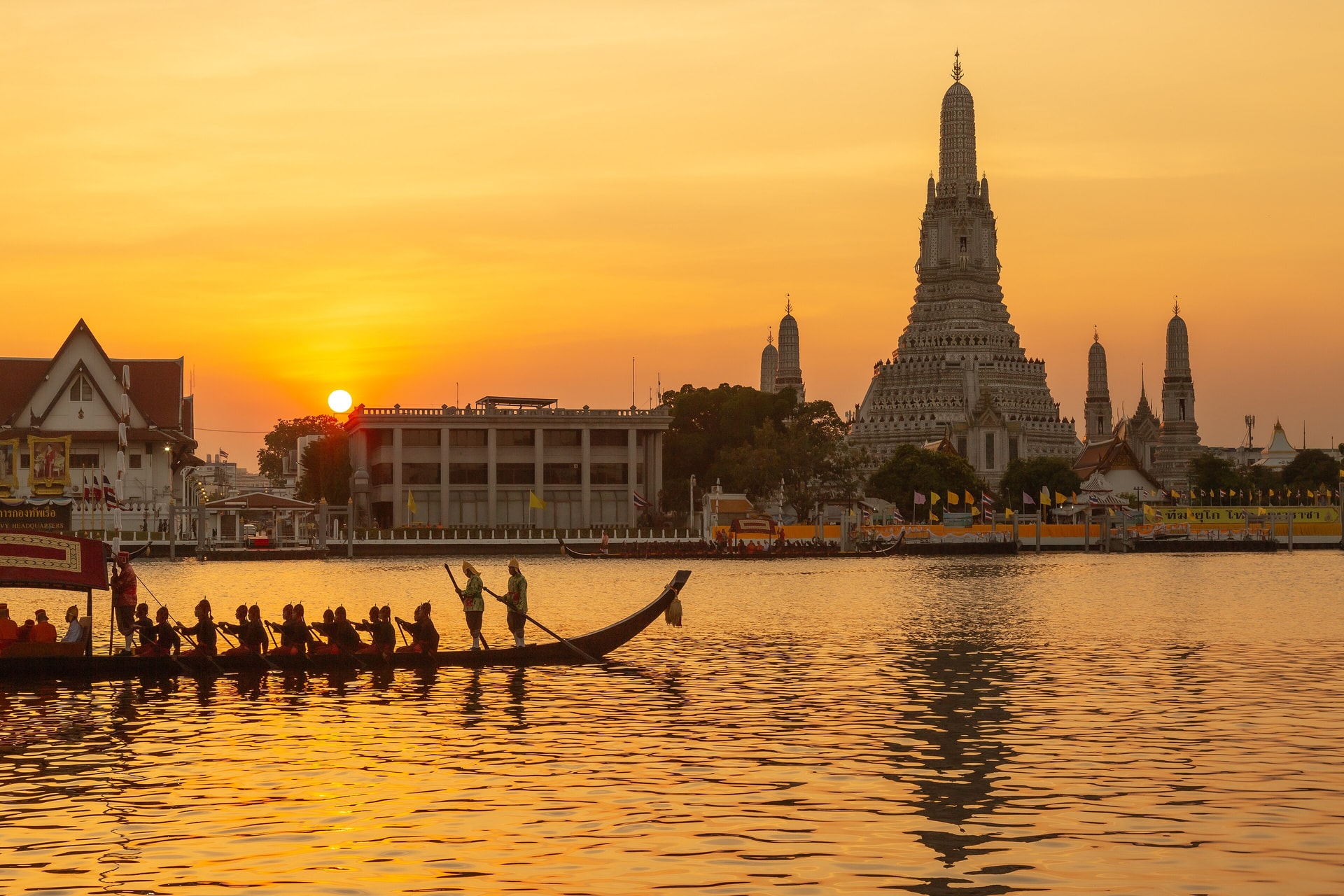
Begin early with the Grand Palace, Wat Phra Kaew, Wat Pho, and Wat Arun. These landmarks are close enough to combine, but check attraction access and opening times before travel \[TO VERIFY\]. A private longtail boat or canal outing adds a different view, while a floating market offers another way to experience the city.
Leave the afternoon flexible. Depending on your energy, choose street food, night markets, muay thai, a spa treatment, or a rooftop meal. We generally prefer one well-chosen food experience over several markets visited in haste.
What Can You Do in Chiang Mai in Two or Three Nights?
Use the Old City as your starting point for Wat Phra Singh, Wat Chedi Luang, and smaller temples. A morning visit to Doi Suthep works well before the heat builds, while a cooking class introduces northern flavours through a slower, hands-on experience.
A carefully selected elephant nature park can take half a day or more. Check the operator's welfare policy, transport, meal arrangements, and permitted interactions before booking. A private driver and guide help with rural touring, but protect at least one half-day for wellness, shopping, or unplanned time.
How Should the Beach Finale Be Planned?
Choose one coastal base for the final four nights. Phuket is the easiest hub for luxury resorts, yacht days, and island hopping to places such as the phi phi islands. Krabi suits travellers who prioritise limestone scenery, nature, and railay beach, while Koh Samui offers polished resorts and a slower romantic finish.
The practical choice depends on your travel month, flight schedule, and preferred pace. We would rather give you three generous beach days than over-schedule every beach day between coastal hotels.
Which Thailand Beach Is Right for Your Travel Dates?
The best beach destination in southern Thailand depends on the month, sea conditions, flight schedule, and the coastal experience you want. Thailand doesn't have one reliable beach season everywhere, so we check your exact travel dates before confirming domestic flights and hotels.

How Do Monsoon Patterns Change the Route?
Phuket and Krabi sit on the Andaman coast, where the southwest monsoon can bring more rain, stronger winds, and rougher seas. This can affect boat trips, snorkelling, and visits to the Phi Phi Islands, even when sunshine appears in the forecast.
Koh Samui is on the Gulf coast, which follows a different rainfall pattern. During the wetter period on the Andaman side, Samui can often offer the more comfortable beach option. The reverse can apply later in the year, when the Gulf experiences heavier rain and the Andaman coast becomes more attractive.
For example, we might replace a Phuket finish with four nights in Koh Samui for a mid-year itinerary. During the cooler season, Phuket or Krabi may provide the stronger combination of beach weather, boat access, and flight connections. Forecasts vary by year and location, so we assess conditions close to your dates rather than relying on a simple month-by-month rule.
The practical decision is not Andaman versus Gulf in theory. It is which coast gives you the better chance of enjoying the activities you have planned.
What Should Travellers Know About Northern Air Quality?
Late winter and early spring can bring smoke from agricultural burning and forest fires across northern Thailand. Chiang Mai and Chiang Rai may experience haze, reduced visibility, and poor air quality during this period. This can limit mountain visits and outdoor sightseeing.
If smoke is a concern, we may shorten the northern stay or replace it with additional time in Bangkok and on the coast. Families, older travellers, and anyone sensitive to smoke should check PM2.5 and AQI readings before committing to a longer Chiang Mai stay. Conditions change, so we keep the route flexible wherever possible.
How Should You Organise Transport, Hotels, and Entry Details?
A calm 10-day Thailand itinerary depends on decisions made before arrival. We generally recommend domestic flights between Bangkok, Chiang Mai, and the coast, private airport transfers where they add comfort, and pre-arranged guides for temples, rural visits, and experiences that benefit from local knowledge.
Why Do Three Hotel Bases Usually Work Best?
Three hotel bases give each part of the journey a clear purpose: Bangkok for city culture, Chiang Mai for northern food and temples, and the coast for rest. Handpicked boutique hotels or a luxury resort in convenient areas can also reduce travel time between key experiences.
Frequent hotel changes cost more than they appear to. You need to repack, check out, store or move luggage, and wait for the next room to become available. Add airport transfers and domestic flight formalities, and a short move can consume most of an afternoon.

We would rather protect a generous beach stay than add another destination for the sake of variety. The right room type, realistic check-in rhythm, and one flexible afternoon often make a greater difference than another scheduled excursion.
What Should a Private Itinerary Include Beyond Sightseeing?
Luxury comes from fit and thoughtful timing, not simply from a luxury resort or adding more activities. A private itinerary might include airport meet-and-greet support, guides timed around heat and crowds, dietary planning, spa appointments, child-friendly pacing, or a private boat to the phi phi islands, chosen for the right coastline and weather conditions.
Celebration details should feel personal rather than decorative. A birthday meal, anniversary arrangement, or family surprise needs to fit the traveller, the hotel, and the day's pace.
We also build contingency plans for heavy rain, rough seas, flight changes, and tired children. Entry checks belong in the same conversation: confirm passport validity, arrange travel insurance, and complete the Thailand Digital Arrival Card through the official portal within the permitted window before arrival. Visa-exempt rules can change, so check current Thai government or embassy guidance close to departure. Our bespoke Thailand travel planning keeps these practical details alongside the experiences themselves.
From the Ground
Ten days is enough for Bangkok, one inland base, and one coast—if the transfers are honest. We choose routes where domestic flights earn their keep and road days are short enough that you still arrive with appetite.
We place the quieter nights after the longest transfer. We steer people away from stacking Chiang Mai temples, a night train, and a same-day island hop; on the ground that reads as travel days eating the holiday.
When someone wants both Andaman and Gulf islands inside ten nights, we stop and redraw. Better one coast done well than two coasts remembered as airports.
Why Local Detail Matters
Bangkok can be understood through its major temples, but the city feels more vivid beside the river, in a neighbourhood restaurant, or along a quieter canal. Chiang Mai offers the same contrast. Its main temples matter, yet a cooking class, craft studio, or carefully chosen countryside visit may reveal more about northern life.
We use these smaller details to give each day a clear purpose without filling every hour. A private guide can adjust the pace to suit the heat, your interests, and your group’s energy. That flexibility matters when you’re travelling with children, celebrating an occasion, or balancing sightseeing with rest.
The strongest itineraries leave space for local life, not just a list of attractions.
Designing Around the Reason for Travel
Every journey begins with a reason. You may want time together, a restorative break, a celebration, or a first introduction to Thailand that feels comfortable rather than hurried.
That purpose shapes practical decisions:
- Couples may prefer slower mornings, private dining, and scenic boat outings.
- Families often benefit from shorter visits, flexible meals, and hotel locations that reduce transfers.
- Cultural travellers may prioritise specialist guides, heritage sites, and time with local craftspeople.
- Wellness-focused journeys need breathing space between treatments, excursions, and travel days.
We start by understanding that purpose before arranging hotels, guides, transport, and experiences. Each route is a conversation starter, not a fixed package. The result is a Thailand journey that feels considered from the ground up, with enough structure to feel easy and enough freedom to feel like your own.
How We'd Plan This
A private 10-day Thailand itinerary should begin with a conversation, not a standard route. Before choosing Bangkok, Chiang Mai, Phuket, Krabi, or Koh Samui, we ask what the journey needs to feel like and who will be travelling.
Start With the Reason for Travel
We begin by understanding:
- Why are you travelling: rest, romance, celebration, family time, discovery, or a new beginning?
- Who is coming, and what pace will suit everyone?
- Which hotel style, room arrangements, and level of service feel right?
- Do food interests, dietary requirements, or mobility needs affect the design?
- What are your exact travel dates?
These answers shape the route, hotel locations, guided experiences, and balance between sightseeing, transfers, and free time across your travel days. A honeymoon may need privacy and slower mornings, while a family journey may benefit from shorter outings, flexible meals, and fewer transfers.

Match the Route to the Dates
We then compare the northern and coastal options. Chiang Mai usually offers the broadest experience in a short visit, while Chiang Rai may suit travellers with a particular interest in its temples and slower pace.
For the coast, Phuket provides strong hotel choice and easy access to marine experiences. Krabi suits travellers drawn to limestone scenery, while Koh Samui may be the better fit when Gulf coast conditions and flight connections work more favourably.
Keeping to a small number of well-chosen bases can also support budget travel by reducing unnecessary transfers.
Seasonal checks are essential. We review weather, sea conditions, and Chiang Mai air quality for your dates, then confirm current domestic flight schedules between the relevant airports. Bangkok has two airports, BKK and DMK, so we also coordinate the correct departure point and private transfers.
As a Bangkok-based, TAT-licensed travel designer, we combine local relationships with on-the-ground support. Guided time gives the journey structure, while unplanned hours leave room for rest, spontaneity, and the details that make the itinerary feel like your own.
Frequently Asked Questions
A well-planned 10 day Thailand itinerary can feel generous when the route stays focused. These are the practical questions we hear most often before arranging Bangkok, Chiang Mai, and the coast.

Is Ten Days Enough for a First Trip to Thailand?
Ten days can provide a satisfying first visit when you limit the route to three bases and use domestic flights between regions. You can experience Bangkok, northern Thailand, and the coast without changing hotels every other night.
It isn't enough to explore every part of the country in depth. We would rather give you meaningful time in three places than add Ayutthaya, Chiang Rai, and several islands to an already busy schedule.
Should Chiang Mai or Chiang Rai Be Included?
For most first-time travellers, Chiang Mai is the stronger choice. It combines temples, northern Thai food, crafts, nature, wellness, and easier flight connections in a compact area.
It also suits travellers seeking a responsible elephant nature park experience, provided the operator follows strong animal welfare standards. Chiang Rai works as an optional short detour if seeing Wat Rong Khun, the White Temple, is a personal priority.
In a ten-day route, however, adding Chiang Rai usually means giving up time in Chiang Mai or on the coast.
Is Phuket or Krabi Better for a Luxury Thailand Itinerary?
Choose Phuket if you want a broader selection of luxury resorts, restaurants, yacht charters, and organised boating experiences. It can also be a convenient base for a marine excursion to the phi phi islands.
Krabi is better suited to a more nature-led stay, with limestone scenery and a quieter coastal setting. The season and hotel location matter as much as the destination name.
Phuket and Krabi are generally strongest for beach and boat activities between November and April, while sea conditions can be less predictable during the southwest monsoon.
Can This Itinerary Work for a Honeymoon or Family Trip?
Yes, the same route can work well for both, but the daily rhythm should change. We might add slower mornings, private experiences, connecting rooms or villas, celebration details, and fewer scheduled activities.
The best version depends on the ages, interests, energy levels, and reason for travelling. A honeymoon needs privacy and time together, while a family trip may need flexible meals, shorter outings, and easy transfers.
How Far Ahead Should a Ten-Day Thailand Trip Be Planned?
Plan early if you are travelling during a popular holiday period or need a particular luxury hotel, villa, specialist guide, or private boat. Availability depends on your dates and preferences, so we don't promise a fixed booking window without checking the actual trip.
Domestic flight schedules can also change, particularly on popular Bangkok, Chiang Mai, Phuket, and Krabi routes. Early planning gives us more choice, while flexible dates can create useful alternatives.
Conclusion
The most comfortable 10-day Thailand itinerary usually combines Bangkok, one northern base, and one beach destination. Three hotel bases give you enough variety without turning the journey into a sequence of flights, check-ins, and transfers.
Careful pacing matters more than collecting destinations. Seasonal beach selection, sensible domestic flights, private transfers, and thoughtful experiences create a richer trip than adding Chiang Rai or a second island, such as the Phi Phi Islands, simply to fit more into the map. The right route also depends on whether you are travelling for rest, romance, family connection, celebration, or discovery.
We design each journey around that purpose, then shape the hotels, experiences, and pace to match. Share what you want this trip to feel like, and we can begin shaping your Thailand journey around it.
Related reading: 7-day Thailand itinerary, how we plan a Thailand journey, and Thailand private guide.

Founder & Travel Designer at Jenesis Travel
Bangkok-based, Ann designs bespoke Thailand journeys around the reason for travel. With first-hand knowledge of the hotels, guides, and operators in her network, she brings personal insight and local relationships to every itinerary.
@anitasitagallery