Thailand Private Guide Booking Timeline for January
A practical guide to booking a Thailand private guide — timelines, regions, and how we plan private touring with room to adapt.
- Written by
- Ann Sitaporn
- Published
- August 3, 2026
January is one of the easiest months to enjoy Thailand outdoors, and one of the hardest months to arrange at short notice. The weather invites long temple mornings, beach days, market lunches and unhurried evenings. Availability does not always follow.
A guide in Thailand can turn a well-chosen route into a personal, well-paced trip. But the guide you want, in the language you need, with the right vehicle and local knowledge, may already be committed before your flights are booked.
For most January journeys, early planning is not about filling every hour. It is about protecting choice and keeping your travel plans flexible.
Key Takeaways
- January is a busy travel month in Thailand, so begin arranging a private guide 6 to 9 months ahead for Christmas, New Year and early January trips; most other January journeys should be planned at least 2 to 3 months ahead.
- Choose your route and confirm hotels before finalising touring days, then match the guide, vehicle and activities to your pace, interests, language needs and travel companions.
- Regional weather varies in January. Bangkok, Chiang Mai and the Andaman coast are generally well suited to outdoor touring, while Koh Samui and boat excursions may require more flexibility.
- Check whether you are booking a qualified guide or only a private driver, and request written details of inclusions, exclusions, deposits, cancellations and guide substitutions before paying.
- A useful enquiry should include dates, hotels, group details, mobility and dietary needs, preferred pace, languages, interests and experiences to avoid, allowing the guide to create a personal and adaptable itinerary.
When to Book a Private Guide for January
January falls within Thailand's busiest travel period. Demand for a Thailand private guide is strongest over Christmas and New Year, then remains high through much of the month.
A good guide is usually easier to secure than a sought-after suite or beachfront villa. That does not mean you should leave it late. The strongest guides are often booked by repeat clients, multi-day journeys and specialist requests months ahead.
We suggest treating guide availability as part of the wider trip design, not as a final extra once hotels are confirmed.

This is a practical booking window for January travel:
Christmas, New Year or early January departure
Recommended Guide Enquiry: 6 to 9 months ahead
Why It Matters: Hotels, villas, guides and private vehicles may all have limited availability.
A 7 to 14-night January trip with multiple destinations
Recommended Guide Enquiry: 3 to 5 months ahead
Why It Matters: There is time to match guides to each region and shape a sensible route.
A named guide, specialist interest or non-English language request
Recommended Guide Enquiry: At least 2 to 3 months ahead
Why It Matters: Language skills and subject knowledge narrow the available pool.
A single flexible day in Bangkok
Recommended Guide Enquiry: 6 to 8 weeks ahead
Why It Matters: Good guides can still be reserved during peak season, including for a floating market visit.
A last-minute half-day outing
Recommended Guide Enquiry: 2 to 4 weeks ahead, if possible
Why It Matters: You may find availability, but choice will be limited.
The late December to early January period has its own rules. If your stay includes 27 December to 5 January, use the earliest end of every booking window. A guide might be available, but the right combination of hotel, driver and guide may not be.
For a first or second visit, decide your broad route before selecting individual touring days. Bangkok, Chiang Mai and the southern coast each need a different pace. A well-designed January holiday rarely benefits from covering all three in one week.
January Weather Shapes the Right Guide Days
A Thailand weather by month chart is useful as a first filter. It shouldn't dictate every decision. January is commonly part of Thailand's dry season in Bangkok, the north and the Andaman coast, while Gulf islands can be less predictable.
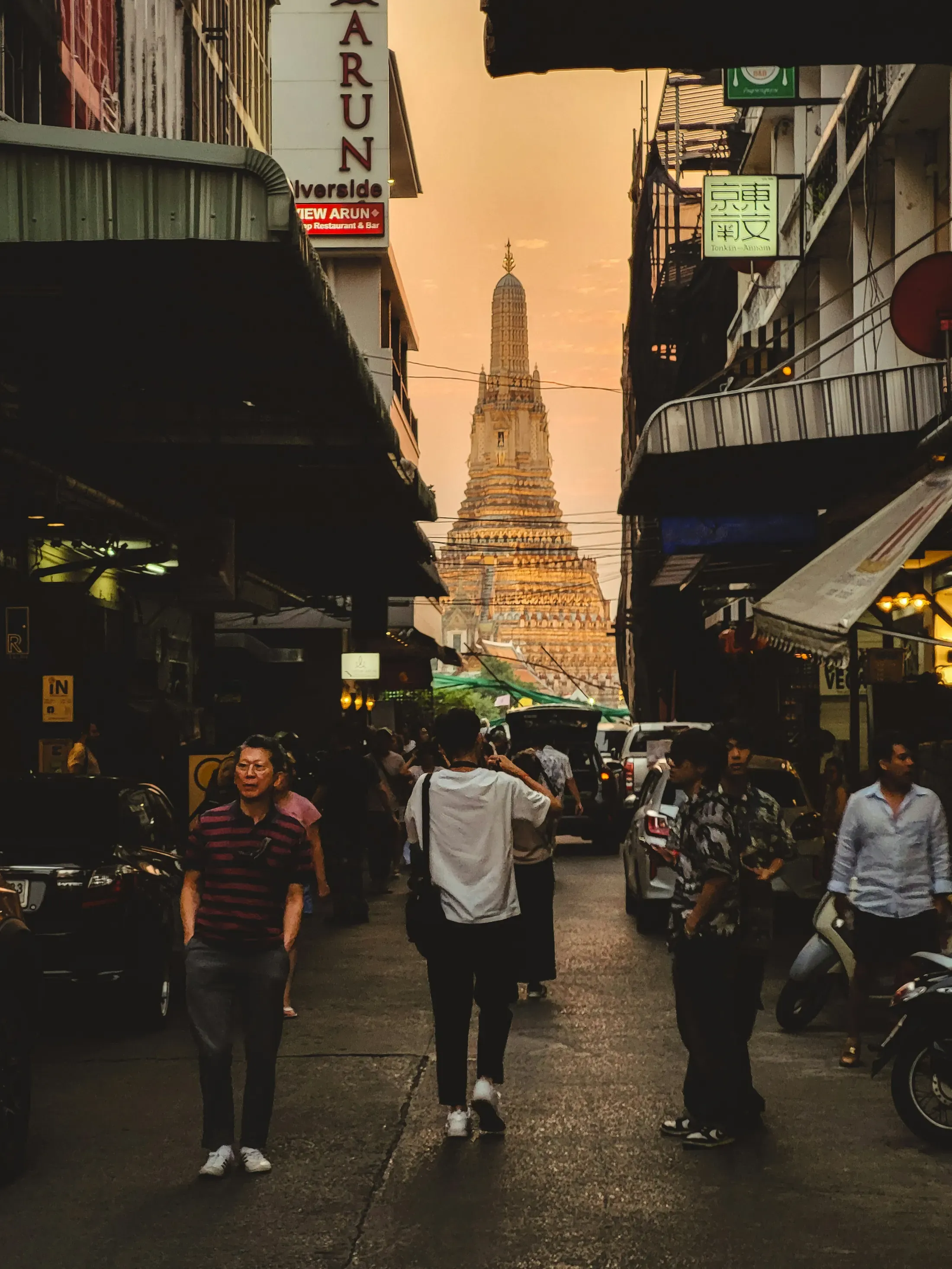
That regional difference matters when choosing which days deserve a guide. A Bangkok private tour may work best as an early start at the Grand Palace, followed by Wat Pho, a canal journey or lunch away from the busiest streets. In Chiang Mai, cooler mornings suit walks among historical temples, craft districts and countryside drives. A knowledgeable guide can explain the region's cultural heritage, adding value beyond transport. Phuket may call for a flexible land-based day if the sea is unsettled.
For a broad view of seasonal patterns, Thailand travel planning guidance can be a useful starting point. Local conditions still matter more than a national summary.
The Thailand monsoon season doesn't arrive everywhere at once, and it doesn't mean constant rain. Likewise, the dry season isn't a guarantee of blue skies every day. Koh Samui is the clearest January exception, as it can receive more rainfall than Bangkok, Chiang Mai or Phuket.
When people ask when to go to Thailand, they often want one answer. January is a strong choice for many itineraries, but it isn't automatically the best month to visit Thailand for every route. It suits travellers who value comfortable sightseeing conditions and are prepared to book ahead. A Thailand shoulder season trip can offer more flexibility and lower hotel rates, but may require more weather tolerance.
January's advantage is not perfect weather. It is the chance to spend more of the day outdoors, provided the route matches the region.
Reserve the Trip in the Right Order
The practical sequence is simple: decide why you are travelling, identify the right route, secure the hotels that shape the trip, then confirm guides and experiences around those stays.
That first point matters more than it sounds. A couple travelling for an anniversary may want private temple access, excellent dining and time by the sea. A family might need shorter touring days, reliable vehicles, interconnecting rooms and one thoughtfully selected elephant sanctuary. The same Bangkok and Phuket itinerary will not suit both groups.
At Jenesis Travel, we start with the reason behind the holiday. Rest, celebration, family time, food, culture or a change of scene all lead to different choices. The route becomes a customised itinerary shaped by those priorities, not a fixed package.
For shorter stays, a thoughtful plan is more useful than a long wish list. Our 7-day Thailand itinerary guide shows how Bangkok, the north and the coast can work together without spending every other day in transit.
Once your hotels are held or confirmed, share those details with the guide or travel designer. It affects the touring order, pickup time, local restaurant choices and how much can realistically fit into a day. In January, a plan that looks manageable on paper can become tiring. It may ignore city traffic, midday heat or an early flight the next morning.
A good guide should improve the day, not make it busier.
Private Guide or Tour Platform?
A private tour guide is not the same as a private driver. Both have a place in Thailand, but their roles are different.
A driver provides transport and local familiarity. For a straightforward day tour, beach day or hotel-to-restaurant schedule, that may be all you need. A guide adds context, planning and interpretation. They can explain cultural sites, adjust a visit when crowds build, help with local customs and bring the day together in ways a driver is not expected to do.
In Thailand, someone driving guests is not automatically qualified to guide them through cultural sites. If a guide is important to your experience, ask about their licence, language ability and actual guiding experience. A polished social media profile is not enough.
The limitation is that a directory cannot see the full shape of your trip. It cannot judge whether an itinerary is well designed or simply a tourist trap. It may miss a late Bangkok arrival, an unwise early departure or tired children after a temple morning in the ancient capital.
Independent guides can be excellent, particularly when they have established local relationships and a clear planning process. The risk is inconsistency. One guide may respond with a thoughtful route, transparent inclusions and practical alternatives. Another may simply offer a car and a list of places.
Look for evidence that they have understood your request:
- They ask about your hotel, interests, walking comfort, dietary needs and preferred pace.
- They explain what is included, what is excluded and what happens if rain or crowds affect the plan.
- Their reviews describe insight, flexibility and organisation, not only that they were friendly.
- They can confirm whether they are the guide who will be with you, rather than passing the day to someone else.
An English speaking guide is the most common request, but language support should never be assumed. French, German, Spanish, Mandarin and other language requests may be possible, though the booking window is usually longer. If a guide needs to explain complex cultural history or support a family with young children, fluency matters.
Understand the Price Before Paying a Deposit
Private guide pricing in Thailand varies by city, duration, language, vehicle type and group size. A guide-only rate may look attractive until fuel, tolls, parking, admissions, lunch and overtime are added.
Ask for a written breakdown before confirming anything.
Guide service
Often Included: Guiding time and basic route planning
Often Separate: Overtime, specialist guiding or translation support
Private vehicle
Often Included: Driver, vehicle, fuel and planned transfers
Often Separate: Some tolls, parking or late-night use
Entrance fees
Often Included: Occasionally pre-arranged for a private group
Often Separate: Temple, museum, national park or boat admissions
Food and drink
Often Included: Guide's meal may be covered by the operator
Often Separate: Guests' meals, alcohol and premium dining
Activities
Often Included: Pre-booked experience when stated in writing
Often Separate: Optional workshops, boats and seasonal activities
A lower daily guide fee can cost more than an inclusive arrangement once transport, admissions and waiting time are added.
Deposits and cancellation policies differ widely. An independent guide may request a deposit to reserve the date, then ask for the balance shortly before the tour or on the day. Established travel companies may have staged payments tied to hotels and confirmed services.
Neither arrangement is automatically better. What matters is receiving the terms in writing, including the deposit amount, payment deadline, currency, refund treatment and guide substitution policy.
Don't assume that "free cancellation" means the same thing across platforms and independent operators. In January, a guide who has turned away other work may fairly retain some payment after a late cancellation. Ask before money changes hands.
We are Bangkok-based and TAT-licensed (11/13440). For us, a complete quote is part of good planning. It should show what you are paying for and where there is room to make a different choice.
Booking Pace by Destination
Different regions place different pressure on January availability. A guide who is easy to book in Bangkok may not have an equivalent colleague free in Phuket or Chiang Mai.

Bangkok and the Ancient Capital
Bangkok has the largest pool of guides, drivers and private touring options. It is also where January crowds are most visible. Historic sites, river journeys, food walks and popular market areas need sensible timing.
A guide adds most value when there is a clear priority. You might focus on royal history, religious sites, architecture, food or family-friendly discovery rather than trying to visit every landmark. For Ayutthaya, choose a full day exploring the ancient capital or a lighter visit. The latter leaves space for a relaxed evening back in Bangkok.
A well-reviewed Bangkok guide booked six to eight weeks ahead is a realistic aim for most January dates. For New Year, private access requests or a guide in another language, begin earlier.
Phuket, Krabi and the Andaman Coast
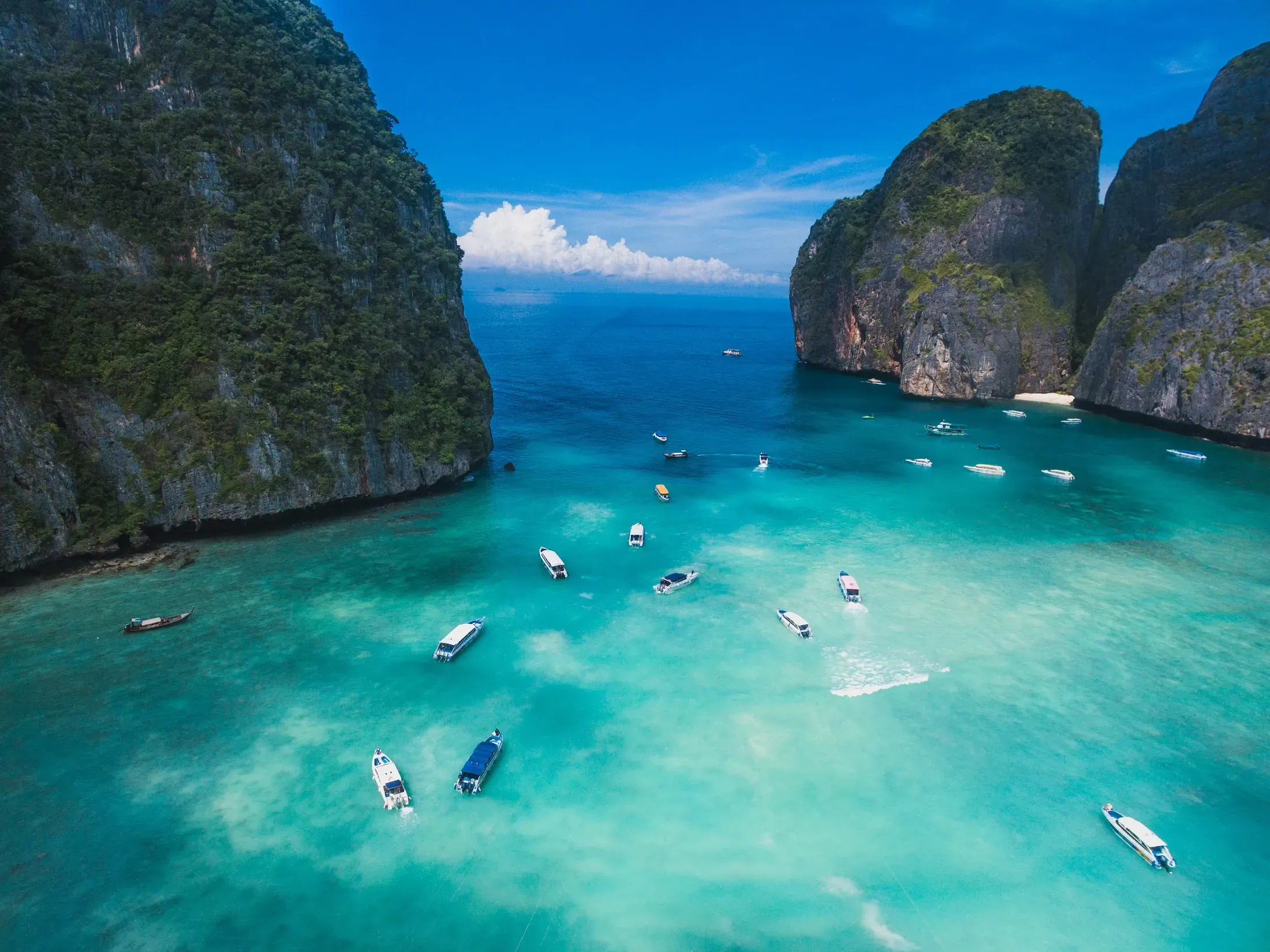
A Phuket private tour often combines beaches, viewpoints, food, local culture and time on the water. January demand is high because many travellers plan their beach stay around the drier conditions on the Andaman coast.
Boat charters, island guides and experienced family hosts can be more difficult to secure than a standard car-and-driver day. If sea time is important, reserve a private boat tour alongside the hotel, and keep the arrangement weather-flexible.

Listings across Thailand show how varied these experiences can be, from city exploration to island days. Use Thailand private tour options as a comparison point, then check what is genuinely private, who will host it and whether the pace suits your group.
Chiang Mai and the Gulf Islands
Chiang Mai rewards more considered guiding. A knowledgeable local tour guide can connect temples, food, craft traditions and rural communities without treating the city as a checklist. January is popular for cooler weather, so guides with deep cultural knowledge should be contacted early.
If an elephant sanctuary is part of your plan, ask direct animal welfare questions before booking. Find out whether riding, performances, chains or forced bathing are involved. A good guide or travel designer should be comfortable discussing why they recommend one operator over another.
Koh Samui needs a weather-aware approach in January. Keep boat excursions flexible where possible, and don’t assume conditions will mirror Phuket. A guide who understands the island can offer worthwhile inland, culinary and cultural alternatives if the sea is not inviting.
Send a Brief That Produces Better Suggestions
A vague request gets a vague itinerary. “We want to see Bangkok” is not enough for a guide to design a day that feels personal.
Share the details that change the answer: travel dates, hotel area, number of travellers, children’s ages, mobility needs, food preferences, languages and interests. Name experiences you would rather avoid, including an elephant sanctuary if welfare standards matter to you. Mention the pace you enjoy. Some guests like an early start and a full day. Others want one meaningful visit, a long lunch and time back at the hotel before dinner.
It is also useful to explain what you have already done in Thailand and which sightseeing plans you hope to prioritize. Returning visitors may prefer a neighbourhood food walk, a local restaurant, a private cooking session or a lesser-known museum over another major palace visit.
A strong response should include a proposed rhythm and a flexible itinerary, not only a string of attractions. It should explain why the order makes sense and where changes are possible. This is where a private guide earns their place.
The most successful January trips leave room for unexpected discoveries, such as a market you want to linger in, a restaurant recommendation that becomes lunch or a temple courtyard that deserves another ten minutes.
Frequently Asked Questions
When should I book a private guide for a January trip to Thailand?
For Christmas, New Year and early January travel, enquire 6 to 9 months ahead. For a typical multi-destination January journey, booking 3 to 5 months ahead gives you a better choice of guides, languages and vehicles.
Is January a good month for guided sightseeing in Thailand?
Yes, January is generally a comfortable month for outdoor sightseeing in Bangkok, Chiang Mai and the Andaman coast. Conditions can vary by region, particularly in Koh Samui, so keep sea-based activities flexible.
What is the difference between a private guide and a private driver?
A private driver mainly provides transport, while a guide adds cultural context, route planning, interpretation and on-the-day adjustments. Someone who drives guests is not automatically qualified to guide them through cultural sites, so check their licence and experience.
What should be included in a private guide quote?
Ask for a written breakdown covering guide time, vehicle, fuel, tolls, parking, admissions, meals, activities and overtime. Also confirm the deposit, payment deadline, cancellation terms and what happens if the named guide is replaced.
What information should I send when requesting a guide?
Share your dates, hotel area, group size, children’s ages, mobility and dietary needs, language preferences, interests and preferred pace. Mention experiences you want to prioritise or avoid so the guide can suggest a realistic, flexible itinerary.
Final Thoughts
January gives Thailand its most comfortable sightseeing weather, but a Thailand private guide can be harder to secure. The answer is not to plan every minute. It is to make the few decisions that protect the experience you want.
Book your hotels and arrange your guide early enough to choose people and places that suit your trip, not simply those still available. Then leave enough space for Thailand to feel lived in, rather than scheduled. That protects the quality and pace of your travel experience.

Founder & Travel Designer at Jenesis Travel
Bangkok-based, Ann designs bespoke Thailand journeys around the reason for travel. With first-hand knowledge of the hotels, guides, and operators in her network, she brings personal insight and local relationships to every itinerary.
@anitasitagallery