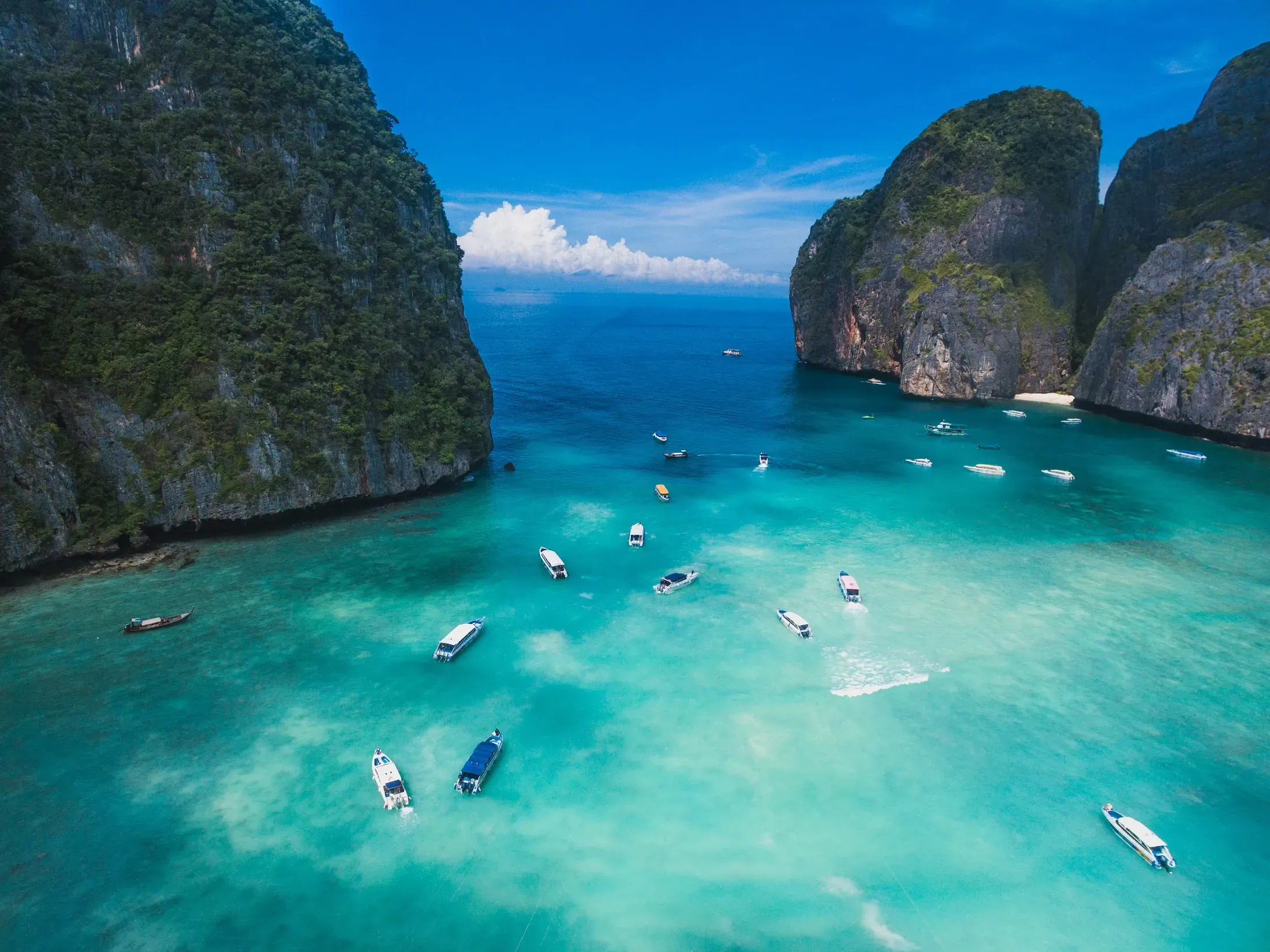
First Time Trip to Thailand: How to Plan 7 to 14 Nights
For your first visit to Thailand, we balance Bangkok, culture, and beach time with thoughtful pacing and private local support.
- Written by
- Ann Sitaporn
- Published
- August 1, 2026
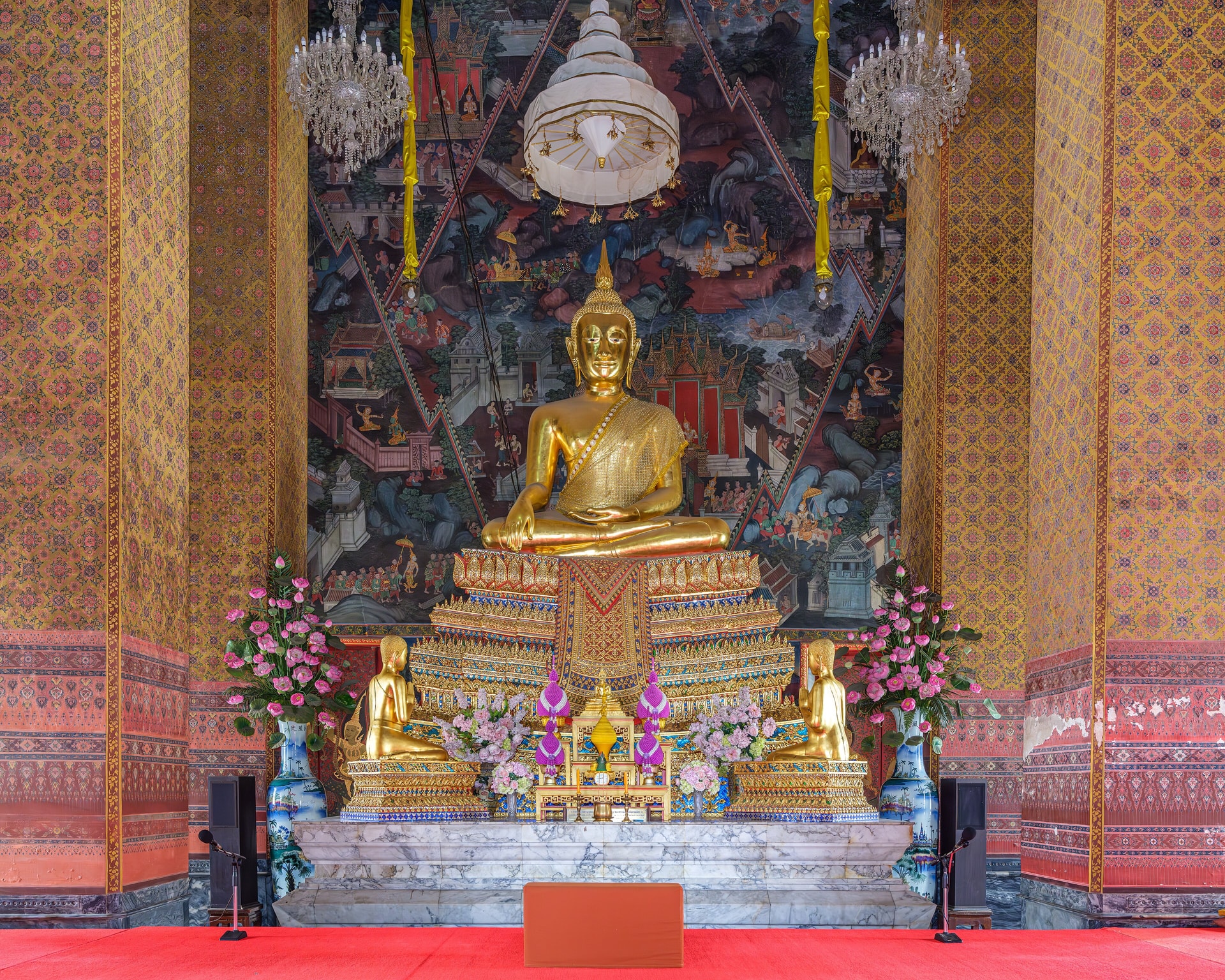
Thailand is an excellent choice for a first international trip, but the best experience comes from choosing a few contrasting places instead of trying to see the whole country. For a first visit to Thailand, a thoughtfully planned 7 to 14 nights can balance Bangkok's energy, cultural discovery, time by the sea, and the slower pace that makes the journey enjoyable.
At Jenesis Travel, we first understand why you're travelling, then shape a private journey around your interests, dates, pace, and purpose, whether that's a honeymoon, family holiday, celebration, or time to reconnect. In this guide, we'll look at destinations, timing, entry steps such as the Thailand Digital Arrival Card, transport, etiquette, safety, and practical itinerary design, including our advice on planning a 7-day Thailand itinerary.
Key Takeaways
- For an initial visit to Thailand, we recommend combining Bangkok, one northern destination, and one beach region instead of changing hotels every few nights.
- Seven nights suits two or three bases; 10 to 14 nights allows a slower pace, longer beach stays, and more meaningful local experiences.
- Choose the coast according to season: the Andaman side is generally drier from November to April, while the Gulf of Thailand often works better from January to September. Northern air quality can also be affected by burning season.
- Complete the free online arrival registration within three days of arrival, then save the confirmation for immigration.
- We shape each route around your purpose, whether that means rest, romance, family time, celebration, or discovery.
What Should You Know Before Planning a First-Time Trip to Thailand?
A first time trip to thailand can be an approachable choice for your first international journey. In one country, you can combine Bangkok's city life, historic temples, excellent food, tropical nature, beaches, wellness, and attentive hospitality. The experience can feel varied without becoming complicated, provided the route reflects your interests.
Before choosing hotels or domestic flights, we recommend deciding what you want the trip to feel like. Every route should support its purpose, whether that means rest, romance, family time, celebration, or discovery.
Choose Contrast, Not Constant Movement
Thailand is larger and more diverse than many first-time visitors expect. Trying to include Bangkok, Chiang Mai, several islands, and national parks in one week usually creates unnecessary travel days.
We generally recommend choosing two or three areas that feel different, then allowing enough time to settle into each one. Bangkok provides energy, design, temples, markets, and restaurants. Northern Thailand offers a slower cultural rhythm, while the southern coast brings time by the water and space to rest.
For seven nights, Bangkok plus one cultural or beach region is usually the most comfortable plan. With 10 to 14 nights, you can consider Bangkok, Chiang Mai, and one southern base without making every day feel scheduled. Our Thailand itinerary for first-time visitors offers a useful starting point for this approach.

Plan Around the Season and Purpose
Thailand's coastlines don't share exactly the same weather. The Andaman coast, including Phuket and Krabi, is generally drier between November and April. The Gulf of Thailand, including Koh Samui and Koh Tao, can be a better choice during parts of the mid-year season, although rain remains possible.
Northern air quality can also vary by province and year during the burning season, so check current conditions before booking time in the region. We first understand the reason for your trip, then shape the pace, hotels, experiences, and transport around it. A honeymoon may need privacy and unhurried beach time, while a family journey benefits from shorter transfers and flexible days. That purpose should guide the route before any reservations are made.
When Is the Best Time to Visit Thailand, and Which Places Suit a First Trip?
Thailand works well throughout the year, but the best route depends on regional weather, sea conditions, and your travel priorities. Choose the coast after checking the forecast, rather than treating the country as if it has one uniform season.
Choose Destinations That Match Your Travel Style
Bangkok is the strongest starting point for most first-time visitors, with temples, markets, dining, and the BTS Skytrain. You can also add experiences such as Chatuchak weekend market, night markets, a muay thai match, or a thai cooking class. Chiang Mai adds a slower cultural rhythm, while Phuket and Krabi provide different versions of a southern beach stay. The Gulf of Thailand offers another option for travellers seeking island scenery and a resort atmosphere.
Energetic, urban, cultural
Atmosphere: First-time visitors, couples, families
Best fit: Allow time for traffic and heat
Planning consideration: Chiang Mai
Bangkok: Relaxed, cultural, mountainous
Culture, wellness, families
Atmosphere: Check variable air quality, including burning season conditions
Best fit: Phuket
Planning consideration: Well-connected, varied, resort-focused
Bangkok: Beach comfort, families, luxury stays
Sea conditions affect island excursions
Atmosphere: Krabi
Best fit: Scenic, quieter, nature-led
Planning consideration: Couples, active travellers, short beach stays
Bangkok: Transfers and boat trips depend on weather
Bangkok usually deserves at least two nights, even on a seven-night journey. If city time matters, our Bangkok accommodation and dining costs guide can help you set realistic expectations before choosing your hotel.

Plan Around Regional Weather
Thailand has broad dry-season and monsoon-season patterns, but timing varies by region. The rainy season in Thailand affects the Andaman coast, including Phuket and Krabi, with heavier rain and rougher sea conditions in some periods. The Gulf of Thailand, including Koh Samui and Koh Tao, often experiences its heaviest rainfall later in the year.
The Thai Meteorological Department advises checking current regional forecasts and marine conditions close to departure. Air quality in Chiang Mai can also vary, and burning season conditions aren't consistent every year. The songkran water festival may increase travel demand and affect hotel availability around local celebrations. Confirm month-specific guidance against current TMD or Tourism Authority of Thailand information before booking. For a first visit, the right destination matters as much as the date.
How Can You Build a Comfortable Thailand Itinerary Without Wasting Time in Transit?
A comfortable Thailand itinerary depends less on the number of destinations and more on the order you visit them. We recommend limiting backtracking, grouping nearby areas, and treating airports, piers, road transfers, and hotel check-ins as part of the journey.
Choose One Logical Route
Domestic flights are useful for longer regional connections, especially between Bangkok, northern Thailand, and the southern coast. Private road transfers then connect hotels with airports and piers. Ferries make island travel possible without returning through Bangkok.
The practical issue is door-to-door time. A short flight can still involve hotel pickup, airport arrival, baggage collection, pier transfers, and a boat departure. Island hopping can also take much of a day, depending on the route and operator.

We normally recommend these structures:
- Seven nights: Bangkok and one beach region for a city-and-coast plan.
- Ten nights: Bangkok, Chiang Mai, and one beach base for a culture-and-beach journey.
- Fourteen nights: Bangkok, northern Thailand, and a longer Gulf of Thailand island stay when the season is suitable.
Build In Practical Buffers
Ferry schedules vary by pier, season, and operator, so we avoid tight connections. Hotel-to-airport coordination should be arranged in advance, with pickup points confirmed before departure.
We also avoid scheduling an international flight immediately after a remote island transfer. A ferry can be delayed by weather, and the journey still includes road travel after reaching the mainland.
For more thoughtful Thailand itinerary ideas, we shape the route around your purpose first. Then we organise transport, hotels, and experiences around a realistic pace.
What Entry, Etiquette, Health, and Safety Details Should First-Time Visitors Handle?
A first visit to Thailand feels easier when practical details are settled before departure. We recommend checking entry rules, arranging suitable insurance, and preparing for local customs before choosing experiences.
Complete Entry and Arrival Requirements
Your passport should normally have at least six months' validity beyond arrival. Check your nationality's current visa requirements with an official Thai source before departure. Thailand's reported 2026 change from a possible 60-day visa-exempt stay to 30 days remains subject to the effective date and passport category, so confirm this carefully.
The digital arrival card is separate from a visa. Foreign visitors should complete it within the current required pre-arrival window, generally three days before arrival, then save the confirmation. Use the official immigration website only, as legitimate online arrival forms shouldn't require payment.

Prepare for Health, Customs, and Safety
Arrange travel insurance with medical treatment and evacuation cover. Check medical advice for your route, carry essential medication, and choose bottled or filtered water where appropriate. For street food safety, choose busy stalls with high turnover and freshly cooked food.
Follow the local cultural etiquette at temples. Check the temple dress code, wear clothing that covers shoulders and knees, remove shoes where requested, and keep your feet away from people and sacred objects. Avoid touching anyone's head, and use a respectful tone when discussing religious sites and the monarchy.
Check prices in advance and use reputable transport to reduce the risk of tourist scams. Carry some local currency, including Thai baht, for small purchases, since smaller vendors may still prefer cash over credit cards. Use a reliable eSIM or sim card, and stay aware around roads, boats, and piers. Never assume scooter rental is covered by insurance, since exclusions often apply to vehicle use, licensing, and accidents. Our local guidance helps keep these details organised without interrupting the journey.
From the Ground
First trips go wrong when the map is greedy. We choose a simple shape: Bangkok to settle, one inland or cultural base if the nights allow, and one coast chosen for the season—not for a list of island names.
We place arrivals with recovery in mind. We steer first-timers away from overnight buses, stacked domestic flights, and overpacked days that leave no empty afternoon. Thailand rewards people who leave room in the day.
On the ground, the questions that matter are purpose and pace: celebration, family, or quiet luxury? Once that is clear, the regions almost choose themselves.
Allow Time to Arrive Properly
Thailand can feel warm, busy, and unfamiliar during the first few hours. A private airport transfer often gives you space to settle in, particularly after a long-haul flight or when travelling with children.
At Suvarnabhumi Airport, the Airport Rail Link operates from the terminal's B1 level between 5:30 am and midnight. Official metered taxis are available in the arrivals area at all hours. In central Bangkok, the BTS Skytrain can be practical when your hotel is near a station.
The right mix of public transportation, taxis, private transfers, and the Grab app depends on your arrival time, luggage, hotel location, and comfort with navigating a new city. Official taxis or a prearranged transfer may be simpler after a long flight.
Bangkok traffic also changes the practical length of a journey. We build in sensible margins rather than treating every transfer as a fixed estimate.
Let Local Support Handle the Friction
A well-designed itinerary leaves room for real life. Restaurant preferences may change, rain can affect a boat excursion, and traffic or evening plans may change the value of visiting nearby night markets.
The strongest itineraries are organised enough to feel easy, but flexible enough to feel personal.
Our role is to manage those decisions on the ground while keeping the purpose of your trip in view. You can focus on the food, conversations, landscapes, and small discoveries that make Thailand feel more than a list of stops.
How We'd Plan This
This Thailand journey should begin with the reason for travelling, not a list of destinations. We first ask what you want it to feel like: restful, romantic, celebratory, family-focused, cultural, or simply different from everyday life.
That answer shapes the route, pace, hotels, experiences, and level of support. Our sample itineraries are conversation starters, not fixed packages.
Start With Your Purpose
We consider your travel dates, previous travel experience, preferred pace, and the people travelling with you. A couple celebrating an anniversary may value privacy, thoughtful dining, and slower mornings. A family may need shorter transfers, flexible activities, and hotels with practical room layouts.
For a 7 to 14-night journey, we usually look for a comfortable balance:
- Bangkok provides an easy introduction, with time to recover after arrival.
- A private guide can bring temples, neighbourhoods, and local history to life without making the day feel like a checklist.
- Northern Thailand adds culture, food, craft, and a different pace.
- A responsible wildlife experience, such as an ethical elephant sanctuary, should prohibit riding, shows, and coercive handling.
- One carefully chosen southern coast creates space for swimming, rest, and time outdoors.

Shape the Details Around You
We use local knowledge to reduce unnecessary transfers and select the coast according to the season. Handpicked hotels, private guides, culinary experiences, and well-timed transport all support the purpose of the journey.
A food-focused trip might include our private culinary tours in Thailand or a thai cooking class. A culture-focused itinerary could include a muay thai match, when it suits your interests and schedule. A honeymoon may need more privacy and unplanned time.
We then remain available on the ground, adjusting plans when weather, energy levels, or personal preferences change. That is how a Thailand journey feels organised without becoming rigid.
Frequently Asked Questions
These are the practical questions we hear most often when planning a first visit to Thailand. The right answer depends on your nationality, travel dates, preferred pace, and chosen regions.
Is Thailand Easy to Visit for the First Time?
Thailand is accessible for international visitors, especially when airport transfers, hotels, domestic travel, and activities are arranged before departure. English is widely used in visitor areas, and private support can simplify unfamiliar logistics.
Local customs and regional distances still benefit from expert planning. We arrange the practical details so you can focus on the journey instead of coordinating every transfer yourself.
How Many Days Are Enough for a First Trip to Thailand?
Seven nights is enough for Bangkok and one beach region, provided you avoid too many excursions. Ten nights allows Bangkok, Chiang Mai, and one southern base at a comfortable pace.
With 14 nights, you can add longer stays and more flexible days without changing hotels constantly. Fewer destinations with longer stays usually create a more comfortable premium experience, with time for private guides, slow mornings, and unplanned discoveries.
Should First-Time Visitors Choose Phuket or Krabi?
Phuket is generally easier to access and offers a wider choice of resorts, restaurants, and excursions. Krabi suits travellers who prefer dramatic limestone scenery, a quieter setting, and nature-led boat trips.
Some travellers may prefer the Gulf of Thailand, including Samui or another Gulf island. The right coast depends on access, resort style, excursion plans, and sea conditions during your travel dates.
Do Visitors Need a Digital Arrival Card or a Visa?
It’s an immigration requirement, not a visa. All non-Thai visitors should submit it online, free of charge, within 72 hours before arrival through the official Thai Immigration portal.
Visa requirements depend on nationality, passport validity, and trip length. Check an official Thai government or embassy website before departure, particularly because 2026 visa changes may have a delayed effective date.
What Should Visitors Pack for Thailand?
Pack light clothing, comfortable shoes, sun protection, and rain protection. Include modest layers that cover shoulders and knees for temple visits, essential medication, and a secure way to carry your passport and documents.

Your packing list should reflect the selected regions and season. Northern evenings, island boat trips, city walking, and monsoon showers each require slightly different preparation.
Conclusion
A successful Thailand journey isn't about collecting destinations. It's about choosing the right rhythm for the time you have, then allowing each place to offer something different.
For seven nights, two well-chosen bases are usually enough. With 10 to 14 nights, Bangkok, a northern destination, and one southern coast can create a balanced journey without constant packing and transfers. The strongest routes combine contrast: city energy, cultural depth, and time beside the water.
Begin With the Right Rhythm
Check current visa requirements before departure. Most non-Thai nationals entering by air, land, or sea must complete an online arrival form through the official portal within 72 hours before arrival. Visa exemption rules depend on your passport and can change, so confirm current information with an official Thai embassy or immigration source.
Weather needs the same care. Regional conditions differ, particularly between the Andaman coast and Gulf of Thailand. The best time to visit depends on your chosen route, so check current Tourism Authority of Thailand guidance before confirming beach plans.
Respect for local customs also makes the journey feel easier. Dress appropriately at temples, allow extra time for transfers, and leave space for rest rather than filling every day with excursions. You can also use our Bangkok travel budget guide when planning the city portion of your stay.

At Jenesis Travel, we shape private Thailand journeys around the people travelling, the reason for the trip, and the kind of beginning you want to create.
Related reading: Thailand travel guide, best time to visit Thailand, and how we plan a Thailand journey.

Founder & Travel Designer at Jenesis Travel
Bangkok-based, Ann designs bespoke Thailand journeys around the reason for travel. With first-hand knowledge of the hotels, guides, and operators in her network, she brings personal insight and local relationships to every itinerary.
@anitasitagallery