Bangkok Itinerary: A Thoughtful 3-Day Plan for First Visits
Our Bangkok 3-day itinerary groups temples, river sights, Chinatown, and flexible downtime for a well-paced private city break.
- Written by
- Ann Sitaporn
- Published
- August 11, 2026
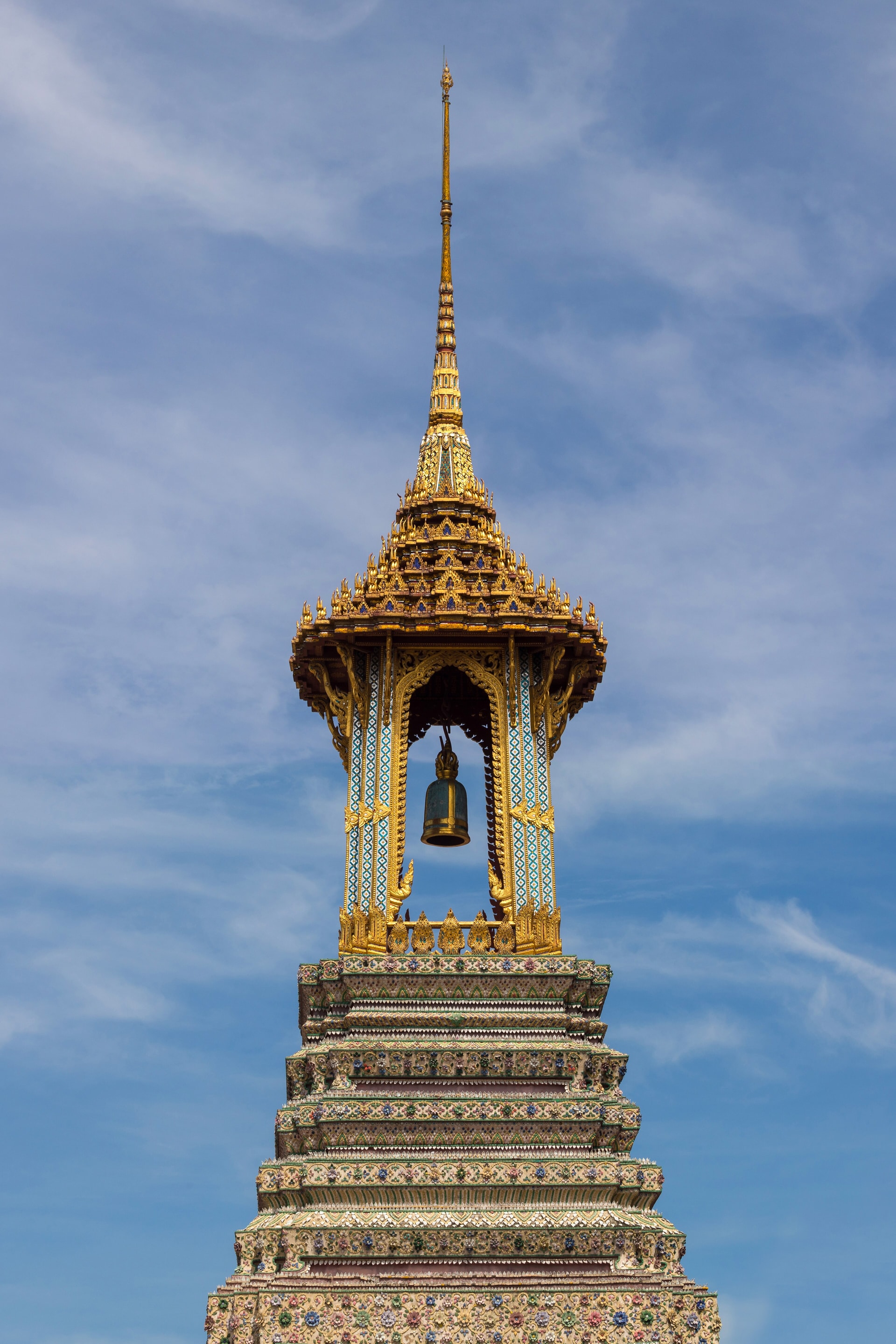
A well-paced Bangkok itinerary can cover the old city, the Grand Palace, Wat Pho, Chinatown, and one flexible day for culture, shopping, or relaxation. Three days can work well when sights are grouped by area and road traffic is planned around.
We've shaped this route around practical transport links along the Chao Phraya River, including piers serving Wat Arun, Tha Tien, Tha Chang, and Ratchawongse, as well as Sanam Chai MRT and Saphan Taksin BTS. Exact temple hours, admission fees, and boat timetables can change, so details requiring confirmation are marked \[TO VERIFY\].
This is an itinerary for affluent first or second-time visitors who prefer thoughtful pacing, private experiences, handpicked hotels, and reliable on-the-ground support. At Jenesis Travel, we begin with the purpose of your trip, then shape the route around it, much as we do in our 7-day Thailand itinerary guide. Start with the old city, where Bangkok's history and river connections come together.
Key Takeaways
- This bangkok itinerary groups old-city temples, river piers, Chinatown, and street food to reduce time lost in traffic.
- Start early at the Grand Palace, then continue to Wat Pho and Wat Arun across the river.
- Use Sanam Chai MRT, Saphan Taksin BTS, and boats on the Chao Phraya River instead of relying on road transfers.
- Keep the third day flexible for shopping, culture, wellness, or a private experience shaped around your interests.
- Check current temple hours, admission fees, dress requirements, boat timetables, and closure dates before travelling.
What Should a Bangkok 3-Day Itinerary Include?
A thoughtful Bangkok itinerary keeps the cultural core together: Rattanakosin, the chao phraya river, Wat Arun, and Chinatown. Begin early, then leave space for slower afternoons and a flexible final day.
How Can the First Day Cover the Grand Palace and Wat Pho Without Feeling Rushed?
Start at the Grand Palace in the morning, when the heat and crowds are generally more manageable. The information gathered for this itinerary lists opening hours as 8:30 AM to 4:30 PM, with a 500 THB foreign visitor ticket. Check the official source before publication and travel, as these details require current confirmation.
Allow time for security, respectful photography, and the palace complex itself. Covered shoulders and knees are essential, and shoes must be removed where requested. Wat Pho is close enough to reach by a short walk or local transfer. Reported hours are 8:00 AM to 6:30 PM, with foreign entry at 300 THB, although some buildings may close earlier.
Plan the Grand Palace and nearby sites as your main morning focus. Lunch near the river keeps the route practical. After two major sites, we recommend a hotel pool, spa treatment, or private cultural experience rather than another busy attraction. A private guide can add context to the architecture, Buddhist traditions, and royal history through our cultural and heritage journeys in Thailand.

What Is the Best Way to Spend the Second Day by the River and in Chinatown?
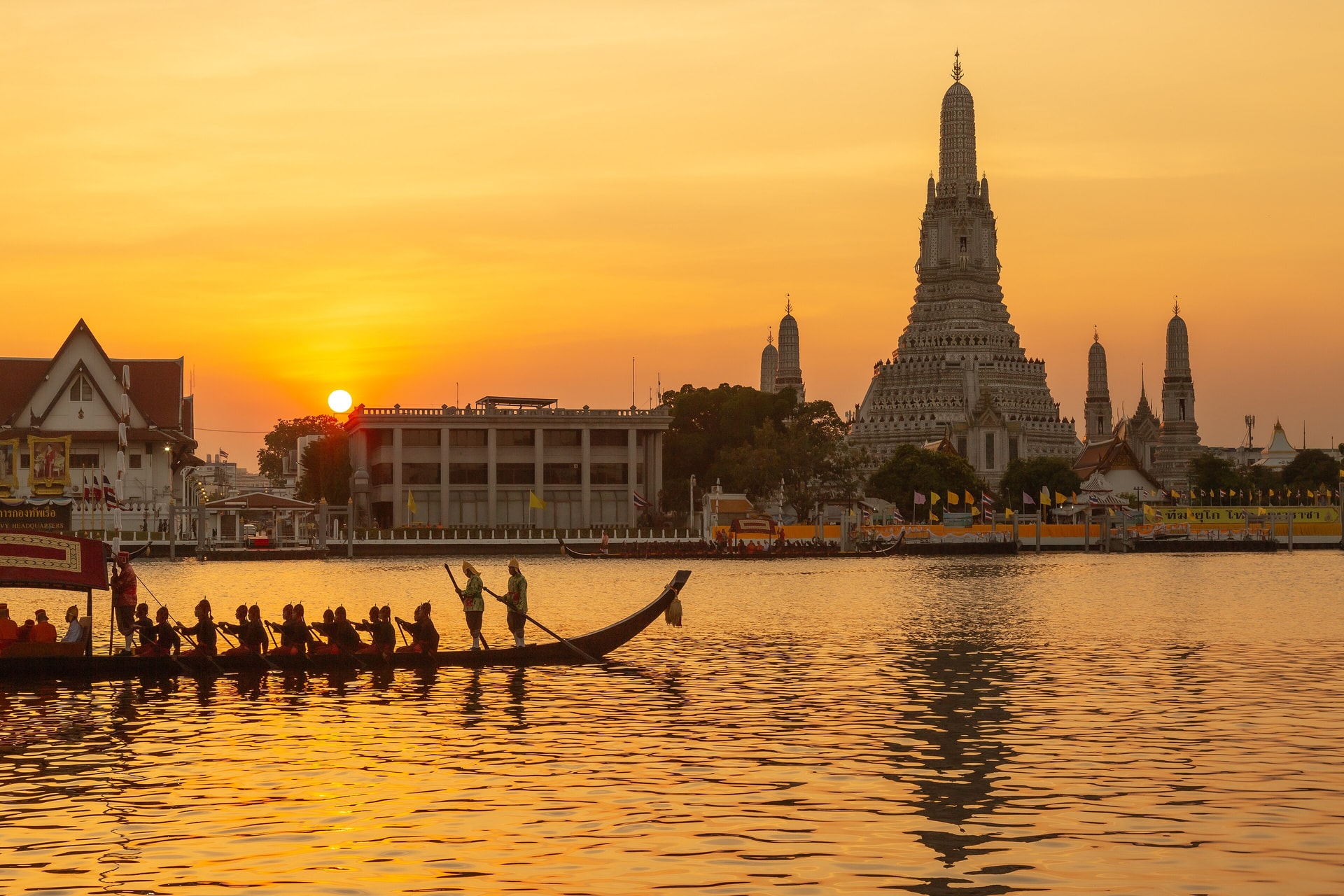
Visit Wat Arun in the morning, crossing from Tha Tien by the short ferry. It is a simple, atmospheric transfer across the chao phraya river. Wat Arun is reported as open daily from 8:00 AM to 6:00 PM, with last entry at 5:30 PM, and foreign entry at 200 THB. Check current details, as stairs or individual areas may close earlier.
Leave room for a riverside lunch and a long-tail boat ride only if it suits your group. In the evening, Chinatown Bangkok works best for food, markets, and street life. Try local street food, then look for mango sticky rice if it’s available. Treat this evening as a relaxed food experience, not another major temple stop.
How Should the Third Day Balance Shopping, Culture, and Downtime?
Keep Day 3 adjustable within your Bangkok itinerary. For shopping, choose Siam Square, the Chatuchak Weekend Market when your dates align, or ICONSIAM mall. These are alternatives, not stops to combine in one busy day.
For culture, consider the Jim Thompson House and its collection of Thai art and design. Wellness-focused travellers might prefer a Thai massage or quiet time in Lumpini Park. Both choices leave room for rest before the evening.
Evening options include a rooftop bar, a Muay Thai match, or a carefully chosen visit to Khao San Road. The right choice depends on your purpose: romance, family time, celebration, or discovery. Private guides, flexible drivers, and timed reservations can reduce friction without filling every hour.
How Can You Move Around Bangkok in Three Days?
A well-planned Bangkok itinerary uses different transport for different parts of the city. Rail is practical in central areas, boats suit riverside sightseeing, and private vehicles help when comfort, luggage, or timing matters.
Which Bangkok Transport Option Works Best for Each Part of the Route?
Choose transport according to the route rather than relying on one method for every journey.
Walking
Best use: Grand Palace, Wat Pho, nearby river piers
Strengths: Simple, flexible, and useful for short distances
Limits: Heat, uneven pavements, and limited shade
MRT
Best use: Reaching Sanam Chai and the old-city area
Strengths: Avoids road traffic and connects with central Bangkok
Limits: The final walk may still be warm
BTS Skytrain
Best use: Moving through modern central Bangkok
Strengths: Reliable for shopping, dining, and hotel districts
Limits: It doesn't reach the main temple complex
Chao Phraya river boats
Best use: Linking riverside piers and neighborhoods
Strengths: Scenic, practical, and often quicker than roads
Limits: Routes, fares, and services require \[TO VERIFY\]
Direct crossing, with a reported 5 THB fare and approximately 3-minute journey \[TO VERIFY\]
Basic facilities and weather exposure
Taxis or ride-hailing
Short transfers, evening dining, and areas without rail
Door-to-door convenience
Traffic can be slow in the central core
Road congestion can affect journey times
Airport arrivals, luggage, families, and planned evenings: Travellers arriving at Suvarnabhumi Airport can use the Airport Rail Link to connect with central rail services when luggage and timing allow. A private transfer is more convenient for affluent travellers, families, and late arrivals.
Comfortable, organised, and supported by a driver: Sanam Chai MRT is a useful rail anchor for the old-city temple area \[TO VERIFY\]. Saphan Taksin BTS connects with Sathorn Pier and Chao Phraya river services \[TO VERIFY\]. The Grab app can help with short transfers, but confirm pickup points and allow extra time for traffic.
Start with the palace and nearby temple earlier in the day. The Grand Palace is reported to welcome visitors from 8:30 AM, with entry details and the 3:30 PM cutoff \[TO VERIFY\]. Wat Pho is reported open from 8:00 AM to 6:30 PM \[TO VERIFY\].
Morning visits usually bring more manageable heat and queues. They also leave room for respectful photography, prayer activity, and changing weather. Wear clothing that covers shoulders and knees, and allow time to remove shoes where requested.
Cross to the riverside temple well before its reported 5:30 PM last entry \[TO VERIFY\]. Photography takes longer than expected, especially when the river light changes. Keep walkways clear and avoid treating active religious spaces as photo sets.
Check official visitor information close to travel. Opening hours, ceremonies, access rules, and ticket arrangements can change.
What Should You Book Before Following This Bangkok Itinerary?
Your hotel is one of the first decisions to make, not a separate detail to arrange afterward. The right base can shorten daily transfers, shape your evenings, and determine whether three days feel considered or unnecessarily busy.
Where Should You Stay for Easy Access to Bangkok's Old City and River?
Staying near the riverside or historic centre gives you the strongest sense of Bangkok. You are closer to the Grand Palace, Wat Pho, Wat Arun, river piers, and early morning temple visits. A base along the Chao Phraya River also makes riverside dining and a visit to iconsiam mall more convenient. The atmosphere is generally calmer and more distinctive, with low-rise streets, boutique properties, and heritage-style hotels. The trade-off is transport: rail connections are less direct, and evening journeys can take longer when traffic is heavy.
A hotel near a BTS interchange, such as Siam or Asok, is more practical for a first visit focused on shopping, restaurants, nightlife, or moving across the city. The bts skytrain and MRT make central areas easier to reach, including shopping around siam square. Larger hotels often provide consistent room quality, extensive facilities, and a wider choice of nearby dining. You lose some of the old city's character, but gain flexibility.
Central luxury districts around Silom, Chidlom, Ploenchit, or Sukhumvit suit travellers who prioritize service, wellness, fine dining, and dependable rooms. They can also simplify onward travel, depending on the exact location and airport. These areas are a good fit for polished evenings, whether that means a refined restaurant or a rooftop bar.
We usually match the hotel to the purpose of the trip:
- Temples and heritage: choose the old city or riverside.
- Shopping and nightlife: stay near Siam or Asok.
- Wellness, dining, and polished comfort: consider a central luxury district.
- Easy onward travel: prioritize a strong rail or private transfer connection.

The best hotel is the one that supports your route, pace, and priorities. Booking it with the itinerary in mind often saves more time than adding another attraction.
From the Ground
Three days in Bangkok works when the hotel sits close to what you will actually do. We choose riverside or rail-connected bases for first visits so heat and traffic do not eat half the day.
We place temple mornings early and leave afternoons lighter—spa, rooftop, or a single food neighbourhood—rather than a museum marathon. We steer people away from trying to “do” both banks, the markets, and a day trip to Ayutthaya inside seventy-two hours.
Private cars earn their keep on multi-stop days with luggage or children. For a couple happy on BTS with light plans, we keep the itinerary walkable and save the driver for the airport and one dense sightseeing block.
Where Walking Works Best in Bangkok
The old city is the most rewarding area for short walks. The Grand Palace, Wat Pho, Tha Tien, and nearby riverside streets can be combined without constant road transfers. Golden Mount works as an optional detour if you want a little more elevation and city perspective.
Chinatown Bangkok is best explored on foot in the early evening, when street food vendors open and the streets become more active. Khao San Road offers a busier, more energetic evening atmosphere, so choose it intentionally rather than treating it as a walking extension of the old city.
Talat Noi offers a compact heritage and street-art walk, while Lumpini Park is better treated as a separate central green-space option. These areas each suit a different pace and type of exploration.
Bangkok's pedestrian conditions are uneven. Some pavements are broad and recently improved, while others are narrow, obstructed, or difficult to use with luggage and formal shoes. The Bangkok Metropolitan Administration reported that 87 footpath routes, covering 774 kilometres, had been upgraded by April 2025. That progress doesn't mean the city is uniformly walkable.

Canal-side routes offer another perspective. Khlong Ong Ang, Khlong Bang Lamphu, and sections of Khlong Saen Saep are being improved with paths, lighting, bridges, and access ramps. These corridors can be a pleasant choice when the route suits your interests, although construction and access conditions require checking close to travel.
How to Stay Comfortable While Exploring
Heat changes the practical value of a walking route. We schedule longer outdoor sections early, add shaded stops, and avoid treating the middle of the day as a test of endurance. A comfortable lunch, hotel pool, or spa appointment can be more valuable than adding another attraction.
Wear light clothing that covers the shoulders and knees when temples are included. Comfortable sandals or walking shoes are essential, and a small day bag is easier than carrying everything you brought from the hotel.
Bangkok is walkable in pockets, not as one continuous pedestrian city.
For private journeys, we often plan walking as one part of the day rather than the whole day. That balance lets you notice more without arriving at the next temple tired, overheated, or rushed.
How a Private Bangkok Itinerary Takes Shape
We don't begin with a list of attractions. We begin by asking why you're coming to Thailand. Rest, romance, family time, celebration, and cultural discovery all need different versions of the same three-day route.
That purpose shapes the pace, hotel area, guide style, meals, river movement, and free time. The sample bangkok itinerary is a starting point, not a fixed package.
How Does the Purpose of the Trip Shape the Route?
For a honeymoon, we might choose a riverside base, an unhurried temple morning, a private long-tail boat experience on the chao phraya river, and carefully timed dinners. The emphasis is on privacy, atmosphere, and space to enjoy the city together.
A family trip needs shorter sightseeing blocks, easier transfers, child-friendly meals, and a pool or relaxed afternoon in the plan. We may keep the most important historic sites, but avoid adding another major stop when the heat is strongest.
Cultural travellers usually benefit from a private guide who can explain royal history, Buddhist traditions, architecture, and daily life. We might add another historic site or a neighborhood walk, provided the route still feels comfortable.
For a birthday, anniversary, or other celebration, the itinerary can give greater weight to a special meal, a private river moment, or a muay thai match. The details depend on your interests and the occasion.

A fourth day creates room for a replacement or longer-stay option. You could choose a floating market excursion combining Damnoen Saduak with the Maeklong Railway Market, or spend the day at Ayutthaya Historical Park. These experiences aren't additions to an already paced three-day route.
What Does Tailored Planning Add?
As a Bangkok-based, TAT-licensed travel designer, we coordinate the practical details before you arrive and provide attentive support on the ground. We consider whether a riverside or well-connected district suits your plans, then balance private transfers with boats, walking, and time to pause.
Meals are chosen around the day rather than added as an afterthought. Guide involvement can range from a full cultural day to a short introduction followed by independent time.
The three-day Bangkok section can also lead naturally into beaches, northern Thailand, wellness, or a longer stay. That is where a thoughtful itinerary becomes personal: each part supports the next, without making the whole journey feel over-scheduled.
Frequently Asked Questions
A three-day Bangkok itinerary works best when it leaves room for real life: heat, traffic, meals, and the occasional change of plan. These are the questions we hear most often when shaping a first visit.
Is Three Days Enough Time for Bangkok?
Three days are enough for a strong first visit focused on Bangkok's old city, riverside sights, Chinatown, and one flexible theme. You can see the Grand Palace, Wat Pho, Wat Arun, and experience the city's food, street food, and neighborhoods without trying to cover every district.
The practical choice is to visit fewer areas properly. Leave time for lunch, rest, hotel facilities, and traffic. An itinerary that looks efficient on a map can feel tiring on the ground.
What Is the Best Month for a Bangkok City Break?
The cooler, generally drier months at the start and end of the year often provide the most comfortable conditions for sightseeing. Bangkok stays hot throughout the year, while March and April can bring greater heat. May through November usually carries more rain and humidity.
Weather is not the only consideration. Songkran in April, Buddhist holidays, and the year-end period can affect hotel availability, guide schedules, road traffic, and prices. Check current conditions and Thailand's holiday calendar against your exact travel dates.

Can Bangkok Temples Be Visited With Children or Older Travellers?
Yes, provided the day is paced carefully. Temple visits can involve stairs, uneven surfaces, long walks, heat, and limited shade. Shorter sightseeing blocks and regular breaks make a noticeable difference.
A private guide can keep explanations engaging for children and adjust the route as the day develops. Flexible transport also helps, whether that means a boat, short private transfer, or returning to the hotel before the afternoon heat.
Should You Hire a Private Guide for a Short Bangkok Trip?
A guide adds the most value when time is limited. They can explain cultural details, sequence nearby sights efficiently, support local etiquette, and help families stay engaged without turning every stop into a formal lesson.
Independent travellers can follow this Bangkok itinerary, but they may spend more time navigating, waiting for transportation, and working out what requires advance planning. The decision depends on whether you prefer maximum independence or more context and support.
How Much Should a Three-Day Bangkok Trip Cost?
There is no reliable single total for a three-day Bangkok trip. The main cost drivers are your hotel level, private guiding, transfers, dining style, booked experiences, travel dates, and group size.
A riverside luxury hotel, private vehicle, specialist guide, and fine dining will create a different quote from a centrally located hotel with independent evenings. Confirm current prices for each journey, particularly around Songkran and New Year, when demand can rise.
Conclusion
The best Bangkok itinerary isn't the one with the most attractions. It groups experiences well, leaves time to rest, and lets you enjoy the city without rushing between stops.
Begin in the old city with the grand palace and wat pho. Spend the second day at wat arun and along the chao phraya river, then keep the third day flexible for shopping, culture, wellness, or personal interests. Check current temple hours, admission details, dress requirements, boat services, and closure dates before travelling.
At Jenesis Travel, we listen to the purpose behind your wider Thailand journey before shaping the route, pace, hotels, and experiences. Bangkok can be the beginning of a longer story, planned around what you want this journey to mean.
Related reading: Thai food experiences in Bangkok, and culinary journeys.

Founder & Travel Designer at Jenesis Travel
Bangkok-based, Ann designs bespoke Thailand journeys around the reason for travel. With first-hand knowledge of the hotels, guides, and operators in her network, she brings personal insight and local relationships to every itinerary.
@anitasitagallery